What Your Chicago Chimney Stack is Telling You: Early Warning Signs of Exterior Deterioration
You glance up at your Chicago home, a sense of pride swelling. But then your eyes drift to the chimney, a stoic sentinel against the city skyline. A flicker of concern ignites as you notice a subtle discoloration, a tiny crack you hadn’t seen before. That familiar twinge of homeowner anxiety sets in: Is this normal? Is it serious? For many homeowners, a chimney’s slow decay often goes unnoticed until minor issues become major headaches. Your chimney stack isn’t just an aesthetic feature; it’s a critical component of your home’s safety and structural integrity, especially in a city like Chicago where our weather can be relentless.
At Duct Duct Ccleaning LLC, we understand these frustrations. This guide is designed to empower you with the knowledge to read the early warning signs your chimney is broadcasting, enabling proactive action before costly damage takes hold.
Visual Clues: Spotting the Obvious Red Flags
Don’t wait for your chimney to start shedding bricks before taking notice. Early detection is key. Here’s what to look for:
Spalling Bricks and Mortar Deterioration
Perhaps the most common sign of trouble is spalling—where brick faces begin to peel, chip, or flake off. This is often caused by moisture penetration freezing and expanding within the brick, pushing off its surface. Simultaneously, look for crumbling or sandy mortar joints. Weak mortar means the structural integrity of your chimney is compromised, making it susceptible to further decay and even collapse, particularly after years of exposure to Chicago’s harsh winters and humid summers. A chimney built in a historic neighborhood like Lincoln Park or Lakeview might be decades old, and its original mortar has a finite lifespan, often around 25-50 years depending on material and exposure.
Cracks and Gaps
Visible cracks in bricks or mortar are immediate red flags. Hairline cracks might seem insignificant, but they are entry points for water. Larger, more obvious cracks, especially those running horizontally or diagonally through multiple bricks, can indicate significant structural movement or settling issues. These shouldn’t be ignored. Gaps where mortar should be present also invite water intrusion, leading to accelerated damage inside the chimney flue and potentially affecting adjacent masonry.
Efflorescence: White Stains of Warning
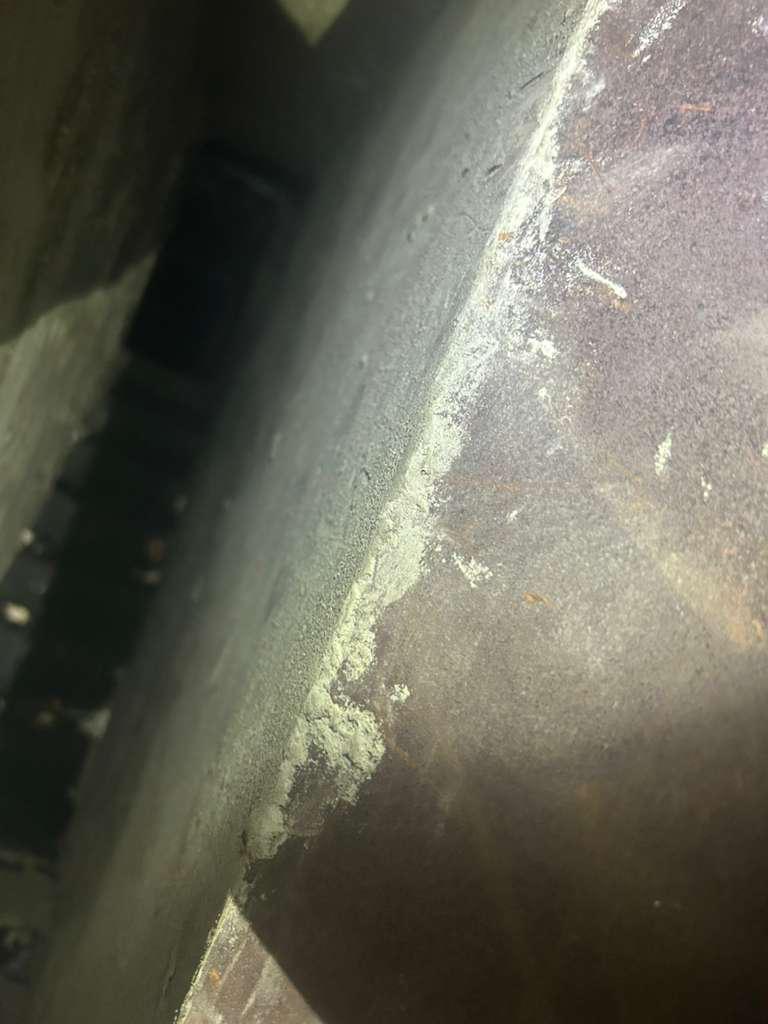
Noticeable white, powdery deposits on the exterior of your chimney masonry? This phenomenon, called efflorescence, is caused by water dissolving salts within the brick or mortar and depositing them on the surface as the water evaporates. It’s a clear indicator of excessive moisture presence within the masonry. While not directly damaging, it signals that water is regularly penetrating your chimney, which will inevitably lead to spalling, freeze-thaw damage, and an increased risk of internal deterioration to your flue liner. This is a common issue for chimneys battling the moist conditions near Lake Michigan.
Missing or Damaged Flashing
The flashing is the material, usually metal, that creates a watertight seal where your chimney meets your roof. Over time, due to thermal expansion, storm damage, or improper installation, flashing can rust, tear, or pull away from the chimney. Damaged flashing allows water to seep directly into your attic and walls, leading to rotten framing, ceiling stains, and mold growth. While not directly a chimney masonry issue, compromised flashing severely undermines the chimney’s defense against water intrusion and affects the longevity of the entire structure.
Beyond the Surface: What Else to Look For
Some warning signs require a slightly closer look or a professional eye.
Masonry Cracks at the Roofline
Pay particular attention to the area where the chimney emerges from the roofline. This section takes a significant beating from weather and is prone to movement. Cracks here, especially if they widen over time, can signal the chimney is leaning or shifting, a severe structural problem requiring immediate professional assessment. We often see these issues in older Chicago two-flats and bungalows where chimneys have stood for a century or more.
Chimney Crown Damage
The chimney crown is the concrete slab at the very top of your chimney, designed to protect the chimney’s masonry and flue liner from the elements. Cracks in the crown, even small ones, allow water to penetrate down into the chimney structure. A deteriorated crown also allows rain and snow directly into your flue, accelerating the breakdown of your flue liner and increasing the risk of Duct Duct Ccleaning LLC in Chicago seeing blockages or even internal structural failure. Statistics show neglected chimney crowns are a leading cause of chimney deterioration. Similarly, in other major urban centers, homeowners face comparable challenges, which is why services from Duct Duct Ccleaning LLC in Detroit and Duct Duct Ccleaning LLC in Pittsburgh are also vital for home longevity.
The Causes: Why Chicago Chimneys Suffer
Understanding the culprits behind chimney deterioration helps you appreciate the need for regular maintenance:
Freeze-Thaw Cycles
Chicago’s notorious winters are particularly brutal on masonry. Water absorbed into bricks and mortar freezes, expands by about 9%, and then thaws. This repeated cycle exerts immense pressure on the material, gradually cracking and crumbling it. This is the primary driver of spalling and mortar joint failure.
Age and Neglect
It’s simple: materials degrade over time. Exposure to sun, wind, rain, and snow slowly erodes even the sturdiest brick and mortar. Neglecting annual basement air duct cleaning or dryer vent cleaning might seem unrelated, but a holistic approach to home maintenance, including your chimney, is essential. Skipping professional chimney inspections means small issues are left to fester and grow into major, expensive repairs.
Water Intrusion
Whether from compromised flashing, a cracked crown, or porous masonry, water is the number one enemy of any chimney. It causes rust in internal components, promotes mold and mildew growth, and initiates the damaging freeze-thaw cycle. Proper sealing and prompt repairs are paramount.
Don’t Wait: The Risks of Neglecting Your Chimney
Ignoring these warning signs isn’t just about aesthetics; it’s about safety. A deteriorating chimney poses several significant hazards: structural collapse, potential fire hazards from compromised flues (with over 25,000 residential chimney fires reported annually in the US), and carbon monoxide leaks into your home. A structurally unsound chimney can also affect the overall integrity of your roofline and attic space, leading to damage to air duct insulation or even the HVAC system if compromised. Protecting your home involves understanding the value of regular maintenance for all systems.
Your Role in Proactive Chimney Care
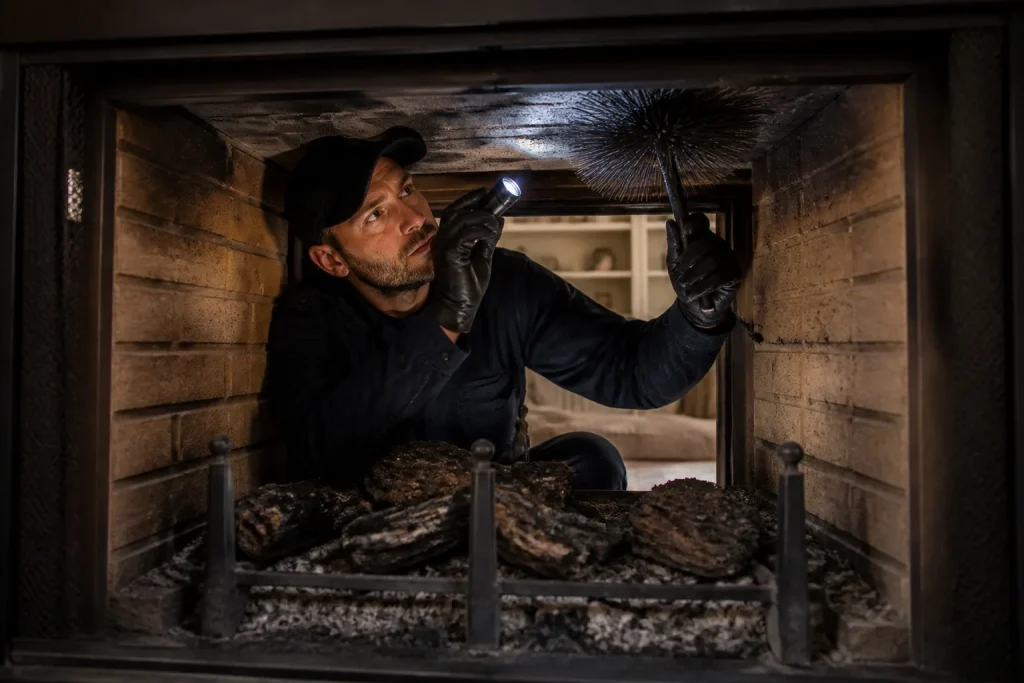
As a homeowner, your first line of defense is awareness and regular observation. Perform visual checks of your chimney’s exterior periodically, especially after severe weather. However, for a truly comprehensive assessment, an annual professional inspection by certified experts like Duct Duct Ccleaning LLC is irreplaceable. We have the training and equipment to identify hidden dangers, assess flue health, and recommend necessary repairs before they become emergencies. Protecting your home with optimal care is similar to ensuring efficient performance in other areas, such as optimizing campaigns for duct sealing for media buying—it’s all about effective strategy.
FAQ: Addressing Your Chimney Deterioration Concerns
Q: How often should I have my chimney inspected in Cherry Hill, NJ?
A: The Chimney Safety Institute of America (CSIA) recommends annual inspections for all chimneys, regardless of usage, to catch issues early and prevent safety hazards.
Q: Can I repair minor chimney cracks myself?
A: While superficial cracks might seem DIY-friendly, addressing them often requires specialized mortar and techniques. More importantly, visible cracks usually indicate deeper structural issues. It’s always best to consult a professional to accurately diagnose the problem and ensure a safe, lasting repair.
Q: What is tuckpointing?
A: Tuckpointing is the process of removing deteriorated mortar from brick joints and replacing it with fresh mortar. This restores the structural integrity and weather resistance of the chimney, significantly extending its lifespan.
Q: How long do chimney repairs typically take?
A: The duration varies greatly depending on the extent of the damage. Minor repairs like crown sealing or small tuckpointing jobs might take a day, while a full chimney rebuild could take several days or even a week. A professional assessment will provide an accurate timeline.
Q: Does my homeowners insurance cover chimney repairs?
A: It depends on your policy and the cause of damage. Sudden damage from storms or accidents might be covered, but deterioration due to age or lack of maintenance is typically not. Review your policy or contact your insurance provider for specifics.