Protecting Your Boston Chimney: The Vital Role of a Properly Maintained Chimney Crown
The story of the chimney crown, often an overlooked hero, stretches back centuries, evolving alongside the very architecture it protects. From rudimentary stone slabs to meticulously designed concrete barriers, its purpose has remained steadfast: to shield the delicate internal structure of your chimney from the relentless onslaught of weather. It’s a concept rooted in foresight, recognizing that the chimney, as the highest point of a home, bears the brunt of environmental challenges. For homeowners, particularly those in historic, weather-prone locales like Boston, understanding this vital component isn’t just about maintenance; it’s about preserving a piece of their home’s soul.
The Unseen Guardian: What is a Chimney Crown?
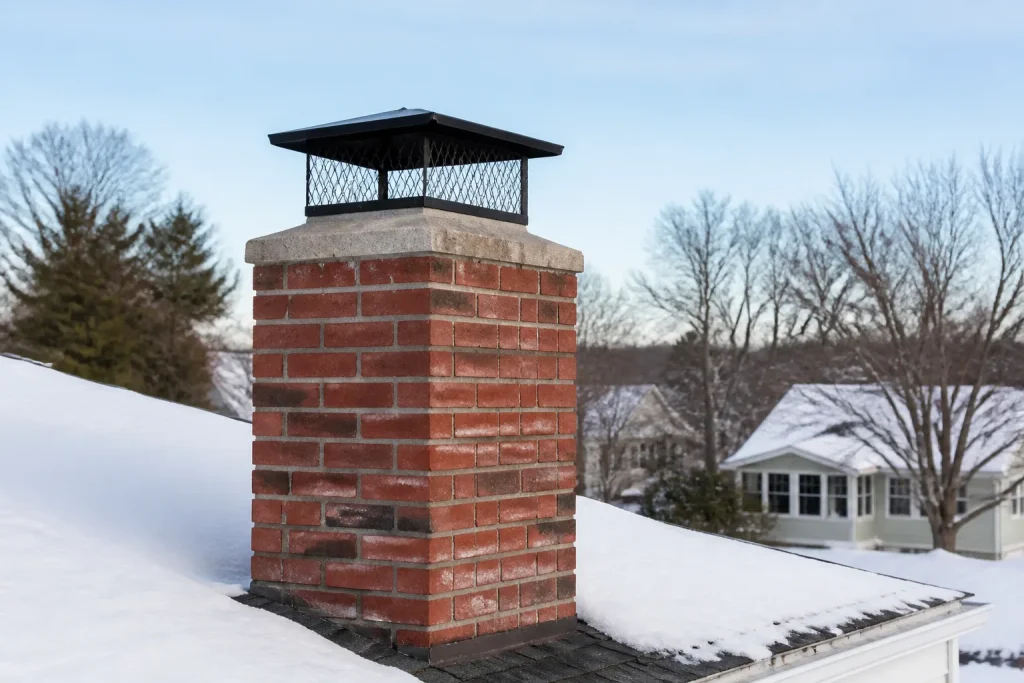
Imagine your chimney as a sturdy, vertical fortress. At its very top, capping the masonry stack and extending slightly beyond, rests the chimney crown. This is not to be confused with a chimney cap (which covers the flue opening itself to keep out debris and animals). The crown is typically a slab of concrete, stone, or metal, precisely sloped to direct rainwater away from the flue opening and the vulnerable masonry below. Its historical roots are simple – an early recognition that exposed bricks and mortar would quickly deteriorate under rain, snow, and ice. Over time, techniques and materials improved, but the fundamental mission of the crown has never changed: to provide a critical first line of defense against water intrusion, a leading cause of chimney damage.
A Case Study in Wear and Tear: Boston’s Climate vs. the Crown
Consider the charming brownstones of Beacon Hill or the classic triple-deckers in Dorchester. Many of these homes feature chimneys that have stood for generations, silently enduring Boston’s notoriously harsh climate. The city’s unique combination of biting Nor’easters, heavy snowfall, and the dreaded freeze-thaw cycles creates a perfect storm for chimney crown degradation. Water seeps into microscopic cracks, freezes, expands, and then thaws, slowly but surely prying apart the crown material. This repeated stress can turn minor fissures into significant gaps, compromising the entire chimney system.
The Silent Threat: Recognizing Crown Damage
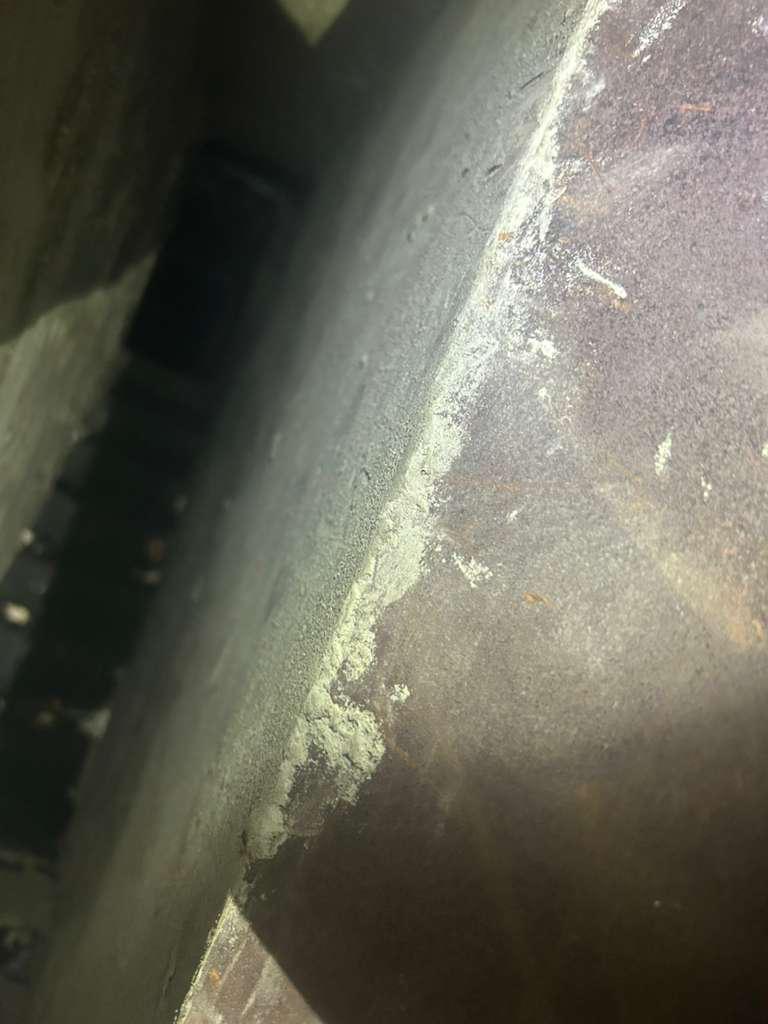
Often, homeowners don’t realize their chimney crown is failing until significant damage has already occurred. This isn’t due to negligence but rather the crown’s elevated, out-of-sight location. However, tell-tale signs often emerge: streaks of water staining on the exterior chimney masonry, efflorescence (white, powdery deposits on the bricks caused by salt leaching out), spalling (pieces of brick flaking off), or even rust stains around the flue liner. When a chimney crown fails, it essentially becomes an open invitation for moisture. This water can saturate the brickwork, deteriorate the mortar joints, and even seep down into your flue liner, potentially leading to costly repairs, hazardous conditions, or even compromising the structural integrity of the chimney. Regular inspections by professionals, like those at Duct Duct Ccleaning LLC, are paramount in catching these issues early, preventing minor problems from escalating into major emergencies.
Proactive Protection: Our Approach to Crown Care
At Duct Duct Ccleaning LLC, we understand the specific challenges homeowners face, whether it’s the historical homes of Cherry Hill, NJ, or the iconic structures dotting the Boston skyline. Our approach to chimney crown care is always proactive and precise. Depending on the extent of the damage, solutions can range from applying a high-quality crown sealant to repair existing hairline cracks and provide a water-repellent barrier. For more significant damage, a crown wash – a thin layer of specialized cement – can be applied to restore the crown’s integrity and proper slope. In severe cases, where the crown has deteriorated beyond repair, a full rebuilding using durable, weather-resistant materials is necessary. Our expertise ensures that every repair or replacement is executed to withstand the elements, just as we provide exceptional chimney cleaning services in bustling areas like Duct Duct Ccleaning LLC in Boston, Duct Duct Cleaning LLC in Cherry Hill, NJ, or Duct Duct Ccleaning LLC in Houston.
Beyond the Crown: Comprehensive Chimney Health
A well-maintained chimney crown is a cornerstone of overall chimney health, but it’s part of a larger system that requires attention. Just as we prioritize the exterior protection of your chimney, we also focus on its interior performance through professional chimney cleaning and thorough inspections. These services ensure your flue is free of dangerous creosote buildup and obstructions, allowing for safe and efficient operation. Maintaining the integrity of your home goes beyond just your chimney, extending to ensuring proper air flow and sealing throughout your property. For example, considering a home’s overall efficiency might also lead one to explore solutions like duct sealing for appraisal services, or how such efficiency intersects with larger technical infrastructures as seen in duct sealing for technology.
Your Peace of Mind, Our Priority
Allowing a compromised chimney crown to persist is an avoidable risk that can lead to significant structural and safety issues over time. By investing in regular inspections and timely repairs, you’re not just fixing a component; you’re safeguarding your entire home and your family’s comfort. At Duct Duct Ccleaning LLC, we pride ourselves on providing empathetic, expert service, understanding that your home is your sanctuary. We are here to ensure your chimney stands strong, offering clear explanations and reliable solutions. Don’t let a seemingly small crack become a significant headache. For peace of mind and professional chimney services, reach out to us at (609) 507-0043.
Frequently Asked Questions About Chimney Crowns
- Q1: What is the difference between a chimney crown and a chimney cap?
A: A chimney crown is the concrete slab that covers the top of the chimney masonry, directing water away from the structure. A chimney cap is a cover that sits on top of the flue opening itself, preventing debris, animals, and rain from entering the flue. - Q2: How often should I have my chimney crown inspected?
A: It’s recommended to have your chimney inspected annually, and this inspection should always include a thorough assessment of the chimney crown for any signs of damage. - Q3: What are the common signs of a failing chimney crown?
A: Common signs include visible cracks, spalling (flaking or chipping) of the concrete, water stains on the exterior chimney masonry, efflorescence (white powdery deposits), or missing pieces of the crown material. - Q4: Can I repair a damaged chimney crown myself?
A: While minor cracks might seem like a DIY fix, chimney crown repair requires specialized materials, tools, and expertise in working at heights. Improper repairs can worsen the problem. It’s always best to consult with a certified chimney professional. - Q5: What happens if I ignore chimney crown damage?
A: Ignoring crown damage can lead to severe water infiltration into the chimney structure, causing accelerated deterioration of bricks and mortar, flue liner damage, structural instability, and potentially creating pathways for carbon monoxide leaks. - Q6: How long does a properly maintained chimney crown last?
A: With proper materials and regular maintenance, a well-built chimney crown can last for decades, often as long as the chimney itself.
Protect Your Investment: Contact Duct Duct Ccleaning LLC Today
Don’t let the integrity of your home be compromised by a failing chimney crown. The cost of proactive maintenance pales in comparison to the expense of major structural repairs down the line. At Duct Duct Ccleaning LLC, we are committed to providing exceptional chimney services, ensuring your home in Cherry Hill, NJ, is safe and secure. Call us today at (609) 507-0043 to schedule your professional chimney inspection and discuss how we can help protect your home from the top down. Your peace of mind is just a phone call away.