Beyond Smoke: How a Clogged Chimney Can Lead to Carbon Monoxide Danger in Cherry Hill Homes
Have you ever considered what’s truly lurking in your chimney beyond the occasional smoke plume? As the crisp autumn air transitions into the frosty Cherry Hill winter, the allure of a warm, crackling fire becomes undeniable. But beneath that cozy facade lies a silent, invisible threat that could turn your cherished fireplace into a genuine danger zone: carbon monoxide (CO) poisoning, directly linked to a clogged chimney. Time is not on your side when it comes to this invisible killer; immediate action is critical.
Understanding the Silent Killer: Carbon Monoxide
Carbon monoxide is often called the “silent killer” for a chilling reason: it’s odorless, colorless, and tasteless. It can incapacitate and even kill before you realize it’s present. In homes across Cherry Hill, from the historic districts to newer developments near the Cherry Hill Public Library or the bustling Cherry Hill Mall, gas-fired appliances and fireplaces are common. When these appliances, especially your chimney, don’t vent properly, CO can build up to dangerous levels. Data from the CDC indicates that carbon monoxide poisoning accounts for approximately 50,000 emergency room visits and several hundred deaths each year in the U.S. Don’t let your Cherry Hill home become another statistic.
The Hidden Dangers in Your Cherry Hill Chimney
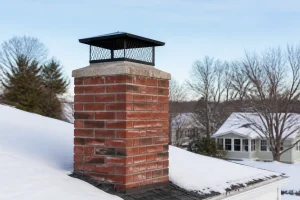
Your chimney is more than just a decorative feature; it’s a vital exhaust system designed to safely channel smoke and harmful gases, like carbon monoxide, out of your home. When it’s clogged, this crucial function fails.
Blockages You Can’t Ignore
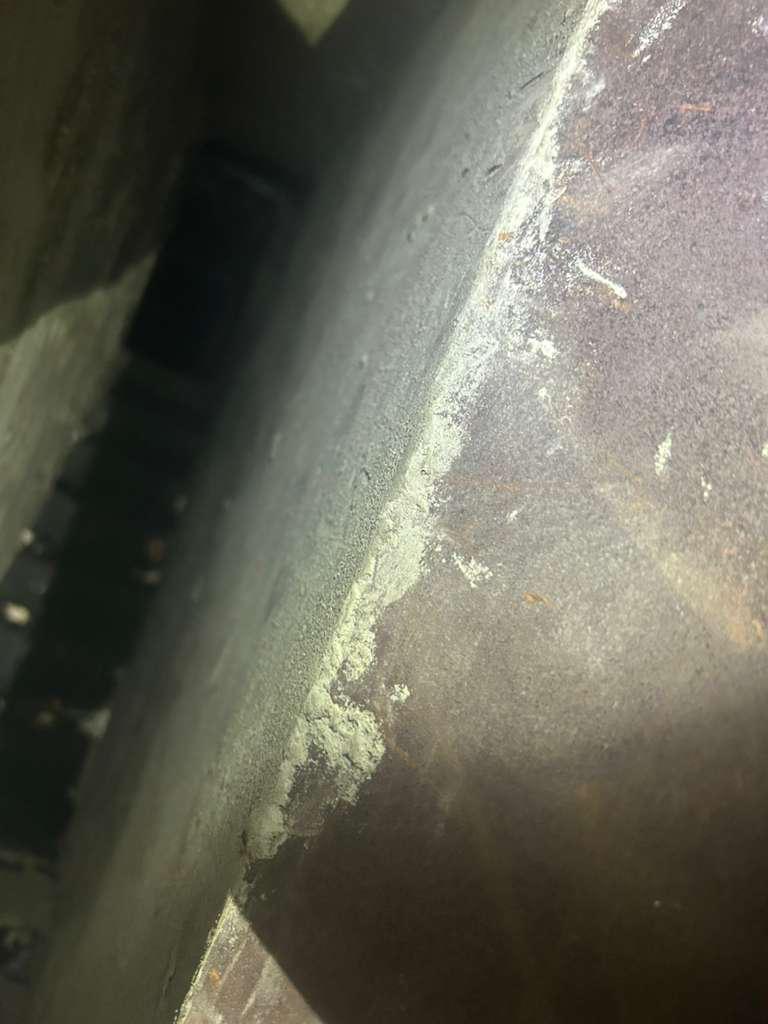
Winter in New Jersey can bring harsh conditions, and our local wildlife often seeks shelter. Squirrels, birds, and raccoons frequently build nests in chimneys. Leaves, debris from strong winds, and even fallen bricks can create physical obstructions. However, the most insidious culprit is often creosote—a highly flammable residue from burning wood that accumulates over time. This tar-like substance constricts the flue, making it difficult for smoke and gases to escape, and significantly increasing the risk of a chimney fire. Duct Duct Ccleaning LLC has seen firsthand how quickly these blockages can form in homes throughout Cherry Hill.
The Chemical Reaction: Carbon Monoxide Production
When your fireplace or furnace burns fuel (wood, natural gas, propane, oil), it produces combustion byproducts, including carbon monoxide. A healthy, unobstructed chimney flue drafts these gases safely outside. However, if the flue is blocked, these dangerous gases have nowhere to go but back into your living space. This back-drafting isn’t just inefficient; it’s lethal. The incomplete combustion due to lack of oxygen, exacerbated by a blockage, significantly increases carbon monoxide production, trapping it inside your home.
Your Urgent Action Plan: How to Prevent CM Poisoning
Protecting your family from carbon monoxide danger is a proactive, not reactive, responsibility. Here’s your essential guide.
Step 1: Regular Professional Chimney Sweeping
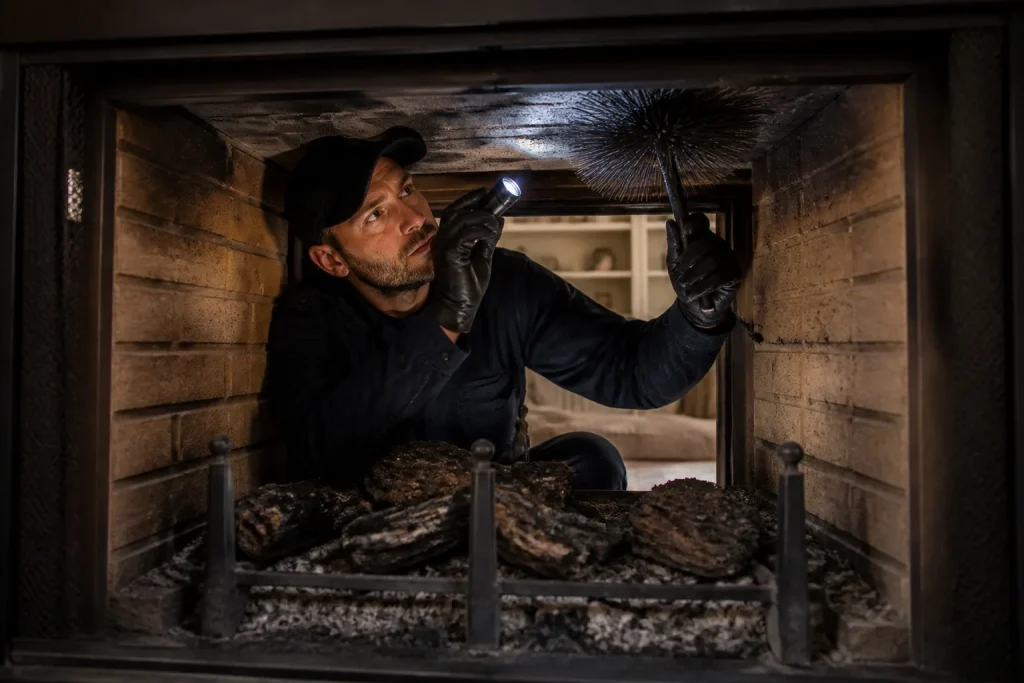
This is non-negotiable. The Chimney Safety Institute of America (CSIA) recommends annual chimney inspections and cleanings, especially for those who use their fireplaces frequently. Professional sweeps remove creosote buildup, animal nests, and any other debris that could impede proper ventilation. They can also identify structural damage that might compromise the chimney’s integrity. Don’t wait for visible signs of trouble like smoke filling the room; by then, you’re already in a dangerous situation. Duct Duct Ccleaning LLC provides thorough chimney services designed to keep your flue clear and your family safe. Many homeowners in thriving areas like those we serve, from Duct Duct Ccleaning LLC in Houston to Duct Duct Ccleaning LLC in Dallas and even Duct Duct Ccleaning LLC in New York, understand the critical importance of this annual maintenance.
Step 2: Install and Maintain Carbon Monoxide Detectors
CO detectors are your first line of defense against the invisible threat. Install battery-operated or battery back-up CO detectors on every level of your home, especially near sleeping areas and carbon-monoxide producing appliances. Test them monthly and replace batteries twice a year (many people do this when they change their clocks for Daylight Savings). Most detectors have a lifespan of 5-7 years; ensure yours aren’t expired. This simple device can literally save lives, giving you the critical warning you need to evacuate.
Step 3: Know the Symptoms and Act Fast
Recognizing the symptoms of CO poisoning is crucial for immediate response. Early signs can mimic the flu: headaches, dizziness, nausea, vomiting, shortness of breath, and fatigue. As exposure increases