What to Do After a Chimney Fire: Steps for Inspection and Repair
Did you know that thousands of chimney fires occur in the U.S. every year? While some are dramatic, with flames erupting from the chimney top, many are “slow burn” events that go undetected by homeowners. These silent fires, though less visible, cause significant structural damage and pose a serious long-term risk to your home and family. If you suspect or confirm a chimney fire has occurred at your Cherry Hill residence, knowing the immediate next steps for inspection and repair is crucial. At Duct Duct Ccleaning LLC, we specialize in comprehensive chimney services, and we’ve seen firsthand the damage these events can cause, not just here in South Jersey but across our service areas, including for our friends at Duct Duct Cleaning LLC in Cherry Hill, NJ.
Recognizing a Chimney Fire: What Happens?
A chimney fire typically ignites when creosote – a highly combustible residue from burning wood – builds up inside your chimney flue. When temperatures in the flue reach a critical point, this creosote can catch fire. You might hear loud cracking or popping noises, a low rumbling sound like a freight train, or even see dense, dark smoke or flames shooting from your chimney top. Inside your home, you might notice an intense smoke odor, excessive heat near the chimney breast, or a sudden change in the draft of your fireplace.
The immediate steps are critical: call 911, evacuate everyone from the house, and if safe to do so, close the fireplace doors and chimney damper to starve the fire of oxygen. Remember, even after the flames subside, the danger isn’t over. The structural integrity of your chimney and flue liner is likely compromised, and an unaddressed issue can lead to a future house fire.
DIY Initial Assessment: What You Can Safely Do
After a chimney fire, once the immediate danger has passed and emergency services have cleared the scene, homeowners in Cherry Hill might feel compelled to start assessing the damage themselves. There are a few things you can safely check, but it’s vital to understand the limitations of a DIY assessment.
Exterior Check
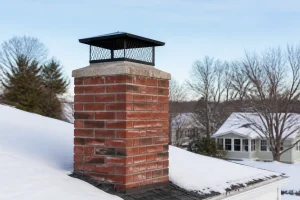
- Look for Obvious Damage: Step outside and visually inspect your chimney. Are there any visible cracks in the masonry? Is the chimney leaning? Do you see discolored or melted elements, like a damaged chimney cap or antenna wires near the chimney? Dark, oily stains on the exterior usually indicate a problem.
- Check for Blockages: From the ground, observe if anything appears to be blocking the top of the flue, though this is less likely a direct result of the fire itself.
Interior (Visible Areas) Check
- Inspect the Firebox: Look for any new cracks in the firebox walls or firebrick. Check the damper for warping or damage that might prevent it from opening or closing properly.
- Observe Soot Accumulation: While heavy soot is normal, an unusual amount of fluffy, lightweight soot post-fire might indicate incomplete combustion or a compromised flue.
However, these DIY checks barely scratch the surface. A chimney fire almost invariably causes internal damage that is impossible to see without specialized equipment. The safety of your home, and indeed homes throughout areas like where Duct Duct Ccleaning LLC in Houston provides service, depends on professional evaluation.
Why a Professional Chimney Inspection is Non-Negotiable
While your initial DIY assessment might reveal surface-level issues, a professional chimney inspection after a fire is absolutely essential. A staggering 80% of chimney fires result in damage to the chimney structure or flue liner, often hidden from the untrained eye. Ignoring this could lead to the next fire escaping the flue, igniting combustible materials in your walls or attic.
The Hidden Dangers
The most critical component of your chimney is the flue liner – a protective barrier (often clay tiles, metal, or a cast-in-place material) that contains combustion byproducts and prevents heat transfer to surrounding structures. A chimney fire often cracks, shatters, or completely compromises these liners. In older Cherry Hill homes, built before modern safety standards, a damaged or absent liner dramatically increases the risk of a house fire. Without a professional inspection, you simply cannot determine if this vital safety component is intact.
Professional Expertise and Equipment
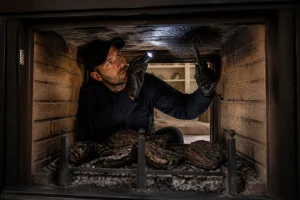
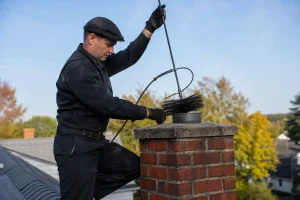
A certified chimney technician from Duct Duct Ccleaning LLC performs a Level 2 inspection, as recommended by the NFPA 211 standard for after an operational malfunction or external event like a chimney fire. This involves video scanning the entire length of your flue, from top to bottom, using specialized cameras. This technology allows us to pinpoint exact locations of cracks, spalling (flaking) tiles, compromised mortar joints, or blockages that are otherwise invisible. Our technicians can assess the integrity of the smoke chamber, firebox, and chimney crown, ensuring every aspect of your chimney system is safe. Furthermore, we can evaluate if your entire home’s ventilation system has been impacted, and discuss solutions like duct sealing for proper ventilation if a smoky event has affected your air ducts, which we also service.
Don’t take chances with your family’s safety. For expert assessment in Cherry Hill, call Duct Duct Ccleaning LLC at (609) 507-0043.
The Professional Repair Process
Once our thorough inspection identifies the extent of the damage, Duct Duct Ccleaning LLC will provide a detailed report and recommend the necessary repairs. Our goal is to restore your chimney to a safe, efficient, and code-compliant condition.
Comprehensive Damage Assessment
A Level 2 or, in severe cases, a Level 3 inspection (requiring partial removal of components) will precisely locate every area of concern. We’ll look for spalled masonry, cracked or missing flue tiles, gaps in the mortar, compromised chimney crowns, and any structural instability that could be exacerbated by Cherry Hill’s freeze-thaw cycles during winter.
Common Repairs
- Flue Liner Repair/Replacement: Often, a new stainless steel liner is installed. These liners are highly durable, corrosion-resistant, and provide superior protection compared to traditional clay tiles, especially for older chimneys common in our area.
- Mortar Joint Repair (Tuckpointing): Repairing deteriorated mortar joints between bricks strengthens the chimney structure.
- Chimney Crown Repair/Replacement: The crown protects the chimney stack from water penetration. A damaged crown can lead to accelerated deterioration of the masonry.
- Smoke Chamber Repair: Smooth existing corbelled (stepped) or rough smoke chamber walls to improve draft and reduce creosote accumulation.
These repairs are not just about aesthetics; they are critical safety measures designed to prevent another fire and protect your home. Trust Duct Duct Ccleaning LLC in Dallas and us, Duct Duct Ccleaning LLC, to handle your chimney with the utmost professionalism. Moreover, after a significant smoke event like a chimney fire, particles can disseminate throughout your home’s HVAC system. We also offer air handler cleaning services as part of a comprehensive indoor air quality recovery plan, ensuring that the air you breathe is free from lingering contaminants.
Frequently Asked Questions About Chimney Fires
- Q: Can a chimney fire go unnoticed?
- A: Yes, many chimney fires are slow-burning and can go unnoticed by homeowners, causing internal damage without dramatic flames or roaring sounds. These are often the most dangerous because they go unaddressed.
- Q: Is it