The Silent Threat: Ensuring Carbon Monoxide Safety with Professional Chimney & Flue Inspections in Boston.
The Hidden Danger in Historic Homes: Why Boston Needs Vigilance Against Carbon Monoxide
There’s a certain charm to Boston’s historic homes – the brownstones of Beacon Hill, the cozy brick facades of the North End, the intricate architecture that tells a story spanning centuries. But underneath that charming exterior often lies an overlooked, silent threat: carbon monoxide (CO). As the chill of a New England winter sets in, and you begin relying more on your heating systems and fireplaces, the risk of CO poisoning escalates dramatically. It's a frustration many homeowners share: balancing the comfort of a warm home with the invisible dangers that can lurk within.
Carbon monoxide, an odorless, colorless gas, is a leading cause of accidental poisoning in the U.S. Each year, more than 400 Americans die from unintentional CO poisoning not linked to fires, and thousands more are hospitalized. In a city like Boston, with its aging infrastructure and a penchant for roaring fireplaces, this risk isn't just a statistic; it's a pressing local concern that demands immediate attention. Waiting for a problem to appear can be a fatal mistake when dealing with this invisible killer.
The Culprits: How Your Chimney and Flue Can Turn Treacherous
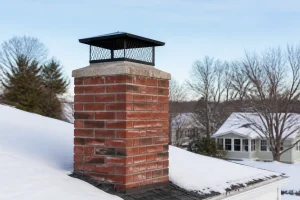
Your chimney and flue are designed to safely vent combustion byproducts, including carbon monoxide, out of your home. However, wear and tear, obstructions, or improper installation can compromise this critical function. Imagine a cozy evening by the fire, unaware that dangerous gases are silently seeping into your living space due to a blockage you can’t see.
The Anatomy of a Threat: Understanding Backdrafts and Blockages
A chimney flue obstructed by creosote buildup, animal nests, leaves, or even structural damage can prevent gases from escaping. When this happens, carbon monoxide can be forced back into your home—a phenomenon known as a backdraft. Similarly, cracks in the flue liner, often unseen without specialized equipment, can allow CO to leak into other areas of your home, including through adjoining walls or into ductwork in the event of fire damage, spreading the danger far beyond the fireplace itself.
Winter Woes: Boston's Climate and Carbon Monoxide Risk
Boston's harsh winters are a significant contributing factor to CO incidents. Freezing temperatures mean more reliance on heating systems and fireplaces, increasing the production of CO. Additionally, the severe weather can exacerbate chimney issues. Ice dams can contribute to masonry degradation, and heavy winds can cause structural damage or dislodge caps, leading to blockages. Ensuring your chimney is in pristine condition before the first major snowfall is not just recommended; it’s an urgent safety imperative for homes in areas like Dorchester, the South End, and Charlestown.
Beyond the Alarm: The Critical Role of Professional Inspections
While carbon monoxide detectors are vital, they are a last line of defense. The true proactive measure against CO poisoning lies in preventing its entry into your home in the first place, and that means professional chimney and flue inspections. The Chimney Safety Institute of America (CSIA) recommends annual inspections for all chimneys, regardless of usage. For properties with heavy fireplace use or older systems, more frequent checks might be necessary.
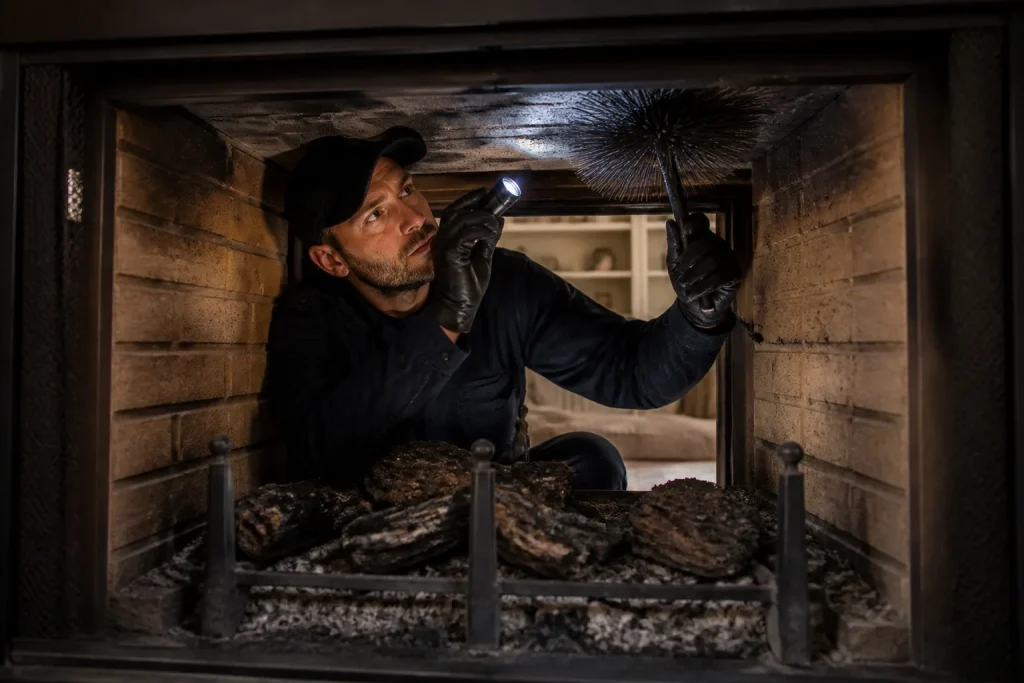
During an inspection, professionals like Duct Duct Ccleaning LLC assess the structural integrity of your chimney, check for creosote buildup, identify any blockages, and ensure your flue liner is intact and performing optimally. This is a highly specialized task requiring expertise and specific equipment. Attempting DIY solutions for these critical systems can often lead to greater, unforeseen risks. We understand the unique challenges faced by homeowners, whether you’re in Cherry Hill, NJ (our primary service area), or seeking expert information for your properties further afield like those needing a reliable Duct Duct Ccleaning LLC in Boston, Duct Duct Ccleaning LLC in Cleveland, or Duct Duct Cleaning LLC in Cherry Hill, NJ.
Ignoring these warnings puts you and your family at unacceptable risk. Don't gamble with safety; take action today. For comprehensive chimney and flue services and peace of mind, contact Duct Duct Ccleaning LLC at (609) 507-0043.
More Than Just Chimneys: Comprehensive Home Airflow Safety
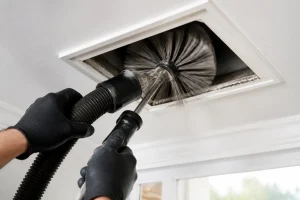
While chimneys are often the primary focus for CO safety, they're part of a larger interconnected system of home airflow. Proper ventilation throughout your home, including clean air ducts and dryer vents, contributes to overall safety and efficiency. For example, a clogged dryer vent isn't just a fire hazard; it can also affect overall indoor air quality and put strain on your HVAC system, indirectly impacting the balanced airflow needed to prevent backdrafts in other combustion appliances. Even seemingly unrelated issues like duct leakage, which might lead one to consider duct sealing for solar power efficiency, can play a role in maintaining proper pressure differentials throughout a home.
A holistic approach to home safety recognizes that all these systems work in concert. Ensuring your air ducts are free of obstructions and your dryer vents are clear contributes significantly to a safer, healthier indoor environment, complementing the essential work of chimney inspections.
Don't Wait Until It's Too Late: A Call to Immediate Action
The urgency of carbon monoxide safety cannot be overstated. Unlike a leaky faucet or a flickering light, CO poisoning offers no obvious early warning signs until it's too late. The time to act is now, before the cold truly settles in and the risk compounds. A professional inspection is a modest investment that can save lives and prevent devastating tragedies.
Frequently Asked Questions About Carbon Monoxide & Chimney Safety
- Q: How often should I have my chimney inspected?
A: The Chimney Safety Institute of America (CSIA) recommends annual inspections for all chimneys, regardless of how often they are used, to identify potential issues early. - Q: What are the common symptoms of carbon monoxide poisoning?
A: Early symptoms can mimic the flu and include headache, dizziness, nausea, fatigue, and shortness of breath. Higher levels can lead to vomiting, confusion, collapse, and ultimately, death. - Q: Can a gas fireplace produce carbon monoxide?
A: Yes, all combustion appliances, including gas fireplaces, furnaces, and water heaters, produce carbon monoxide and require proper venting through a chimney or flue. - Q: How can I tell if my flue liner is damaged?
A: Visible cracks, missing mortar joints, or sections of the liner falling into the fireplace can indicate damage. However, many damages are internal and require a professional camera inspection. - Q: Do professional inspections include cleaning?
A: Inspections assess the need for cleaning. If excessive creosote buildup or blockages are found, a professional cleaning (sweep) is usually recommended and performed as a separate service after the inspection. - Q: Where should I place carbon monoxide detectors?
A: Install CO detectors on every level of your home, especially near sleeping areas. For best protection, consider placing one outside each separate sleeping area and one in the main living space.
Don't let the silent threat of carbon monoxide loom over your home this winter. Take proactive steps today to ensure the safety and well-being of your family. If you're in the Cherry Hill, NJ area, and need expert chimney, air duct, or dryer vent services, contact the trusted professionals at Duct Duct Ccleaning LLC. Our certified technicians are ready to provide thorough inspections and reliable services to give you peace of mind. Call us now to schedule your essential inspection.
Protect your home and loved ones – contact Duct Duct Ccleaning LLC today at (609) 507-0043. Your safety is our priority.