Beyond Firewood: Essential Chimney Cleaning for Gas Fireplaces in Philadelphia Homes
Sarah, a homeowner in Fishtown, loved the convenience of her gas fireplace. No messy firewood, no ash, just instant ambiance with the flick of a switch. Like many Philadelphians in her charming, turn-of-the-century rowhome, she assumed “gas” meant “maintenance-free.” Then, one chilly November evening, she noticed a faint, acrid smell and the pilot light flickering erratically. A quick online search, spurred by a neighbor’s concern about carbon monoxide, sent a shiver down her spine. The culprit? A neglected chimney flue, silently accumulating soot and debris, even from her seemingly clean-burning gas logs.
This isn’t just Sarah’s story; it’s a looming reality for countless Philadelphia homeowners who, like her, mistakenly believe their gas fireplaces don’t require professional attention. The truth is, whether you’re in Society Hill, Chestnut Hill, or any of our vibrant neighborhoods, your gas fireplace chimney demands the same, if not more, vigilance as its wood-burning counterpart. The risks of neglect are immediate and severe – and the time to act is right now, before winter truly settles in.
The Silent Threat of Gas Fireplaces in Historic Philadelphia Homes
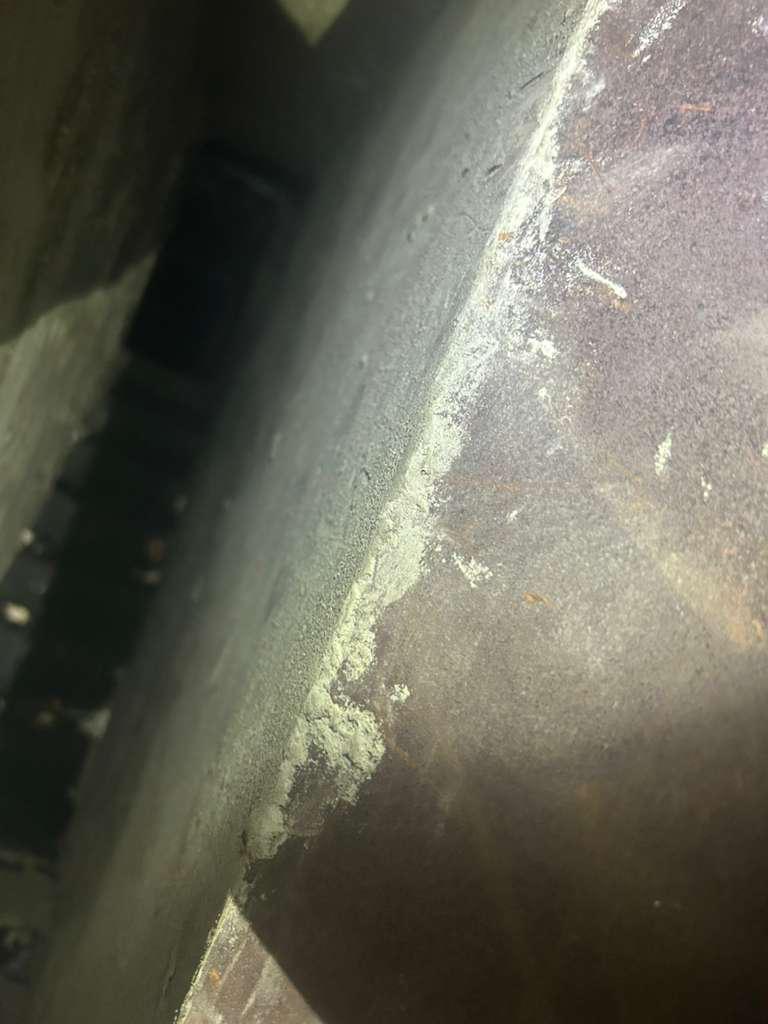
Contrary to popular belief, gas fireplaces are not entirely soot-free. While they burn cleaner than wood, they still produce carbon and other byproducts that can accumulate in your chimney and flue system. Over time, these deposits, combined with condensation, create a corrosive mixture that can deteriorate your chimney liner. A compromised liner means a higher risk of toxic gases, like carbon monoxide (CO), leaking into your living space. Consider this: the CDC reports an average of 430 deaths per year from unintentional CO poisoning in the U.S. Many incidents involve faulty heating systems or fireplaces.
Philadelphia’s architectural heritage, rich with older homes, adds another layer of urgency. Many of these properties have original chimneys that may be decades or even a century old. A gas fireplace installation into an aging chimney without proper inspection and cleaning is a recipe for disaster. The unique atmospheric conditions here, with fluctuating temperatures and humidity, can also accelerate deterioration. Ensuring the safety of your gas fireplace means understanding its specific needs, a task best left to seasoned professionals. For thorough and reliable service, consider expert providers like Duct Duct Ccleaning LLC in Philadelphia, who understand these local nuances.
More Than Just Soot: The Hidden Dangers of Neglect
The dangers associated with an uncleaned gas fireplace extend far beyond mere soot. Blockages from nests, falling debris, or even the breakdown of the flue lining itself can prevent proper venting, leading to a dangerous buildup of exhaust gases inside your home. Furthermore, the corrosive byproducts of gas combustion can damage the internal components of your fireplace, including the burner, pilot light, and gas lines, potentially leading to malfunctions or gas leaks. This isn’t a problem to defer until spring; these issues can escalate rapidly, especially when systems are under constant use during colder months.
Neglecting this essential maintenance can lead to costly repairs, not to mention the irreparable damage to your family’s health. Think about it: ensuring safe environments is paramount in all settings. Just as specialized facilities require rigorous attention to air quality and sealed systems, similar to the precision needed for Duct Sealing for Refrigerator Facilities, your home’s safety systems demand equally meticulous care. Don’t wait for a flickering flame or a strange odor to become a full-blown emergency.
What a Professional Chimney Cleaning for Gas Fireplaces Entails
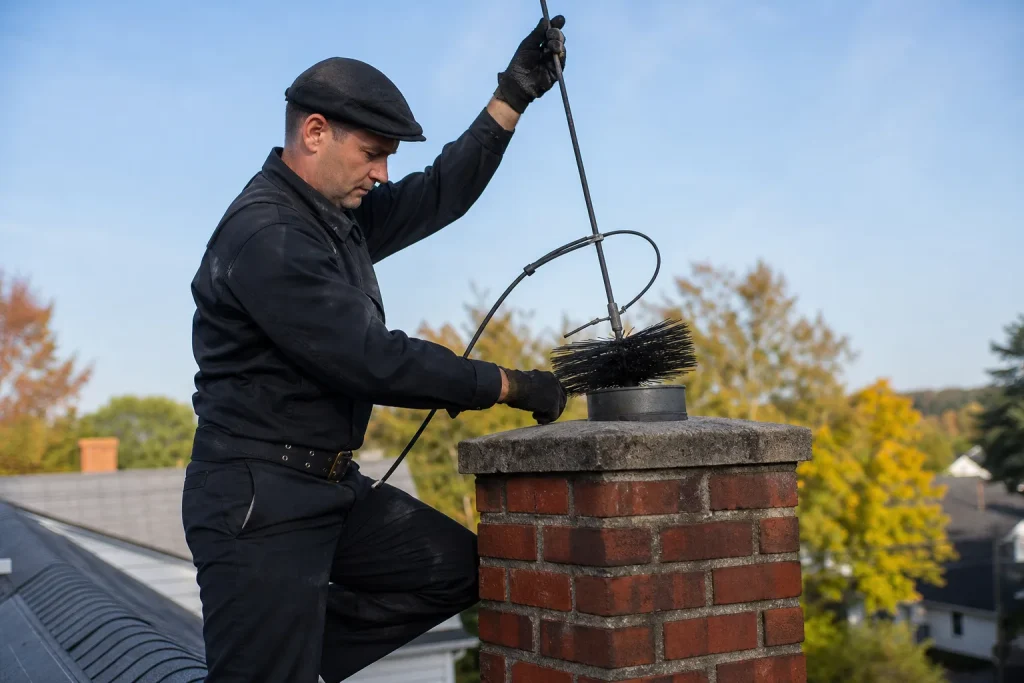
A professional chimney cleaning for a gas fireplace isn’t just about sweeping; it’s a comprehensive safety inspection. Experts from Duct Duct Ccleaning LLC will meticulously check for:
- Soot and Carbon Buildup: Even with “clean” gas, carbon can accumulate, restricting airflow and posing a CO risk.
- Flue Blockages: Nests from birds or small animals, leaves, or other debris can obstruct the flue, preventing exhaust from escaping.
- Corrosion and Deterioration: Gas byproducts can be corrosive, eroding the chimney liner or internal components.
- Ventilation Issues: Ensuring proper draft and airflow to efficiently expel combustion gases.
- Component Integrity: Checking the gas logs, burner, pilot light, and connections for any signs of wear or malfunction.
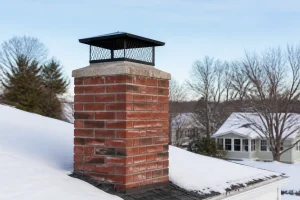
- Chimney Cap and Crown: Inspecting for damage that could allow water intrusion or debris.
This detailed inspection ensures every element of your gas fireplace system is operating safely and efficiently. You wouldn’t expect your car to run perfectly without a tune-up, and your fireplace is no different. We bring the same dedication to your chimney safety as we do to our broader service areas, from Cherry Hill to locales like Duct Duct Ccleaning LLC in Houston. Call Duct Duct Ccleaning LLC today at (609) 507-0043 to schedule your critical maintenance.
The Time to Act is Now: Why Procrastination Costs More
The crisp air of autumn signals more than just changing leaves; it’s a stark reminder that heating season is upon us. Procrastinating on your gas fireplace chimney cleaning isn’t just inconvenient; it can be incredibly costly. A small blockage or minor corrosion issue, left unattended, can quickly escalate into a major repair, potentially requiring extensive flue repair or even chimney reconstruction. More critically, the risk of carbon monoxide poisoning or a house fire is simply not worth gambling with. Investing in preventative maintenance now saves you significant money and stress down the line. We recommend annual inspections to catch issues before they become emergencies, applying the same preventative mindset we bring to services like Post-Construction Duct Cleaning, ensuring systems are safe from the outset.
Your Safety Checklist: Proactive Steps for Your Philadelphia Home
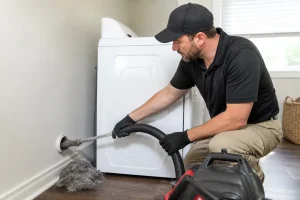
Beyond the fireplace, consider the overall health and safety of your home’s ventilation systems. While focusing on your chimney’s immediate needs, remember that comprehensive air quality management is crucial for every home. Just as communities nationwide, from our local Cherry Hill area to clients of Duct Duct Ccleaning LLC in Dallas, prioritize safety, your home deserves the utmost attention. Regular professional inspections of all your venting systems, including air ducts and dryer vents, contribute significantly to a healthier and safer living environment.
FAQs About Gas Fireplace Chimney Cleaning
- Q1: Do gas fireplaces really produce soot?
A: Yes, while much less than wood, gas fireplaces still produce carbon deposits and other byproducts that can accumulate in the flue, especially if the gas-to-air mixture is incorrect or if the logs are not properly arranged. - Q2: How often should a gas fireplace chimney be cleaned?
A: The National Fire Protection Association (NFPA) recommends annual inspections for all chimneys, regardless of fuel type. Cleaning should be done as needed, typically when significant accumulation is found during inspection. - Q3: What are the signs that my gas fireplace chimney needs cleaning?
A: Watch for a strange odor when the fireplace is in use (especially sulfurous or rotten egg smell), pilot light flickering, condensation on the inside of the glass, soot buildup on gas logs or fireplace walls, or visible debris in the firebox. - Q4: Can I clean my gas fireplace chimney myself?
A: No, professional chimney cleaning and inspection are essential. This isn’t a DIY job, as it involves specialized tools, knowledge of gas appliance venting, and the ability to detect subtle issues that pose significant risks. - Q5: What’s the difference between cleaning a gas vs. wood fireplace chimney?
A: While both involve clearing the flue, gas fireplace cleaning focuses more on corrosive buildup, checking gas lines, and ensuring proper ventilation for invisible gases. Wood burning often deals with creosote, which is highly flammable. - Q6: Is a carbon monoxide detector necessary if I have a gas fireplace?
A: Absolutely! A CO detector is a vital safety device for any home with combustion appliances, including gas fireplaces. It provides an early warning of this odorless, colorless, and tasteless gas.
Don’t Gamble with Your Family’s Safety – Act Now!
The safety of your Philadelphia home and family is paramount. Don’t let misconceptions about gas fireplaces put you at risk. The time to schedule your chimney inspection and cleaning is not next month, or next season, but today. Duct Duct Ccleaning LLC is your trusted local expert for comprehensive chimney services, air duct cleaning, and dryer vent cleaning. Our certified technicians are ready to ensure your gas fireplace operates safely and efficiently throughout the winter.
Protect your home, protect your loved ones. Call Duct Duct Ccleaning LLC right now at (609) 507-0043. Your safety can’t wait.