Protecting Your Historic Chicago Chimney’s Smoke Chamber: Why It Matters for Draft and Safety
As the crisp winds sweep in from Lake Michigan and the iconic Chicago skyline readies for its annual deep freeze, there’s nothing quite like the thought of a warm, crackling fire in your historic Wicker Park brownstone or Gold Coast mansion. But before you strike that match, let’s talk about a crucial, yet often overlooked, part of your chimney system: the smoke chamber. It’s the unsung hero that dictates how safely and efficiently your fireplace operates, especially in a city known for its century-old homes and their unique charm.
Learn more about our “Duct Sealing for Data Governance”, services in your area.
Learn more about our “Convention Center HVAC Cleaning”, services in your area.
At Duct Duct Ccleaning LLC, we understand the intricacies of classic chimney systems. Today, we want to walk you through a tale of two smoke chambers – the ideal, well-maintained one versus its neglected counterpart – and why this comparison is vital for your comfort and safety.
What Exactly Is Your Chimney’s Smoke Chamber?
Think of your chimney’s smoke chamber as the inverted funnel-shaped area just above your fireplace opening and below the flue liner. Its job is to smoothly transition smoke and combustion byproducts from the wide firebox opening into the much narrower chimney flue. A properly designed and constructed smoke chamber is paramount for creating the necessary draft that pulls smoke up and out of your home, rather than letting it linger or, worse, spill back into your living space.
The Ideal Smoke Chamber: A Masterpiece of Smooth Efficiency
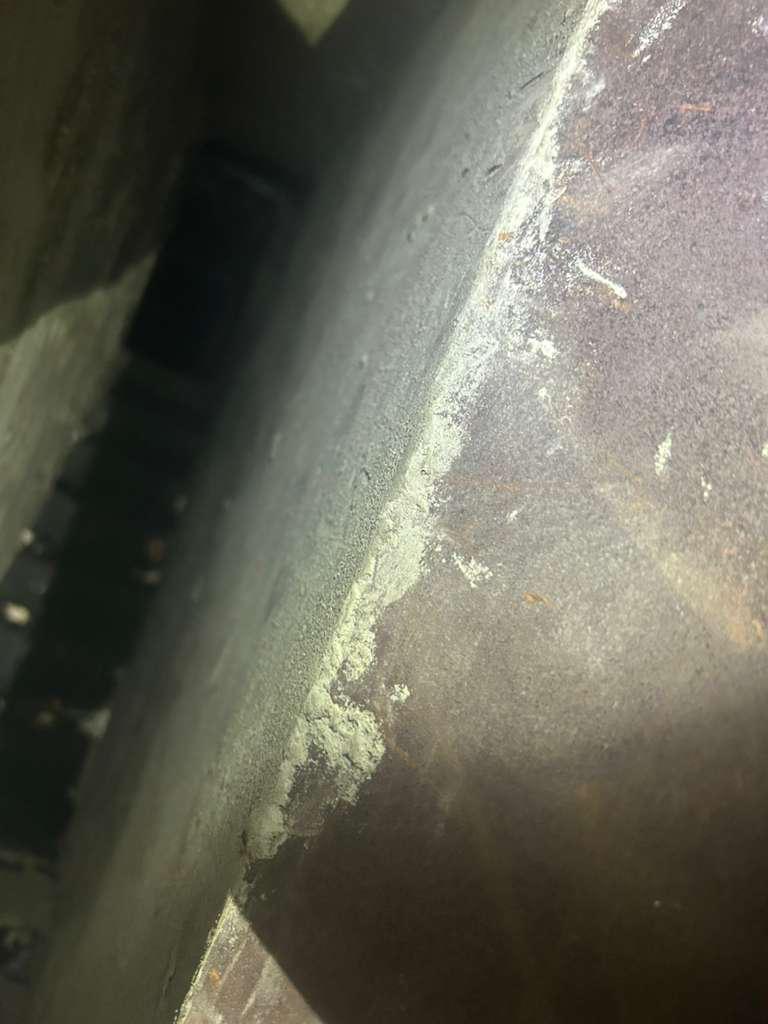
Imagine a smoke chamber with smooth, parged (meaning mortar-coated) walls that taper gracefully upwards. This is the gold standard for historical Chicago chimneys. These chambers are typically sealed without gaps or irregularities, allowing gases to move freely and quickly. What does this mean for you?
- Effortless Draft: Smoke rises efficiently, ensuring a consistent and strong draft that pulls harmful gases away from your home. This prevents smoke spill-back into your beautiful living room, a common complaint in older homes.
- Reduced Creosote Buildup: With smooth walls and optimal airflow, creosote – a highly flammable byproduct of combustion – has fewer rough surfaces to cling to. This significantly reduces the risk of dangerous chimney fires.