Is Your Fireplace Smoking Back Into Your Cherry Hill Home? Causes & Solutions
Imagine this: A chill Cherry Hill evening, the perfect setting for a roaring fire in your living room. You settle in with a good book, anticipating the comforting crackle and warmth. Instead, a acrid smell invades the air, quickly followed by a plume of grey smoke billowing from your fireplace opening, filling the room. Smoke alarms blare, eyes sting, and the comforting glow becomes a hazardous nightmare. This isn’t just an inconvenience; it’s a health risk, a fire hazard, and a stark reminder that something is critically wrong with your home’s most beloved heat source. While this scenario can be alarming, understanding the causes and implementing preventative measures can safeguard your home and ensure your fireplace remains a source of comfort, not concern.
At Duct Duct Ccleaning LLC, we believe that informed homeowners are safe homeowners. That’s why we’ve compiled this ultimate guide to help Cherry Hill residents diagnose, understand, and resolve the perplexing problem of fireplace smoke making its unwelcome return into your living space. From subtle shifts in atmospheric pressure to structural deficiencies, a range of factors can contribute to this issue. Let’s delve into the mechanics of proper fireplace function and what can disrupt it.
The Fundamental Principles of a Properly Venting Fireplace
To understand why your fireplace might be smoking, it’s essential to first grasp how it’s *supposed* to work. A well-designed and maintained fireplace creates what is known as a “draft.” As the fire burns, it heats the air and combustion gases. This hot air, being less dense, rises and flows up the chimney, carrying smoke and byproducts out of your home. This upward flow then draws fresh air from the room into the firebox, providing oxygen to fuel the flames. When this delicate balance is disrupted, smoke can easily reverse course and enter your living space.
The Root Causes of Fireplace Backdrafting in Your Cherry Hill Home
The reasons behind a smoking fireplace are diverse, often involving a combination of issues rather than a single culprit. Identifying the precise cause is the first step toward a lasting solution.
Blocked or Restricted Chimney Flue
One of the most straightforward and dangerous reasons for smoke to re-enter your home is an obstructed flue. Over time, animal nests (squirrels, birds), fallen leaves, branches, or even building debris can partially or completely block the chimney. A partial blockage significantly restricts the path for smoke and gases, forcing them back down into your home. A complete blockage, however rare, can quickly create a life-threatening situation due to carbon monoxide accumulation.
Inadequate Draft: The Cold Chimney Syndrome
Chimneys perform best when they are warm. If your chimney is cold, especially at the start of a fire, the cooler, heavier air inside can prevent the hot smoke from rising effectively. This is often called “cold chimney syndrome.” It requires time for the flue to heat up sufficiently to establish a strong, consistent draft. During this initial phase, some smoke may struggle to ascend and spill back into the room.
Negative Pressure within Your Home
Modern homes in Cherry Hill, built for energy efficiency, are often very tightly sealed. While beneficial for insulation, this can sometimes create a phenomenon called “negative pressure.” Powerful exhaust fans (kitchen, bathroom), clothes dryers, and even certain high-efficiency HVAC systems can draw more air out of your home than is naturally replaced. When this happens, your home essentially “sucks” air in through any available opening, including your chimney. If this negative pressure is stronger than the chimney’s natural draft, smoke will be pulled back into the living space. Understanding and managing your home’s air dynamics, perhaps through solutions discussed in resources like “Duct Sealing for Retrofitting”, can be crucial in preventing such issues.
Damper Issues or Improper Operation
The damper is a crucial component that controls the opening to your chimney flue. It must be fully open when a fire is burning to allow for proper ventilation. A damper that is only partially open, rusted shut, bent, or obstructed can severely restrict airflow, leading to smoke backing up. Furthermore, forgetting to open the damper before lighting a fire is a common and easily rectifiable mistake that sends immediate plumes of smoke into your room.
Burning Wet or Unseasoned Wood
The type and quality of wood you burn profoundly impact your fireplace’s performance. Wet or “green” wood, meaning wood that hasn’t been properly dried and seasoned, contains a high moisture content. When burned, this moisture must first evaporate before the wood can truly combust, producing more smoke and less heat. This cooler, denser smoke is less likely to rise effectively, leading to backdrafting and an increase in creosote buildup.
Excessive Creosote Buildup
Creosote is a highly flammable, tar-like substance that forms as a byproduct of burning wood and adheres to the inside of your chimney flue. A thin layer is normal, but excessive buildup restricts the flue’s diameter, much like a blockage. This reduced opening impedes the smoke’s upward flow, causing it to back up. More dangerously, significant creosote accumulation is the leading cause of chimney fires, posing a severe threat to your Cherry Hill home.
Structural & Design Flaws
Sometimes, the problem lies not in operation or maintenance but in the chimney’s fundamental design or integrity. This can include a chimney that is too short, doesn’t extend high enough above the roofline, or has an improperly sized flue relative to the firebox opening. Cracks in the flue liner, damaged mortar joints, or issues with the chimney crown can also disrupt airflow or allow moisture infiltration, contributing to draft problems and smoking.
Immediate Steps When Your Fireplace Smokes
If smoke is currently filling your home:
- Open Windows and Doors: Quickly ventilate the room to dispel smoke and carbon monoxide.
- Ensure Damper is Fully Open: Double-check that the damper mechanism is completely uninhibited.
- Extinguish the Fire Safely: If the smoke persists, carefully and safely extinguish the fire using sand or a fire extinguisher. Avoid using water directly on a roaring fire in a masonry fireplace as it can cause damage.
- Ventilate Continually: Keep windows open until the air clears, and the smell dissipates.
Long-Term Solutions & Prevention for Cherry Hill Homeowners
Preventing fireplace backdrafting is largely about consistent maintenance and understanding your home’s unique dynamics.
Regular Professional Chimney Sweeping & Inspection
This is paramount. A professional chimney sweep will remove creosote, soot, and any blockages. An inspection will identify structural issues, cracks, or damage to the flue liner or other components that could affect performance and safety. For Cherry Hill homeowners, annual inspections are a non-negotiable part of fireplace safety and efficiency. This expert service is what Duct Duct Ccleaning LLC specializes in, ensuring your system is clean and clear.
Ensure Proper Fuel Selection
Always burn dry, seasoned hardwood. Wood should be split and dried for at least six months, ideally a year, before burning. Seasoned wood produces more heat, less smoke, and reduces creosote buildup.
Address Home Air Pressure Dynamics
If negative pressure is suspected, consider having a professional assess your home’s ventilation system. Simple solutions might include cracking a nearby window slightly when operating the fireplace or installing a dedicated outside air supply. Proper home sealing, as highlighted in “Duct Sealing for Retrofitting”, is critical for energy efficiency, but understanding how it interacts with combustion appliances is equally vital. Ensuring your home’s air systems are balanced means less strain on your fireplace’s natural draft.
Chimney Cap & Damper Maintenance
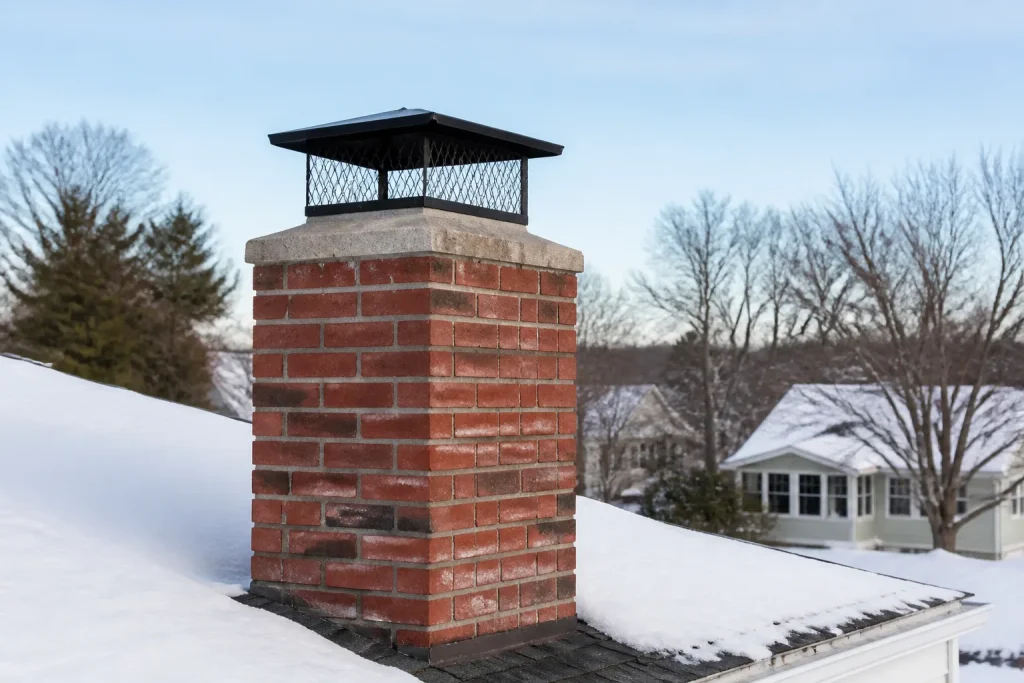
Install a chimney cap with a spark arrestor to prevent debris and animals from entering the flue. If your damper is old or damaged, consider replacing it, perhaps with a top-sealing damper which offers better energy efficiency when the fireplace is not in use.
Consider Chimney Relining or Repair
If inspections reveal a damaged flue liner or significant structural issues, relining the chimney with a new stainless steel liner or undertaking masonry repairs may be necessary. These are crucial safety investments that protect your home from heat transfer and carbon monoxide leaks. Homeowners in Cherry Hill have also found great results with dd chimney cleaning.
Why Trust Duct Duct Ccleaning LLC with Your Cherry Hill Fireplace?
Addressing a smoking fireplace is not a DIY task for the inexperienced. It requires a deep understanding of combustion science, chimney construction, and ventilation principles. Our team at Duct Duct Ccleaning LLC brings years of specialized experience to every job. We are equipped with the latest tools and diagnostic equipment to accurately identify the root cause of your fireplace issues, offering tailored, effective, and safe solutions for your Cherry Hill property. We’re not just sweeping chimneys; we’re ensuring the health and safety of your home and family.
Frequently Asked Questions (FAQ)
Q1: Is a little smoke normal when starting a fire?
A1: A very minimal amount of smoke when initially igniting a fire, especially in a cold chimney, can sometimes be normal as the flue warms up and establishes a draft. However, if smoke persists or continues to pour into the room for more than a minute or two, it indicates a problem that needs investigation.
Q2: Can my smoking fireplace cause carbon monoxide poisoning?
A2: Yes, absolutely. Where there is smoke, there is incomplete combustion, which produces carbon monoxide (CO). CO is an odorless, colorless gas that is highly toxic and can be fatal. Any backdrafting smoke indicates that CO is also entering your home. It’s crucial to have working carbon monoxide detectors on every level of your Cherry Hill home.