Preventing Critters in Your Chimney & Dryer Vent in New York City
The sounds started subtly for Maria, a homeowner in a quaint Greenwich Village brownstone. A faint scratching, then rustling, emanating from what she initially thought was the building next door. But as days turned into weeks, the noises grew louder, more insistent, seemingly coming from her fireplace. One morning, a tell-tale scurry from the dryer vent startled her. She had a problem, a living problem, and it was right inside her cherished home. This scenario is unfortunately common in a bustling metropolis like New York City, where urban wildlife constantly seeks refuge. As experts in chimney and dryer vent care, Duct Duct Ccleaning LLC in New York understands these challenges intimately. The good news? With the right knowledge and proactive steps, most critter intrusions are entirely preventable. Let’s explore the common mistakes homeowners make and how to avoid them.
Mistake #1: Ignoring Exterior Vent and Chimney Caps
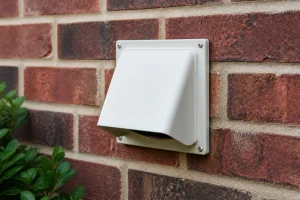
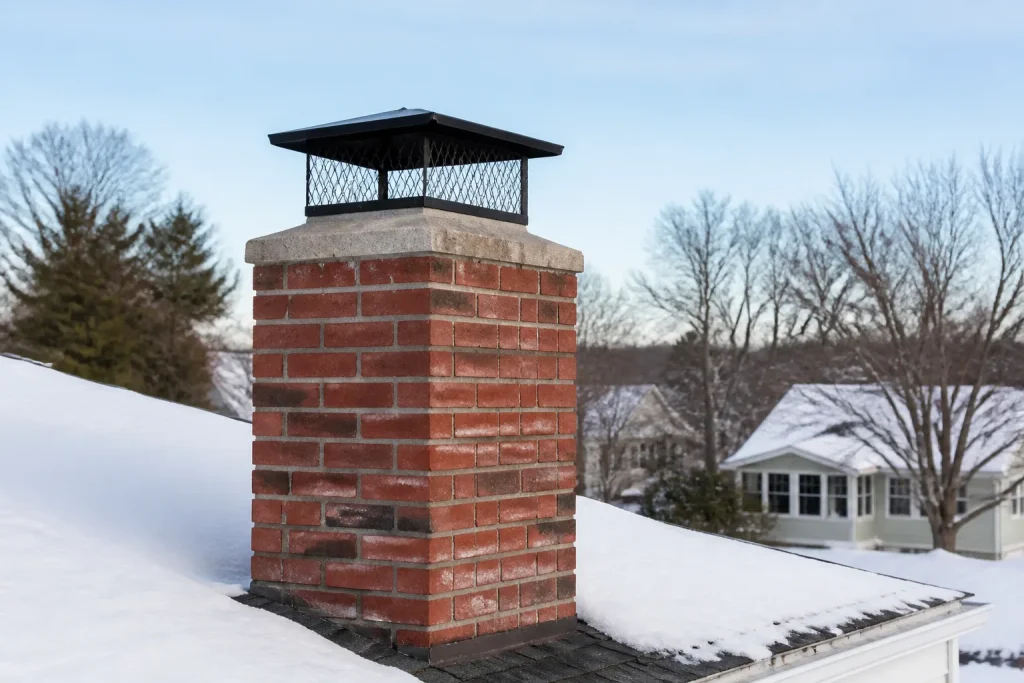
Many New York City homeowners, from Brooklyn to the Upper West Side, mistakenly assume that chimneys and dryer vents are sealed systems impervious to animals. This oversight is a primary cause of critter infestation. Chimney flues often end with an open top, making them inviting, sheltered environments for birds, squirrels, raccoons, and even bats, especially during nesting seasons. Similarly, dryer vents frequently feature flimsy, easily damaged plastic hoods that offer little resistance to determined pests. A broken or missing cap on your chimney, or a bent louver on your dryer vent, is essentially an open invitation.
To avoid this, conduct seasonal visual inspections of your chimney crown and cap, especially after strong winds or storms common to the East Coast climate. Check your dryer vent termination on the exterior wall; ensure its flap closes completely and isn’t obstructed or damaged. Professional installation of sturdy, animal-proof chimney caps made of durable stainless steel or copper is a wise investment. For dryer vents, upgrading to a robust metal hood with a secure screen provides superior protection. Statistics show that up to 70% of wildlife intrusions into homes occur through uncapped chimneys or damaged vents.
Mistake #2: Neglecting Regular Inspections and Cleaning
Another critical mistake is the “out of sight, out of mind” approach to these systems. Homeowners often wait until there’s a problem—like a blocked dryer, unusual smells, or visible animal activity—before considering maintenance. For chimneys, creosote buildup from wood-burning fireplaces not only poses a significant fire hazard but also emits odors that can attract insects and rodents seeking shelter. For dryer vents, lint accumulation creates an appealing nesting material for small animals, while simultaneously presenting a severe fire risk. The U.S. Fire Administration reports over 15,000 dryer fires annually, with a common factor being lint buildup.
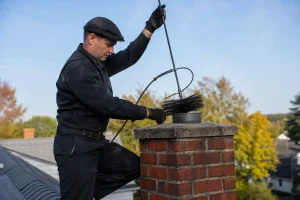
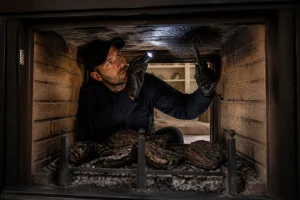
Preventative care is paramount. Schedule annual chimney inspections and cleanings, particularly if you use your fireplace regularly. For dryer vents, professional cleaning every 1-2 years is recommended, or more frequently for larger families or commercial settings. This removes both potential attractants and dangerous fire hazards. Regular “Preventative Maintenance (Ducts)” is not just about efficiency; it’s a vital defense against unwanted guests. Our team at Duct Duct Ccleaning LLC understands that a clean system is a pest-free system.
Mistake #3: Attempting DIY Critter Removal or Quick Fixes
In a rush to resolve a critter problem, many New Yorkers might be tempted to handle the situation themselves, leading to ineffective or even dangerous outcomes. Attempting to dislodge animals without proper training or equipment can result in injury to both the homeowner and the animal. Furthermore, an incomplete removal might leave behind offspring, nesting materials, or carcasses, which can cause foul odors, attract more pests, and spread disease. Merely patching a hole with inadequate materials often leads to the animal finding another entry point or simply chewing through the temporary repair.
When you suspect an animal has breached your chimney or dryer vent, it’s crucial to contact professionals experienced in safe removal and exclusion. We can safely remove the animal, thoroughly clean the contaminated area, and then professionally seal all potential entry points. This approach often involves comprehensive strategies like “Duct Sealing for Extermination Services” to ensure long-term effectiveness. Remember, wild animals can carry diseases such as rabies, distemper, or parasites, making direct contact risky. Our experts use specialized tools to ensure humane removal and thorough sanitization.
Mistake #4: Underestimating the Perseverance of Urban Wildlife
New York City’s wildlife is notoriously resourceful and resilient. From the squirrels scampering across Central Park to the raccoons foraging in Astoria, these creatures have adapted remarkably well to urban environments. A common mistake is underestimating their determination to find a warm, safe spot for nesting, especially during harsh winters or breeding seasons. They can chew through surprisingly tough materials and exploit the smallest weaknesses in your home’s exterior.
Effective critter prevention requires understanding this persistence. Investing in high-quality, animal-proof chimney caps and dryer vent covers installed by professionals is non-negotiable. These aren’t just covers; they are strategic barriers designed to withstand constant challenges. For comprehensive protection, consider contacting experts like Duct Duct Ccleaning LLC in Chicago or Duct Duct Ccleaning LLC in Boston, as the expertise translates across similar dense urban landscapes. It’s about proactive defense, ensuring there are no weak points for critters to exploit. A professional inspection by Duct Duct Ccleaning LLC can identify these vulnerabilities before they become full-blown infestations, preventing costly damage and unsanitary conditions.
Frequently Asked Questions About Critter Prevention
- Q1: What kinds of animals typically get into chimneys and dryer vents?
A1: Common culprits include birds (especially starlings and sparrows), squirrels, raccoons, mice, and sometimes bats. Their attraction is shelter, warmth, and a safe nesting site. - Q2: How can I tell if an animal is in my chimney or dryer vent?
A2: Listen for scratching, chirping, or rustling noises. You might also notice unusual odors, poor airflow from your dryer, or visible nesting materials around the opening. - Q3: Is it dangerous to have animals in my chimney or dryer vent?
A3: Yes, it is. Animals can spread diseases, create fire hazards (especially in dryer vents and with nesting materials in chimneys), block airflow, and cause structural damage. - Q4: Can I remove an animal from my chimney or vent myself?
A4: It’s strongly discouraged. Animals can be aggressive when cornered, carry diseases, and amateur removal often causes more harm than good, leaving behind parts of the nest or distressed animals. - Q5: How often should I have my chimney and dryer vent inspected?
A5: Both should be inspected annually. Chimneys may need cleaning more frequently depending on use, and dryer vents typically every 1-2 years or if you notice performance issues. - Q6: What if I have a gas furnace vent instead of a fireplace chimney? Can critters get in there too?
A6: Absolutely. Critters can and often do enter gas furnace vents for warmth and shelter. Ensuring these vents are properly capped and screened is just as important as with chimneys.
Protecting your home from unwelcome wildlife requires diligence and professional expertise. By avoiding these common mistakes, you can ensure your chimney and dryer vents remain clear, safe, and critter-free. Don’t wait for the tell-tale rustle or the persistent scratching. Be proactive.
If you’re in the Cherry Hill, NJ area and suspect a critter intrusion or simply need professional chimney or dryer vent services to prevent one, contact Duct Duct Ccleaning LLC. Our certified