Maximizing Fireplace Efficiency: A Homeowner’s Guide for Pittsburgh, PA
Ah, the classic Pittsburgh winter evening. You’ve got the Terrible Towel draped just right, a pierogi-inspired dish simmering, and a roaring fire blazing in your fireplace. Yet, despite the crackling logs, there’s still that chill creeping around your ankles, leaving you wondering if your fireplace is actually warming your home or just offering a pretty, albeit expensive, light show. Sound familiar? You’re not alone. Many homeowners in places like Squirrel Hill, Mt. Washington, or even out in Wexford, grapple with fireplaces that look impressive but fall short on actual heating prowess. But fret not, yinzer, because boosting your fireplace’s efficiency isn’t rocket science, though it often involves avoiding a few common pitfalls. Let’s dig into the mistakes that might be costing you warmth and money!
Mistake #1: Skipping the Annual Chimney Sweep (Because “It Looks Fine!”)
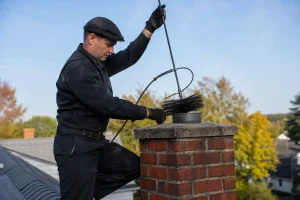
This is probably the biggest offender, hands down. Just because you don’t see a pile of soot raining down doesn’t mean your chimney is clean. Every time you light a fire, a substance called creosote builds up inside your chimney flue. It’s highly flammable, highly insulating (which is bad for efficiency), and can restrict airflow, leading to smoke issues and a seriously inefficient burn. Think of it like clogged arteries for your home’s warmth delivery system!
The Fix: Get your chimney professionally inspected and cleaned annually. According to the Chimney Safety Institute of America (CSIA), over 25,000 chimney fires occur annually in the U.S., many due to creosote buildup. A professional service by experts like those you can find with Duct Duct Ccleaning LLC in Pittsburgh will ensure your flue is clear, safe, and ready to perform efficiently. Don’t risk a costly (and dangerous) fire, or simply wasting precious heat. Your warm feet will thank you.
Mistake #2: Ignoring Damper and Flue Functionality
You wouldn’t leave a window open in the middle of January, right? But an open or poorly sealed damper is essentially the same thing – a direct highway for your warm, indoor air to escape straight out the chimney. An open damper can suck up to 8% of your furnace-heated air right out of your house, even when there’s no fire! That’s like waving goodbye to your energy budget.
The Fix: Ensure your damper closes completely when not in use. Check for rust, damage, or gaps. If it’s not sealing correctly, you might be looking at a repair or even a replacement with a top-mounted damper for a superior seal. A professional chimney service will assess your damper’s condition as part of their inspection, offering solutions that keep your hard-earned warmth where it belongs – inside your comfortable Pittsburgh home.
Mistake #3: Burning the Wrong Fuel (Your Fireplace Isn’t a Trash Can!)
While that old cardboard box or piece of construction lumber might seem like easy kindling, burning anything other than seasoned, dry hardwood is a big no-no for efficiency and safety. Green wood or softwoods contain a high moisture content, which means much of your fire’s energy goes into drying out the wood rather than producing heat. This also leads to more smoke and, you guessed it, more creosote.
The Fix: Stick to wood that has been properly seasoned (dried) for at least 6-12 months. Seasoned wood typically makes a nice “thunk” sound when hit together, whereas green wood sounds dull. It also shows cracks at the ends and the bark is often loose. Avoid burning trash, plastics, or treated lumber, which release toxic fumes and can damage your chimney. For folks across the country, whether you’re in a brisk New England climate or pondering fire safety with Duct Duct Cleaning LLC in Cherry Hill, NJ, this rule holds true: quality fuel equals a quality fire.
Mistake #4: Underestimating the Power of a Fireplace Insert or Glass Doors
An open masonry fireplace is notoriously inefficient, often pulling more heat out of your home than it provides. You’re losing heat through the chimney and radiant heat loss through the fireplace opening. This is why you feel that chill even with a crackling blaze.
The Fix: Consider installing glass fireplace doors. They help reduce heat loss up the chimney when the fire is dying down and also keep cold air from drafting into the room. Even better, a professionally installed fireplace insert can transform your inefficient fireplace into a powerful heating appliance. These sealed units with blowers can often heat multiple rooms and boast significantly higher efficiency ratings, making your winter heating much more effective and perhaps even rivaling the overall home comfort achieved by optimizing elements like duct sealing for compliance services.
Mistake #5: Neglecting Your Home’s Overall Airflow and Ventilation
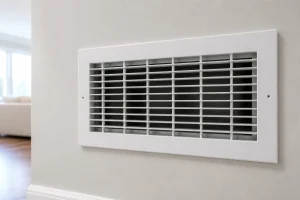
Your fireplace doesn’t exist in a vacuum (pun intended!). Its performance is intimately linked to your home’s entire air pressure system. Drafts from poorly sealed windows, leaky air ducts, or insufficient home ventilation can create negative pressure, pulling smoke back into your living room (not a fun experience in your South Side loft!). Furthermore, for optimal efficiency, it’s not just about what goes out the chimney, but also how efficiently air circulates within the rest of your home, something closely tied to air duct cleanliness.
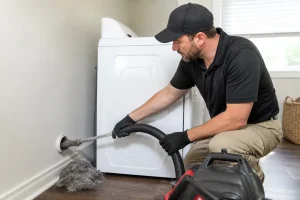
The Fix: While we primarily focus on chimney care, air duct cleaning and dryer vent cleaning are also crucial for overall home health. When your air ducts are clean, your HVAC system works less to move air, creating a more balanced interior pressure. A well-balanced home means your fireplace draws better, and your indoor air quality is improved. Think about it: ensuring the cleanest air possible for your family, similar to the meticulous care in duct sealing for semiconductor manufacturing facilities, helps everything function better. Duct Duct Ccleaning LLC understands the interconnectedness of your home’s air systems. If you’re pondering chimney, air duct, or dryer vent solutions, even if you’re far from the Steel City, perhaps considering Duct Duct Ccleaning LLC in Houston, the principles of maintaining healthy air pathways are universal. For specific services in our primary Cherry Hill area, give us a ring at (609) 507-0043.
By avoiding these common mistakes, you can transform your chilly hearth into a genuinely efficient and warm center for your Pittsburgh home this winter!
Frequently Asked Questions About Fireplace Efficiency & Safety
Q1: How often should I have my chimney cleaned?
A: The National Fire Protection Association (NFPA) recommends annual inspections and cleaning. This prevents creosote buildup, detects potential hazards, and ensures efficient operation.
Q2: Can I use a gas log set in my wood-burning fireplace?
A: Yes, but it requires specific ventilation and connections. It’s crucial to have a professional install and inspect gas log sets to ensure proper venting and prevent carbon monoxide buildup.
Q3: What’s the best type of wood for burning in a fireplace?
A: Seasoned hardwoods like oak, maple, hickory, or ash are ideal. They burn hotter, longer, and produce less creosote than softwoods or unseasoned wood.
Q4: My fireplace always smokes. What could be the problem?
A: Common causes include a blocked flue (creosote, debris, animal nests), a closed or partially closed damper, burning unseasoned wood, or a lack of combustion air. A professional inspection is essential to diagnose and fix