Chicago Fireplace Safety: Navigating Modern Codes for Historic Hearth Installations
The crackle of a warm fire on a blustery Chicago night, especially in a beautiful historic home in Lincoln Park or Lakeview, is an undeniable comfort. But imagine this: one evening, instead of the comforting aroma of burning wood, a acrid smell fills your living room. Smoke billows not up the chimney, but back into your home, setting off carbon monoxide detectors. Flames flicker dangerously close to the mantelpiece, fueled by years of creosote buildup in an unlined, uninspected flue. This isn’t just an inconvenience; it’s a terrifying, potentially deadly scenario that plays out in homes across the nation each year, often in cherished historic properties where fireplaces predate modern safety standards. At Duct Duct Ccleaning LLC, we understand the deep connection you have to your home’s historic charm, and the concern that comes with ensuring its safety. This checklist is designed to help you proactively navigate Chicago’s modern fireplace codes and ensure your historic hearth remains a source of warmth, not worry.
Decoding Chicago’s Fireplace Code Landscape for Historic Homes
Chicago’s building codes are designed to protect residents, and while they respect the city’s architectural heritage, they prioritize safety above all else. Older fireplaces, while beautiful, often lack the materials and construction methods mandated today. For instance, chimney fires, primarily caused by creosote buildup, account for roughly 25,000 residential fires annually in the U.S. Understanding how your historic chimney stacks up against these standards is the first step toward prevention.
- Know Your Chimney’s History: Before any work begins, research your home’s construction year and any prior renovations. This helps Duct Duct Ccleaning LLC in Chicago (and expert technicians everywhere) understand the existing structure and potential code gaps.
- Permitting Requirements: Any significant alteration or repair to a chimney in Chicago typically requires a permit from the Department of Buildings. Don’t bypass this step; it ensures inspections and compliance.
- Professional Assessment is Key: Don’t guess. A certified chimney professional familiar with Chicago’s codes will conduct a thorough Level 2 inspection (as per NFPA 211 standards) to assess structural integrity, clearances, and creosote levels.
Your Historic Hearth Safety Checklist for Compliance
Ensuring your beloved fireplace meets current safety standards requires attention to detail. This isn’t just about avoiding fines; it’s about safeguarding your home and family, especially important in a city like Chicago where historic architecture is abundant in neighborhoods from Old Town to Hyde Park.
- Lining Integrity: Many historic chimneys lack modern flue liners or have severely deteriorated ones. Current codes often mandate a continuous, sound, and properly sized flue liner. If yours is cracked, missing, or compromised, a stainless steel or refractory cement liner upgrade is usually necessary. This is one of the most crucial updates for fire safety and efficient drafting.
- Clearance to Combustibles: Ensure that combustible materials (wood framing, insulation) are kept at a safe distance from the chimney flue and firebox. Older constructions might have insufficient clearance, a significant fire hazard. Modern codes specify minimum distances, usually 2 inches from the chimney’s exterior and 6-12 inches from the firebox opening.
- Hearth Extension and Firebox Condition: Inspect your hearth extension for proper size and material (non-combustible). The firebox itself must be free of cracks, spalling bricks, or deteriorating mortar that could allow heat or flames to escape.
- Smoke Chamber Smoothness: The smoke chamber (the area directly above the firebox) should be smooth and free of obstructions to facilitate proper smoke flow. Rough surfaces can accumulate creosote and impede drafting.
- Damper Functionality: A well-sealing damper is crucial for both efficiency and preventing downdrafts. Ensure it operates smoothly and creates a tight seal when closed to prevent heat loss and animal entry.
Advanced Measures for Optimal Fireplace Function
Beyond meeting the minimum code requirements, taking proactive steps ensures your fireplace operates efficiently and safely for years to come. Think of it as a holistic approach to your home’s thermal health, much like how proper duct sealing for salons or duct sealing for computer maintenance spaces improves air quality and energy efficiency in commercial settings. For residential fireplaces, it’s about safety and performance.
- Regular Inspections: Even if you don’t use your fireplace often, an annual inspection by a certified professional is paramount. Creosote buildup isn’t the only concern; animal nests, deteriorating mortar, or storm damage can compromise safety.
- Professional Chimney Sweeping: If you burn wood, yearly sweeping is a non-negotiable. This removes dangerous creosote buildup, significantly reducing the risk of chimney fires. Remember, even a small fire can cause extensive damage and pose a carbon monoxide risk. Duct Duct Ccleaning LLC in New York stresses the importance of routine maintenance for urban dwellers, a principle that applies equally to historic Chicago homes.
- Carbon Monoxide Detectors: Install and regularly test carbon monoxide detectors on every level of your home, especially near sleeping areas and your fireplace. A properly functioning chimney prevents CO from entering your home, but detectors provide a critical backup.
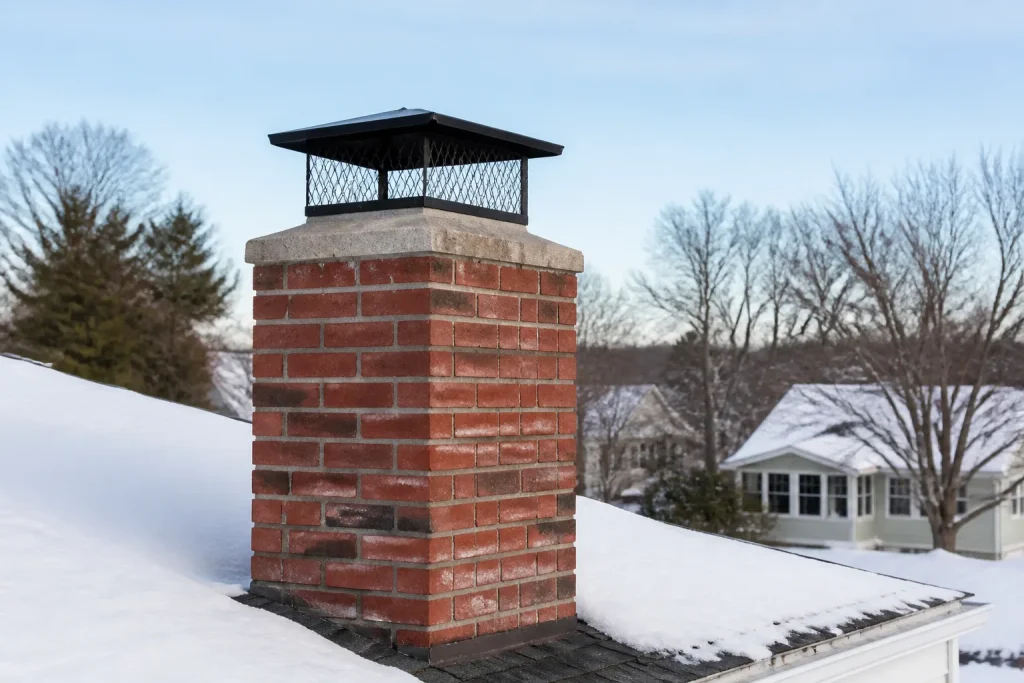
- Cap and Crown Care: A proper chimney cap prevents rain, snow, and animals from entering the flue, while a well-maintained chimney crown protects the chimney structure from water damage. Both are vital for long-term durability and safety.
Navigating Common Challenges and Misconceptions for Historic Hearths
Owners of historic Chicago homes often face unique challenges. The very charm of an antique fireplace can sometimes conceal hidden dangers or present hurdles in achieving modern code compliance. For example, homes in areas like Wicker Park with its turn-of-the-century architecture, require a delicate balance between preservation and practical safety. Our team at Duct Duct Ccleaning LLC brings years of expertise to these intricate issues.
- Myth: “It’s always worked fine, so it’s safe now.” Reality: Building materials deteriorate over time. What was safe 50, 100, or 150 years ago may not meet today’s understanding of fire safety, especially with the increased use of high-efficiency wood stoves in some converted fireplaces.
- Challenge: Finding Compatible Materials. While historic preservation is important, safety upgrades should always take precedence. Expert chimney technicians can often find modern materials that blend seamlessly with older structures, ensuring both aesthetics and safety.
- Misconception: “I don’t need an inspection if I don’t use it.” Reality: Even unused chimneys can deteriorate, leading to structural problems, animal infestations, or blockages that could affect your home’s air quality or structural integrity.
- Expertise Matters: Always seek out certified and experienced chimney professionals. Their knowledge of both historic building practices and current Chicago codes is invaluable. Consider a company like Duct Duct Ccleaning LLC in Boston, who, like us, specialize in a range of services from comprehensive chimney cleaning to dryer vent maintenance, understanding the nuances of different city environments.
Frequently Asked Questions About Historic Fireplace Safety
- Q1: How often should a historic chimney be inspected?
- A1: The Chimney Safety Institute of America (CSIA) recommends annual inspections for all chimneys, regardless of use. If you use your fireplace regularly, annual cleaning is also crucial.
- Q2: Can I use my historic fireplace if it doesn’t have a modern liner?
- A2: This depends on its condition and local codes. Many historic chimneys, if unlined or if the original clay tile liner is compromised, are not safe for use with solid fuels. A professional inspection is essential to determine if relining is required for safe operation.
- Q3: What are the signs my fireplace needs immediate attention?
- A3: Cracks in the firebox or chimney, smoke entering the room, unusual odors, strange noises (animal activity), or water stains around the fireplace or chimney are all red flags requiring prompt professional inspection.
- Q4: Will modernizing my historic fireplace ruin its aesthetic?
- A4: Not necessarily. Reputable professionals specialize in solutions that enhance safety without compromising the historical integrity or charm of your fireplace. Modern liners, for example, are internal and not visible.
- Q5: What’s the biggest risk with an old, uninspected chimney?
- A5: The biggest risks are chimney fires due to creosote buildup, and carbon monoxide poisoning due to blockages or compromised flues allowing dangerous gases to backdraft into your home.
- Q6: How does Cherry Hill, NJ, relate to Chicago’s fireplace codes?
- A6: While our primary service area is Cherry Hill, NJ, and surrounding communities, the principles of chimney safety and compliance with local codes are universal. Our extensive experience across various regions, like those we serve with Duct Duct Ccleaning LLC, equips us with the foundational knowledge to understand and discuss complex safety regulations wherever they apply. We believe in sharing expert knowledge to keep all homes safe.
Partnering for Your Peace of Mind
Navigating modern codes for your historic Chicago fireplace doesn’t have to be a source of stress. With the right information and professional support, you can enjoy the timeless charm of your hearth with complete peace of mind. Whether you’re in a charming bungalow in Ravenswood or a grand old home in Kenwood, proactive chimney and fireplace maintenance is key to safety and enjoyment.
Don’t wait for a worst-case scenario. Take control of your home’s safety today