Cherry Hill Homeowners: How a Clogged Dryer Vent Impacts Your Appliance’s Performance
Cherry Hill Homeowners: When Your Dryer Becomes a Drama Queen, Blame the Vent!
Imagine this: It’s a crisp Cherry Hill morning, the kind that makes you want to crank up the heat and then, uh oh, realize your laundry basket is overflowing like a runaway dumpster at the annual Garden State Horse Show. You toss in a load of towels, ready for that fluffy, warm, just-off-the-heat embrace. You press start, hear the familiar rumble, and then… silence. Not the peaceful kind. The “what the heck is going on?” kind. You check the display. It’s taking FOREVER. The clothes are still damp. Even worse, you notice a faint, unsettling warmth emanating from the dryer itself. You open the door, and instead of a comforting heat wave, you get a puff of… suspiciously warm, dusty air. Panic might set in. Is this a dryer malfunction? A ghost in the machine? Nope, it’s far more mundane, and frankly, a lot more flammable. It’s a clogged dryer vent, and it’s turning your trusty appliance into a dramatic diva.
But don’t fret, fellow Cherry Hill residents! Before you call for an exorcism or start eyeing that new energy-efficient model with a suspicious glare, let’s talk about prevention and the surprisingly dramatic impact a clogged dryer vent can have on your home and your sanity. We’re here at Duct Duct Ccleaning LLC to shed some light (and lint) on this crucial home maintenance task. We’ve seen it all, from a dryer vent so choked with lint it looked like a giant, fuzzy python, to dryers so overworked they were practically begging for a spa day. Keeping that vent clear isn’t just about getting dry clothes; it’s about appliance longevity, energy savings, and most importantly, your family’s safety. Let’s dive into how this often-overlooked pathway can seriously mess with your dryer’s performance, and what you can do about it.
The Great Lint Conspiracy: How Clogs Form
So, how does a dryer vent go from a clear conduit to a lint-laden landmine? It’s a slow and steady process, much like the inevitable accumulation of leaves in your gutters after a fall storm here in Cherry Hill. Every time you run your dryer, a bit of lint escapes the lint trap (yes, even if you clean it religiously, some sneaks through). This fine, fluffy debris travels with the hot, moist air into the dryer vent, which is essentially a long, winding tunnel that leads from your dryer to the outside of your home. Over time, this lint accumulates. It clings to the interior walls of the vent, gradually narrowing the passage. Think of it like building a dam in a small creek; eventually, the water flow is severely restricted.
This isn’t just about aesthetics. The more lint that builds up, the harder your dryer has to work to push that hot, moist air out. This leads to a cascade of problems. First, the airflow is compromised. Instead of a strong, consistent expulsion of air, it becomes sluggish and weak. This means the moisture from your clothes doesn’t get effectively removed. Second, that trapped heat has nowhere to go. It starts to build up inside the dryer, and in the vent itself, creating a dangerously hot environment. Studies have shown that a significant percentage of residential fires start with clothes dryers, and clogged vents are a major culprit. It’s not just a minor inconvenience; it’s a serious fire hazard that can escalate quickly, especially with the humid summers we sometimes experience here in South Jersey.
The ‘Takes-Forever-to-Dry’ Phenomenon: A Clue, Not a Curse
One of the most obvious signs of a clogged dryer vent is, well, the fact that your clothes take forever to dry. You might be accustomed to a cycle lasting 45-60 minutes, but suddenly, you’re looking at two or even three cycles for a single load of laundry. This isn’t a sign that your dryer is suddenly getting lazy; it’s a desperate cry for help. When the vent is blocked, that hot air, which is supposed to be efficiently whisking away moisture, is struggling to escape. This means the air inside the drum is recirculating, not effectively removing the dampness. It’s like trying to dry off after a shower with a damp towel – it’s just not going to cut it!
This prolonged drying time also means your dryer is running much longer than it should. This increased usage translates directly into higher energy bills. Your electric meter (or gas meter) will be spinning like a record at a classic rock concert. You might find yourself asking, “Is my dryer on the fritz?” when in reality, it’s just being suffocated by lint. Think about the frustration of having to re-dry clothes, the wasted electricity, and the constant hum of a dryer working overtime. It’s a cycle of inefficiency and expense that can easily be avoided with proper vent maintenance, something our team at Duct Duct Ccleaning LLC specializes in.
Beyond Dampness: Other Dryer Disasters Lurking in the Lint
The impact of a clogged dryer vent goes far beyond just having damp clothes. Let’s explore some of the other not-so-fun consequences:
- Overheating Appliance: As mentioned, that trapped heat has to go somewhere. This excessive heat can damage the internal components of your dryer, leading to costly repairs or even premature replacement. Think of it as giving your dryer a constant, low-grade fever. It’s not good for its long-term health.
- Musty Odors: When moisture isn’t properly vented, it can linger inside your dryer and vent system. This stagnant, damp environment is a breeding ground for mold and mildew, which can impart unpleasant musty odors to your clean laundry. Suddenly, those freshly washed clothes smell less like sunshine and more like a damp basement.
- Increased Fire Risk: This is the big one, folks. Lint is highly flammable. When it accumulates in the vent, especially near the heating element of your dryer, it creates a serious fire hazard. A spark, static electricity, or even just the extreme heat can ignite the lint, leading to a fire that can spread rapidly throughout your home. It’s a scary thought, especially when you consider the potential for damage. According to the National Fire Protection Association (NFPA), clothes dryers are involved in about 13,000 home fires annually, and failure to clean is the leading contributing factor.
- Reduced Air Quality: While not as immediately dramatic as a fire, a clogged vent can also negatively impact your home’s indoor air quality. When the dryer struggles to vent, it might push some of that lint and dust back into your living space, contributing to dust buildup and potentially exacerbating allergies or respiratory issues for sensitive individuals. This is especially relevant if you’re looking into broader air quality solutions, like warehouse HVAC cleaning for larger structures or ensuring your residential air ducts are pristine.
- Increased Wear and Tear: Your dryer is designed to work efficiently with proper airflow. When that airflow is obstructed, the motor and other components are put under immense strain. This leads to accelerated wear and tear, shortening the lifespan of your appliance. It’s like constantly asking someone to run a marathon uphill in thick mud – they’re not going to last very long.
In Cherry Hill, where we often deal with humid conditions, the moisture buildup in a clogged vent can be even more pronounced, accelerating the potential for mold and mildew issues. If you’re concerned about overall air quality, remember that a clean dryer vent is just one piece of the puzzle. Ensuring your air ducts are free from debris is also crucial for healthy indoor air.
The ‘Before and After’: A Tale of Two Dryers
Let’s paint a picture. On one side, we have the “Before” dryer. It’s the one that’s been taking three cycles to dry a load of delicates. The clothes come out only slightly less damp than when they went in, with a hint of a smoky smell. The dryer itself feels unusually hot to the touch, and you find yourself constantly cleaning the lint trap, only to find more lint appearing stubbornly in the vent hose. You might even notice a strange rattling noise, a sign that the motor is struggling. This is a dryer in distress, and it’s costing you money in energy bills and putting your home at risk.
Now, imagine the “After” dryer. After a professional cleaning from Duct Duct Ccleaning LLC, this dryer is singing. Clothes come out perfectly dry in a single cycle. The dryer runs cooler and quieter. The lingering musty odors are gone, replaced by the clean scent of laundry. You feel a sense of relief knowing that the fire risk has been significantly reduced. Your energy bills start to drop, and your dryer’s lifespan is extended. This isn’t magic; it’s the power of a clean, unobstructed dryer vent. It’s the difference between a hardworking, reliable appliance and one that’s perpetually on the verge of a breakdown and a potential fire hazard. The comparison is stark and undeniably in favor of a well-maintained vent.
The DIY Dilemma vs. Professional Power
Now, you might be thinking, “I can just handle this myself!” And sure, for the casual lint trap cleaning, you absolutely can and should! But tackling the entire dryer vent system is a different beast. Many homeowners attempt to clean their dryer vents with brushes and vacuum attachments they buy from the hardware store. While this can help for a little while, it rarely gets to the root of the problem. Dryer vents can be long, winding, and often contain sharp bends or even sections where the ductwork has partially collapsed.
A professional dryer vent cleaning service, like the one offered by Duct Duct Ccleaning LLC, utilizes specialized equipment. We have high-powered vacuums and rotating brush systems that can reach deep into the vent line, dislodging even the most stubborn and compacted lint. We can also identify and address any potential issues within the vent system, such as leaks, kinks, or improper installation, that a DIY attempt might miss. For instance, if you’re dealing with a particularly complex system or have suspicions about deeper issues, trying to force it can sometimes do more harm than good. Consider the complex networks of pipes and ducts that require specialized knowledge for maintenance, like those found in duct sealing for utility infrastructure; dryer vents, while smaller, can have their own intricacies. This isn’t just about removing lint; it’s about a thorough inspection and cleaning to ensure optimal performance and safety. We’re talking about comprehensive cleaning, similar to the detailed work involved in duct sealing for training services, ensuring every nook and cranny is addressed.
Prevention is Key: Making Your Dryer Happier (and Safer!)
The good news is that preventing a clogged dryer vent isn’t rocket science. It’s about consistent habits and a little bit of foresight. Here’s how you can keep your dryer running smoothly and safely:
- Clean the Lint Trap After Every Load: This is non-negotiable. Seriously, it takes 30 seconds and prevents a significant amount of lint from ever entering the vent. Think of it as the first line of defense!
- Regularly Inspect the Vent Hose: Every few months, pull your dryer out slightly and inspect the flexible hose connecting it to the wall. Make sure it’s not kinked, crushed, or damaged. A damaged hose can restrict airflow.
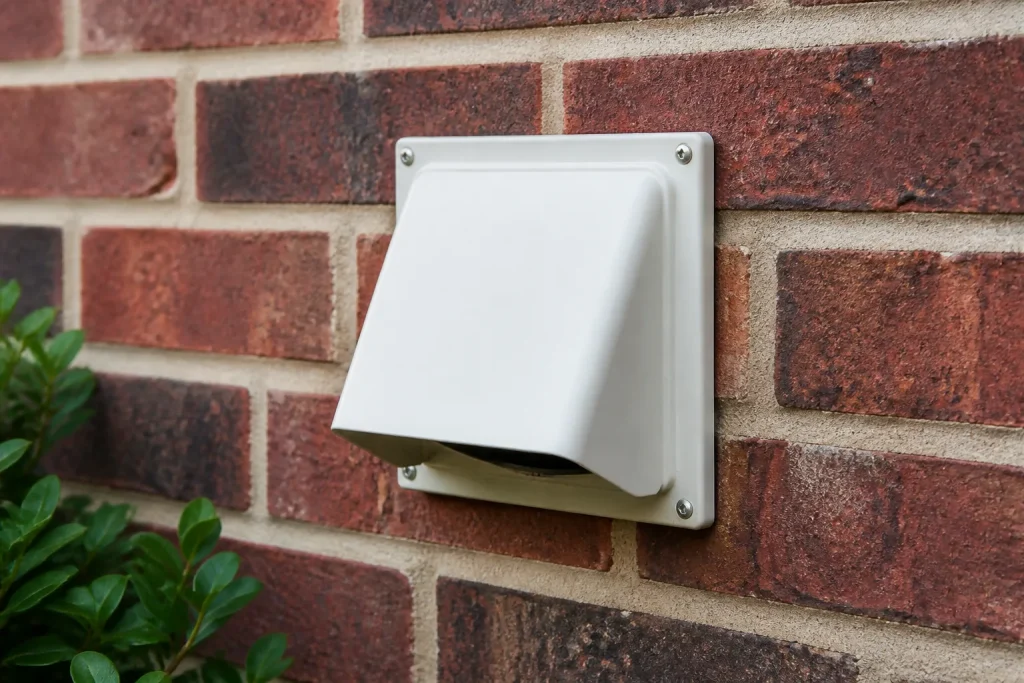
- Check the Exterior Vent Flap: Go outside and locate where your dryer vent exits your house. Make sure the flap opens freely when the dryer is running and isn’t obstructed by debris, snow (if applicable to our Cherry Hill winters), or nesting animals.
- Consider Vent Material: If your vent hose is made of plastic or vinyl, consider upgrading to a semi-rigid or rigid metal duct. These are more durable, less likely to collapse, and less prone to lint buildup.
- Schedule Professional Cleanings: This is where we come in! We recommend a professional dryer vent cleaning at least once a year, or more often if you have a large family or do a lot of laundry. This ensures that any buildup that the lint trap misses is thoroughly removed, preventing potential hazards and performance issues. Think of it as an annual tune-up for your laundry room’s most crucial, yet often forgotten, component. We proudly serve Cherry Hill and surrounding areas, and our team is equipped to handle any dryer vent situation. Don’t wait for your dryer to start acting like a temperamental diva; be proactive!
While we’re passionate about dryer vent cleaning, we also understand the importance of overall home air quality and chimney maintenance. If you’re looking for comprehensive solutions, remember that professional services in areas like Chicago, such as Duct Duct Ccleaning LLC in Chicago, or even in historic cities like Duct Duct Ccleaning LLC in Boston, offer similar dedication to thoroughness. And for those closer to home, our sister city services in Duct Duct Ccleaning LLC in Philadelphia highlight the consistent quality we aim for.
Frequently Asked Questions about Dryer Vents
Q1: How often should I clean my dryer vent?
A: For most households, a professional cleaning once a year is sufficient. However, if you have a large family, do a significant amount of laundry, or notice that your clothes are taking longer to dry, you may need more frequent cleanings, potentially every 6 months.
Q2: What are the biggest signs my dryer vent is clogged?
A: The most common signs include clothes taking longer than usual to dry, the dryer feeling excessively hot to the touch, a burning smell, or a significant increase in your energy bills related to laundry.
Q3: Can I clean my dryer vent myself?
A: You can certainly clean the lint trap and the accessible parts of the vent hose yourself. However, for a thorough cleaning of the entire duct system, especially the parts hidden within walls or floors, professional equipment and expertise are highly recommended.
Q4: Is a clogged dryer vent really a fire hazard?
A: Absolutely. Lint is a highly flammable material. Accumulation in the dryer vent, particularly near the heating element, significantly increases the risk of a dryer fire. The NFPA consistently reports dryer fires as a serious issue.
Q5: How long does a professional dryer vent cleaning take?
A: The process typically takes between 30 minutes to an hour, depending on the length and complexity of your dryer vent system. Our technicians are efficient and thorough.
Q6: Does cleaning my dryer vent actually save me money?
A: Yes! A clean vent allows your dryer to operate more efficiently, meaning it uses less energy to dry your clothes. This directly translates into lower utility bills. It also prevents costly repairs or early replacement of your appliance.
Don’t Let a Clogged Vent Turn Your Laundry Day into a Disaster!
Your dryer is an unsung hero of modern life, but it can’t do its job effectively (or safely!) if its airway is choked with lint. A clogged dryer vent is more than just an inconvenience; it’s a performance killer, an energy drain, and a serious fire hazard. Don’t wait for your dryer to start acting up and potentially put your Cherry Hill home at risk. Keep your clothes fluffy, your energy bills down, and your family safe by ensuring your dryer vent is clean and clear.
For professional, thorough, and reliable dryer vent cleaning services right here in Cherry Hill, NJ, trust the experts at Duct Duct Ccleaning LLC. We’re dedicated to keeping your home safe and your appliances running at their best. Give us a call today to schedule your appointment at (609) 507-0043 and experience the difference a clean vent can make!