The Essential Philadelphia Guide to Preventing Chimney Fires This Winter
As the crisp autumn air gives way to the biting cold of a Philadelphia winter, does the thought of a warm, crackling fire fill you with comfort, or a hidden sense of dread? Preparing your home for the colder months is essential, and for those with fireplaces, ensuring chimney safety should be at the top of your checklist. Here at Duct Duct Ccleaning LLC, we’re dedicated to helping Cherry Hill and the greater Philadelphia area maintain safe, efficient homes. Let’s delve into the crucial steps to prevent chimney fires this season.
Why is Chimney Fire Prevention so Important in Philadelphia?
Philadelphia’s historic charm often means older homes, many equipped with traditional fireplaces and chimneys that have seen decades of use. While beautiful, these systems require diligent maintenance. Winter in the Delaware Valley can be harsh, prompting frequent fireplace use, which, if not properly managed, significantly increases the risk of chimney fires. According to the National Fire Protection Association (NFPA), solid-fuel heating equipment, which includes fireplaces and wood stoves, was the leading cause of home heating fire deaths from 2016-2020. This stark statistic underscores why understanding and preventing chimney fires is not just a recommendation, but a critical safety measure for homeowners, particularly in areas with established residential infrastructure like Society Hill or Fairmount.
What is Creosote and Why is it So Dangerous?
The Silent Igniter of Chimney Fires
Creosote is a highly flammable substance that forms as a byproduct of burning wood in your fireplace. When wood burns, unburnt gases, soot, and tar rise with the smoke. As these byproducts cool while moving up the chimney flue, they condense and stick to the inner walls, forming creosote. It can appear in various forms, from a flaky, powdery residue to a tar-like glaze. The dangers of creosote escalate with its buildup:
- Highly Flammable: Creosote can ignite at surprisingly low temperatures, leading to a chimney fire.
- Restricts Airflow: A thick layer of creosote reduces the flue’s diameter, impacting the fireplace’s efficiency and potentially pushing smoke and dangerous carbon monoxide back into your home.
- Damages Chimney Structure: Intense heat from a creosote fire can crack or deteriorate the chimney lining, allowing flames to spread to combustible parts of your home, an especially concerning risk for closely built row homes common throughout Philadelphia.
How Can Regular Chimney Sweeping Prevent Fires?
The Foundation of Chimney Fire Prevention
The single most effective way to prevent chimney fires is professional chimney sweeping. An annual inspection and cleaning by a certified professional will remove creosote buildup, blockages, and check for any structural damage that could compromise safety. For residents looking for expert Duct Duct Ccleaning LLC in Philadelphia services, we stress the importance of this annual ritual. Think of it like a dental check-up for your chimney – regular maintenance prevents major problems down the line. We recommend scheduling this service before the heating season begins, ideally in late summer or early autumn. This ensures your chimney is clean and ready for heavy use during winter, whether you’re cozied up in Manayunk or Chestnut Hill.
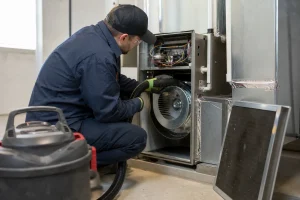
Our professional technicians at Duct Duct Ccleaning LLC are trained to identify and eliminate creosote effectively, ensuring your chimney is free of flammable deposits. This diligent care for your chimney system is a core component of our services, extending to other critical home systems like expert duct services and dryer vent cleaning to ensure comprehensive home safety.
What Else Can I Do to Minimize Fire Risks?
Beyond the Sweep: Everyday Practices for Safety
While professional cleaning is paramount, your daily habits play a significant role in chimney fire prevention:
- Burn Seasoned Wood: Always use dry, seasoned hardwood. Wet or “green” wood produces more smoke and, consequently, more creosote. Seasoned wood, typically dried for 6-12 months, burns hotter and cleaner.
- Control Fire Size: Avoid excessively large, roaring fires. Smaller, controlled fires are safer and burn more efficiently, producing less creosote.
- Proper Damper Usage: Ensure your damper is fully open when a fire is burning. A partially closed damper restricts airflow, leading to incomplete combustion and increased creosote formation.
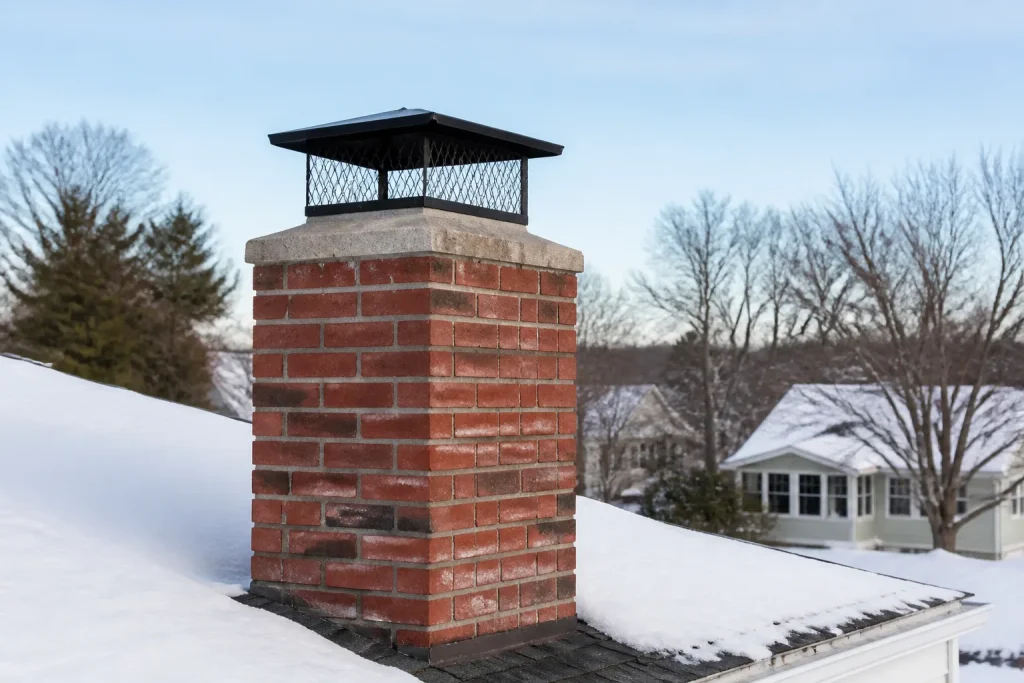
- Install a Chimney Cap: A chimney cap with a spark arrestor prevents embers from escaping and igniting nearby combustibles, protecting your roof and surroundings. It also keeps out rain, snow, and unwelcome critters.
- Keep Combustibles Away: Maintain a safe distance (at least 3 feet) between your fireplace and any flammable items like rugs, furniture, or holiday decorations.
- Check Smoke Detectors & Carbon Monoxide Detectors: Ensure all detectors are functional and have fresh batteries. This is non-negotiable for any home with a combustion appliance.
Why Choose Duct Duct Ccleaning LLC for Your Chimney Needs?
As a local company proudly serving Cherry Hill, NJ and the surrounding Philadelphia region, Duct Duct Ccleaning LLC understands the unique challenges and needs of homeowners in our climate. We bring unparalleled expertise and meticulous care to every job, from detailed chimney inspections and sweepings to thorough Duct Sealing for Computer Repair Shops—showcasing our comprehensive knowledge of ventilation and airflow dynamics, no matter the context. Our commitment to safety is evident in every service we provide. Whether you’re in the suburbs or downtown Philly, your safety is our priority. We uphold rigorous standards for Duct Duct Ccleaning LLC in Chicago and Duct Duct Ccleaning LLC in Boston too, ensuring consistent quality and reliability.
FAQ: Your Chimney Fire Prevention Questions Answered
Here are some common questions we hear regarding chimney safety:
- Q: How often should I have my chimney cleaned?
A: The Chimney Safety Institute of America (CSIA) recommends an annual inspection and cleaning for all chimneys, regardless of how often they are used. Heavy users might require more frequent cleanings. - Q: Can I clean my chimney myself?
A: While minor surface cleaning might be tempting, professional chimney sweeping is strongly advised. Specialists have the right tools, training, and experience to safely and thoroughly remove creosote and identify hidden issues. - Q: What are the signs of a chimney fire?
A: Signs can include a loud roaring noise, intense heat, dense smoke from the top of the chimney, flames or sparks shooting from the top, or a strong, hot smell. If you suspect a chimney fire, call 911 immediately. - Q: Does burning “chimney sweep logs” replace professional cleaning?
A: No. While these logs can help reduce some creosote, they are not a substitute for a professional inspection and mechanical cleaning. Think of them as supplemental treatment, not a cure. - Q: What’s the difference between a chimney inspection and a cleaning?
A: An inspection assesses the condition of your chimney structure and flue, looking for damage or blockages. A cleaning involves physically removing creosote, soot, and debris. They often go hand-in-hand, as an inspection dictates cleaning needs. - Q: Is poor fireplace draft related to fire risk?
A: Yes, a poor draft often indicates a blockage, like excessive creosote, or structural damage. Reduced airflow means incomplete combustion, leading to more creosote buildup and potentially pushing smoke and carbon monoxide into your home.
Ready to Ensure a Safe, Warm Winter?
Don’t wait until it’s too late. Protecting your home and family from the risks of a chimney fire is paramount. With the expertise of Duct Duct Ccleaning LLC, you can enjoy your fireplace with peace of mind. We provide comprehensive chimney services, air duct cleaning, and dryer vent cleaning to keep your home healthy and safe all year round.
Contact Duct Duct Ccleaning LLC today to schedule your annual chimney inspection