How Dirty Air Ducts Reduce HVAC Lifespan in Detroit Homes
As the brisk chill of winter slowly gives way to the burgeoning warmth of spring in places like Detroit, homeowners begin the seasonal ritual of transitioning their heating systems to cooling. This cyclical demand places immense strain on HVAC units, a cornerstone of comfort in regions experiencing drastic temperature swings. But what if a hidden culprit inside your home is silently accelerating the demise of your costly heating and cooling system? We sat down with Dr. Eleanor Vance, a leading expert in indoor air quality and mechanical systems longevity, to uncover how dirty air ducts significantly reduce HVAC lifespan, particularly in challenging environments like Detroit.
The Hidden Threat: Dirty Ducts in Detroit’s Climate
Interviewer: Dr. Vance, Detroit’s climate presents unique challenges, from bitterly cold winters to humid summers. How do these extreme conditions, coupled with the urban environment, exacerbate the problem of dirty air ducts and their impact on HVAC systems?
Dr. Vance: That’s an excellent question. Detroit homes, whether historic beauties in Palmer Woods or newer builds in Corktown, are subjected to a rigorous climate. HVAC systems here work overtime for much of the year. This constant cycling means a higher volume of air is pulled through the ductwork. Add to that Detroit’s urban dust, seasonal pollen, and even remnants of industrial pollutants from its history, and you have a perfect storm for particulate accumulation within your ducts. Each time the system runs, these contaminants are not only circulated but also begin to build up, acting as a corrosive agent and airflow resistor. This dramatically increases the burden on the system, shortening its functional life.
Air Ducts: The Lifeline of Your HVAC System
Interviewer: Can you explain the direct connection between dirty air ducts and the accelerated wear and tear on an HVAC system?
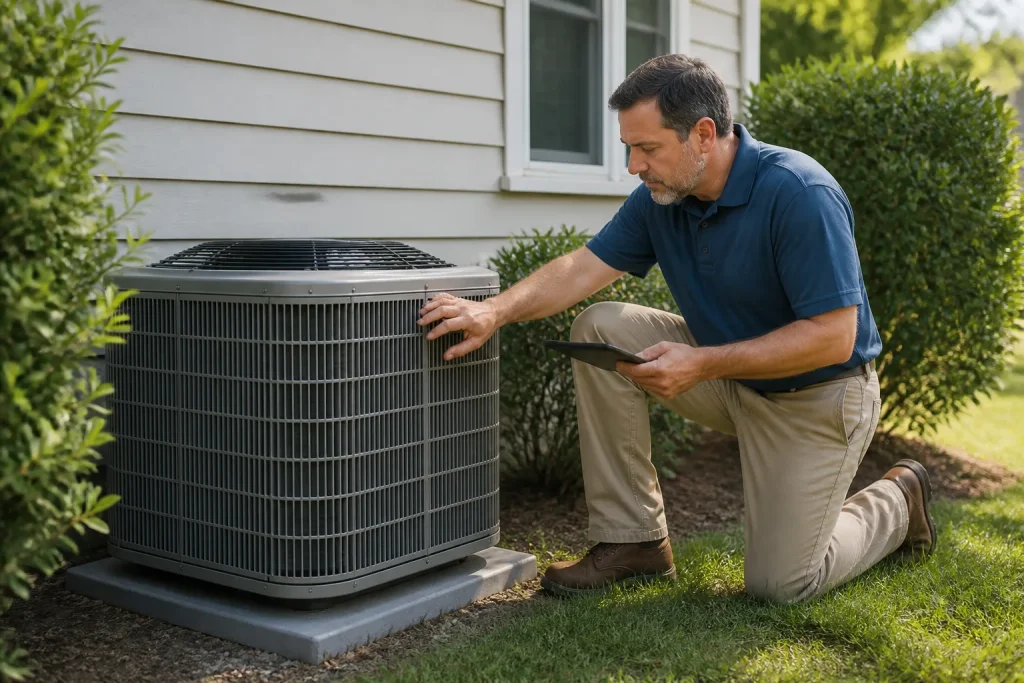
Dr. Vance: Absolutely. Think of your air ducts as the respiratory system of your home’s HVAC unit. When these ducts become laden with dust, dander, debris, and even mold, they restrict airflow. This restriction forces the blower motor to work harder and longer to push conditioned air through your home. This overexertion leads to several critical issues: premature motor failure, increased energy consumption (studies suggest up to 40% more energy usage in systems with dirty ducts), and accelerated wear on other vital components like the heat exchanger and evaporator coils. It’s a cascading effect, where one stressed part impacts the entire system’s efficiency and longevity. Ensuring proper airflow through thorough Return Air Grille Cleaning, for instance, is a critical first step.
The Mechanics of Deterioration: What Exactly Happens?
Interviewer: Delve a little deeper into the specific mechanical impacts of this debris build-up. What parts are most vulnerable, and how does the dirt directly contribute to their failure?
Dr. Vance: The blower motor, as mentioned, is highly susceptible to burnout due to continuous strain. Beyond that, the evaporator coil, responsible for cooling the air, can become coated in a layer of grime. This acts as an insulating barrier, preventing effective heat exchange and causing the unit to run longer, further stressing the compressor. For heating, the same principle applies to the heat exchanger; restricted airflow causes it to overheat. This isn’t just about general wear; it’s about specific components failing prematurely. Preventing this is why professional services like those offered by Duct Duct Ccleaning LLC are so vital. Whether it’s the general home environment or even complex systems requiring Duct Sealing for Cloud Administration, clean air pathways are paramount. For homeowners in Cherry Hill, NJ, you can reach Duct Duct Ccleaning LLC at (609) 507-0043 for expert air duct cleaning services.
Beyond Lifespan: Other Detrimental Effects
Interviewer: Besides reducing the HVAC system’s lifespan, what other significant downsides should homeowners consider when neglecting professional air duct cleaning?
Dr. Vance: The consequences extend far beyond mechanical failure. First and foremost is indoor air quality (IAQ). Dirty ducts become reservoirs for allergens, dust mites, pet dander, mold spores, and even bacteria. Every time the system activates, these particulates are dispersed throughout your home, potentially aggravating allergies, asthma, and other respiratory issues for residents, especially children and the elderly. Energy bills also skyrocket because the system has to work so much harder to achieve and maintain desired temperatures. While Duct Duct Ccleaning LLC primarily serves Cherry Hill, NJ, the principles of air duct health are universal, impacting homes from Detroit to Houston and Dallas. Embracing concepts like “Green Building Duct Cleaning” highlights the broader health and efficiency benefits.
Proactive Measures for Longevity: What Can Homeowners Do?
Interviewer: Given these substantial risks, what proactive steps do you recommend homeowners take to protect their HVAC systems and, by extension, their health and budget?
Dr. Vance: The most crucial step is scheduling regular, professional air duct cleaning. This isn’t just about surface-level dusting; it involves specialized equipment to dislodge and remove deeply embedded contaminants from the entire duct network. Beyond that, regular filter changes are paramount. Check your filters monthly and replace them as recommended by the manufacturer, typically every 1-3 months, especially if you have pets or allergies. And while industrial standards for something like Duct Sealing for Painting Facilities might seem far removed, the underlying principle of preventing contaminant ingress applies to residential systems too. Preventing leaks and ensuring proper sealing of your ductwork also minimizes dirt entry and maximizes system efficiency.
FAQ: Air Ducts, HVAC & Home Health
- Q1: How often should I have my air ducts professionally cleaned?
A1: Generally, experts recommend professional air duct cleaning every 3-5 years. However, factors like pets, allergies, recent home renovations, or occupants with respiratory conditions might warrant more frequent cleaning. - Q2: Can dirty air ducts really make my HVAC unit break down sooner?
A2: Yes, absolutely. Restricted airflow from dirty ducts forces your HVAC system to work harder, leading to premature wear and tear on components like the blower motor, compressor, and heat exchanger, significantly reducing its overall lifespan. - Q3: How can I tell if my air ducts are dirty without disassembling them?
A3: Common indicators include visible dust or debris around vents, increased dust accumulation on furniture shortly after cleaning, persistent musty odors when the HVAC system runs, higher energy bills, or a noticeable decrease in airflow from registers. - Q4: Will cleaning my air ducts improve my home’s indoor air quality?
A4: Yes. Professional air duct cleaning removes accumulated allergens, dust mites, pet dander, mold spores, and other contaminants, leading to a significant improvement in your home’s indoor air quality and often alleviating allergy and asthma symptoms. - Q5: Does dirty ductwork impact the efficiency of my dryer vent as well?
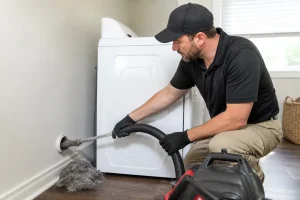
A5: While separate systems, a home with significant dust accumulation in air ducts often indicates a generally dusty environment, which can also contribute to dryer vent lint build-up. A clogged dryer vent, like dirty air ducts, reduces efficiency and poses a serious fire hazard, necessitating professional dryer vent cleaning services.
The health of your home’s HVAC system is intrinsically linked to the cleanliness of its air ducts. Don’t let neglected ductwork shorten the life of your expensive heating and cooling system or compromise your family’s indoor air quality. For comprehensive and professional air duct cleaning, chimney services, and dryer vent cleaning in Cherry Hill, NJ, trust the experts at Duct Duct Ccleaning LLC. Protect your investment and breathe easier. Call us today for a consultation: (609) 507-0043.