Maximizing Dryer Performance: Understanding Gas vs. Electric Dryer Vent Needs
As the crisp autumn air settles over Cherry Hill, signaling the approach of winter, many of us start relying more heavily on our home appliances. The thought of wet laundry hanging around on chilly days is enough to send anyone straight to the dryer. Yet, amidst the comfort of warm, freshly dried clothes, lies a hidden complexity: your dryer vent system. Often overlooked, understanding the specific needs of gas versus electric dryers is not just about efficiency; it’s a critical safety concern, especially when the heating season demands peak performance from all your home’s systems.
At Duct Duct Ccleaning LLC, we frequently encounter homeowners in neighborhoods like Barclay-Kingston and Woodcrest who are unaware that their dryer’s power source dictates unique ventilation requirements. This guide will walk you through the essential differences, ensuring your dryer operates safely and efficiently all year long, particularly as cooler temperatures necessitate more indoor drying.
The Core Difference: Gas vs. Electric Dryers and Their Venting
While both gas and electric dryers perform the same primary function—removing moisture from clothes—their operational mechanisms lead to distinct venting needs. This distinction is paramount for safety, efficiency, and longevity of the appliance.
Gas Dryers: Combustion and Carbon Monoxide
Gas dryers heat clothes through the combustion of natural gas or propane. This process generates hot air, but it also produces byproducts, most notably carbon monoxide (CO) and water vapor. Carbon monoxide is a colorless, odorless, and highly toxic gas. Therefore, the venting system for a gas dryer must not only expel hot, moist air but also safely remove these combustion gases from your home. Any blockage or leak in a gas dryer’s vent system can lead to dangerous levels of CO accumulating indoors, posing a severe health risk to your family.
Electric Dryers: Heat and Lint Accumulation
Electric dryers generate heat using heating coils. They do not produce combustion byproducts like carbon monoxide. Their primary venting concern revolves around the efficient expulsion of hot, moist air laden with lint. While seemingly less hazardous than CO, lint is highly flammable. When lint accumulates in the vent over time, it creates a significant fire hazard. According to the U.S. Fire Administration, there are approximately 2,900 dryer fires reported each year, causing 5 deaths, 100 injuries, and $35 million in property loss annually. Lint buildup is the leading cause.
Anatomy of a Dryer Vent System
Regardless of whether your dryer is gas or electric, its vent system shares common components that are crucial for optimal performance and safety:
- Vent Material: Rigid metal (aluminum or galvanized steel) ducts are the gold standard. Flexible foil or plastic ducts, while cheaper, can easily crimp, sag, and accumulate lint, severely restricting airflow. They are generally not recommended and may violate local building codes in areas like Cherry Hill’s newer developments.
- Vent Length and Bends: The ideal vent path is as short and straight as possible. Each 90-degree bend significantly reduces airflow capacity (often equivalent to adding 5-10 feet of straight duct). Longer vents and excessive bends drastically increase drying times and lint accumulation.
- Outdoor Termination Cap: This cap prevents pests and elements from entering the vent while allowing air to exit freely. It should have minimal screening to prevent lint buildup.
Unique Venting Needs for Gas Dryers
For gas dryers, the stakes are higher due to the presence of combustion gases. Beyond standard lint cleaning, ensuring the vent system is sealed airtight is critical. Even a small leak can allow carbon monoxide to seep into your home. Professional inspections by experts like Duct Duct Ccleaning LLC can identify these subtle issues. This focus on sealed systems for safety parallels the importance of airtight systems discussed in “Duct Sealing for Consumer Insights”, highlighting how crucial effective containment is for various household utilities.
We emphasize using a dedicated, non-shared vent line for gas dryers. Sharing a vent with other appliances can create backpressure, forcing hazardous gases back into your living space. Regular professional cleaning and inspection are non-negotiable for gas dryer owners in Cherry Hill, particularly before the winter months when windows are closed and ventilation is reduced.
Specific Considerations for Electric Dryers
While electric dryers don’t produce carbon monoxide, their propensity for lint buildup makes regular maintenance equally vital. A clogged vent forces the dryer to work harder, extending drying cycles by 2-3 times, consuming more energy, and increasing wear and tear on the appliance. This decreased efficiency also means higher utility bills for Cherry Hill residents, offsetting any perceived cost savings from not having to worry about gas lines.
The heat generated by a struggling electric dryer can ignite accumulated lint, leading to house fires. Therefore, the primary concern for electric dryers is ensuring unimpeded airflow. This involves not only routine cleaning of the lint trap but also professional cleaning of the entire vent run, from the dryer unit to the exterior exit, something Duct Duct Ccleaning LLC provides with expertise.
The Critical Role of Professional Dryer Vent Cleaning
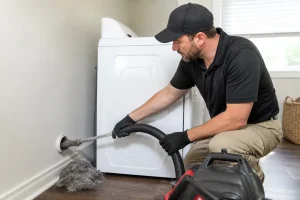
Whether you own a gas or electric dryer, professional dryer vent cleaning is not a luxury; it’s a necessity for safety, efficiency, and prolonging the life of your appliance. While you can clean your lint trap after every load, the hidden buildup within the vent itself requires specialized tools and knowledge. Our team uses powerful vacuums and brushes to meticulously remove lint, debris, and blockages, restoring optimal airflow.
The importance of proper dryer vent maintenance isn’t confined to Cherry Hill; communities from Duct Duct Ccleaning LLC in New York to Duct Duct Ccleaning LLC in Chicago and Duct Duct Ccleaning LLC in Boston face similar challenges with clogged vents. For gas dryers, we also inspect for proper sealing and any signs of damage that could compromise carbon monoxide containment. For both types, ensuring every component is optimized for performance, much like examining strategies in “Duct Sealing for Travel Planning”, means recognizing the crucial role of professional maintenance.
Don’t wait for your dryer to show obvious signs of trouble like longer drying times or hot-to-the-touch clothes. Proactive cleaning saves energy, prevents fires, and protects your family. For expert service right here in Cherry Hill, call Duct Duct Ccleaning LLC at (609) 507-0043. We ensure your system is as efficient as possible, similar to optimizing other home systems addressed in guides like “Duct Sealing for Conference Planning” for peak operational effectiveness, or even preparing for the unexpected, akin to insights from “Duct Sealing for Ice Removal Services”.
Frequently Asked Questions About Dryer Vents
Q1: How often should I have my dryer vent professionally cleaned?
A1: We recommend annual professional cleaning for most households. If you have a large family, pets that shed heavily, or use your dryer frequently, you might consider bi-annual cleaning.
Q2: Can I clean my dryer vent myself?
A2: You can clean the accessible parts near the dryer and the exterior cap. However, the long, inaccessible sections of the vent require specialized tools to thoroughly remove compacted lint. DIY attempts often leave significant blockages, making professional cleaning essential.
Q3: What are the signs of a clogged dryer vent?
A3: Common signs include clothes taking longer to dry, clothes feeling unusually hot after a cycle, the dryer itself feeling very hot, a burning smell, or no lint accumulating in the lint trap.
Q4: What’s the best material for a dryer vent hose?
A4: Rigid metal (aluminum or galvanized steel) is by far the best choice. It’s durable, less prone to crimping, and provides the smoothest path for airflow, significantly reducing lint buildup.
Q5: Is it safe to use flexible foil or plastic dryer vent hoses?
A5: While sometimes used, flexible foil and plastic hoses are generally discouraged due to their flammability and tendency to trap lint and restrict airflow. Many building codes now prohibit their use.
Q6: Does a gas dryer vent need a special termination cap?
A6: While both gas and electric dryers benefit from proper termination caps, it’s especially critical for gas dryers that the cap allows for unimpeded exhaust of combustion gases and is free from obstructions that could cause backflow.
Q7: Will professional cleaning improve my dryer’s efficiency?
A7: Absolutely. A clean vent allows hot, moist air to escape freely, reducing drying times and thereby lowering energy consumption. This not only saves you money but also extends the life of your dryer.
Don’t let a neglected dryer vent jeopardize your safety or your energy budget this winter. Whether your home in Cherry Hill relies on a gas or electric dryer, proactive maintenance is key. Trust the experts at Duct Duct Ccleaning LLC to ensure your dryer vent system is clean, safe, and operating at peak performance. For professional dryer vent cleaning, air duct cleaning, or chimney services, reach out to us today. Call (609) 507-0043 to schedule your appointment and experience the difference of a truly clean home.