Beyond Standard Checks: Why Advanced Dryer Vent Inspections Are Crucial for Coastal Homes in Boston, MA
Picture Sarah, a homeowner in Boston’s historic Beacon Hill. Her charming brownstone, like many along the coast, faces unique challenges. Lately, her clothes dryer seemed to be working harder, cycles getting longer, and sometimes, clothes still felt damp. She’d performed the usual lint trap cleaning, but a nagging feeling told her something more was at play. A routine dryer vent check by a local handyman didn’t flag anything major, yet her energy bills crept up, and a subtle burning smell occasionally wafted from the laundry room. What Sarah didn’t realize was that coastal environments demand more than ‘standard’ checks; they require advanced scrutiny, a service Duct Duct Ccleaning LLC in Boston understands well.
Why Are Coastal Homes in Boston Special When It Comes to Dryer Vents?
Living by the ocean in places like Boston’s North End or along the Harborwalk brings unique charm, but it also brings specific challenges for your home’s systems. The salty, humid air, while refreshing for us, can be tough on mechanical components. Metal dryer vent ducts, for instance, are more susceptible to corrosion from the sea breeze. This corrosion can lead to small perforations or rough internal surfaces, which then become prime spots for lint to snag and accumulate faster than in inland homes. Additionally, coastal homes often experience stronger winds, which can push debris and even pests into unprotected vent openings, further exacerbating blockages. At Duct Duct Ccleaning LLC, we know these local nuances affect your home’s systems.
What’s the Danger of a Clogged Dryer Vent?
This isn’t just about damp clothes or higher utility bills. A clogged dryer vent is a serious fire hazard. According to the U.S. Fire Administration, there are approximately 2,900 clothes dryer fires reported annually, resulting in an estimated 5 deaths, 100 injuries, and $35 million in property loss. The leading cause of these fires is failure to clean the dryer vent. When lint accumulates, it restricts airflow, causing the dryer to overheat. This superheated lint can then easily ignite, especially with older units or vents that have structural weaknesses. This risk is amplified in coastal areas where lint might be stickier due to humidity and vent materials might degrade faster.
How Do Advanced Dryer Vent Inspections Differ from Standard Checks?
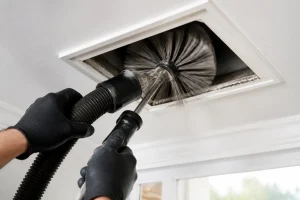
A standard check might involve a visual inspection from the outside and perhaps a quick peek from the inside, often just cleaning the accessible parts. An advanced inspection, however, goes much deeper. Our technicians at Duct Duct Ccleaning LLC use specialized cameras to snake through the entire vent system, from the dryer unit to the exterior vent cap. This allows us to spot hairline cracks, corrosion, pest infestations, blockages deep within the wall, or disconnections that are completely invisible from the outside. We look for specific issues common to Boston homes, such as bends in older construction and vent materials degraded by the humid, salty environment.
What Specific Issues Do Advanced Inspections Uncover in Coastal Settings?
- Corrosion and Deterioration: Salt air accelerates rust and material breakdown in metal ducts, creating rough spots where lint can easily snag. Advanced cameras can identify these early signs of wear.
- Hidden Pests and Nests: Birds, rodents, and insects often find dryer vents cozy spots for nesting, particularly in older Boston homes. These nests cause severe blockages and can be missed without thorough internal inspection.
- Compromised Vent Connections: Strong coastal winds or shifting foundations (common in older areas) can cause vent sections to separate or disconnect, allowing lint to spill into wall cavities—a major fire hazard.
- Improper Venting Materials: Some older homes might still have plastic or vinyl ducts, which are highly flammable and prohibited by modern building codes. An advanced inspection confirms the presence of safe, rigid metal ductwork.
- Moisture Buildup: High humidity means moisture can cling to lint more easily, creating a heavier, denser blockage that’s harder for standard cleanings to remove and potentially leading to mold growth within the vent.
A comprehensive approach ensures your home’s health. While focusing on your dryer vent, it’s also worth considering other aspects of your home’s air quality. Leaky or poorly sealed air ducts can significantly impact your home’s energy use and air quality, contributing to issues like high energy bills and even reduced appliance efficiency. This is why services such as “Duct Sealing for Reduced HVAC Noise” or applications like “Duct Sealing for Creative Services” could be integral to maintaining overall indoor air quality.
How Often Should Boston Homeowners Get Advanced Inspections?
For coastal homes, we generally recommend an advanced inspection and cleaning at least once a year. This frequency helps mitigate the unique challenges posed by the environment and heavy dryer use. For larger households or those with pets that produce a lot of lint, twice a year might be more appropriate. Regular vigilance with your dryer vent system not only extends the life of your appliance but, more importantly, protects your home and loved ones. This dedication to home safety is consistent whether you’re in Boston, like the residents served by Duct Duct Cleaning LLC in Cherry Hill, NJ, or Duct Duct Ccleaning LLC in Houston.
FAQs: Your Advanced Dryer Vent Questions Answered
Q1: Can I perform an advanced inspection myself?
A: While you can clean your lint trap and the accessible portion of the vent, an advanced inspection requires specialized equipment like flexible bore-scopes and powerful vacuums designed to navigate complex vent systems. It’s best left to professionals like Duct Duct Ccleaning LLC.
Q2: Does a clogged dryer vent affect my energy bill?
A: Absolutely! When your dryer vent is clogged, your dryer has to work much harder and longer to dry clothes, consuming significantly more energy. This can lead to a noticeable spike in your electricity or gas bill.
Q3: My dryer is brand new. Do I still need advanced inspections?
A: Yes. While a new dryer itself might be efficient, its performance is entirely dependent on an unobstructed vent system. New or old, the vent is the critical component for safety and efficiency, especially in a coastal environment.
Q4: How long does an advanced dryer vent inspection and cleaning take?
A: Typically, a thorough advanced inspection and cleaning by our technicians at Duct Duct Ccleaning LLC can take anywhere from 1 to 2 hours, depending on the length and complexity of your vent system and the extent of any blockages found.
Q5: I only dry small loads. Does this reduce the need for inspection?
A: While smaller loads might produce less lint per cycle, lint accumulation is still inevitable over time. All dryers produce lint, and coastal environmental factors continue to play a role. Regular inspections are still recommended.
Don’t let the unique charm of your Boston coastal home inadvertently lead to a dryer vent hazard or inefficiency. Proactive, advanced dryer vent inspections and cleanings are an investment in your safety, energy savings, and peace of mind. For expert service that understands the nuances of coastal living, trust the professionals. While our home base is in Cherry Hill, NJ, our expertise in air duct cleaning, chimney services, and dryer vent cleaning applies to homes everywhere. Don’t wait for a problem to arise. Give us a call at (609) 507-0043 today to schedule your advanced dryer vent inspection with Duct Duct Ccleaning LLC.