Beyond the Ashes: Prepping Your Cherry Hill Fireplace for Spring Renewal
Beyond the Ashes: Prepping Your Cherry Hill Fireplace for Spring Renewal
Your fireplace is likely the last thing on your mind as the daffodils bloom in Cherry Hill, but neglecting its post-winter care is a recipe for potential disaster. While many homeowners consider spring a time for outdoor endeavors and perhaps some light dusting, the quiet season for your fireplace presents a critical opportunity for maintenance that many overlook. This isn’t just about aesthetics; it’s about ensuring safety, efficiency, and longevity for a beloved feature of your home, especially important as we transition from the crisp winter air that made our hearths so inviting to the warmer, potentially humid days ahead. Ignoring these crucial steps now can lead to expensive repairs, fire hazards, and reduced performance when you next decide to enjoy a cozy evening by the fire. This comprehensive guide will walk you through the essential steps for a thorough spring fireplace and chimney inspection, ensuring its readiness for everything from a spontaneous summer bonfire to its inevitable return to duty next fall.
The Silent Dangers of Neglected Fireplaces
Throughout the winter months, your Cherry Hill fireplace has been a source of warmth and ambiance, tirelessly working to keep your family comfortable during those chilly January evenings. However, this constant use, coupled with the natural byproducts of combustion, leaves behind a buildup of creosote, soot, and debris within the chimney flue. Creosote, a highly flammable tar-like substance, is the primary culprit in chimney fires. According to the National Fire Protection Association (NFPA), chimney fires are responsible for a significant number of home fires annually. The statistics are stark: in recent years, an average of 19,500 home fires were reported annually involving fireplaces, chimneys, and chimney connectors. These fires often result in extensive property damage, and tragically, can lead to injuries or fatalities. This is precisely why proactive maintenance is not merely a suggestion, but a necessity. Ignoring the build-up can lead to more than just soot; it can invite nesting animals, blockages, and structural damage over time. The porous nature of brick and mortar can also absorb moisture, which, when subjected to freeze-thaw cycles common in South Jersey winters, can cause significant degradation, leading to crumbling mortar and compromised structural integrity.
Creosote: The Invisible Threat
Creosote is not a static substance; it’s a complex mixture of volatile organic compounds that forms as wood burns incompletely. Think of it as a sticky, tarry residue that coats the inside of your chimney. Its accumulation is directly proportional to how often and how efficiently you burn wood. Slow-burning fires, often favored for extended heat, tend to produce more creosote than hot, quick fires. The varying types of wood also play a role; hardwoods generally burn cleaner than softwoods. Cherry Hill’s variable winter weather means fireplaces might be used with varying degrees of intensity, increasing the likelihood of creosote buildup. A significant layer of creosote, even a quarter-inch thick, can ignite with alarming ease when exposed to high temperatures. The danger is amplified because creosote is not visible from the ground or even necessarily from the firebox. It requires a professional inspection, often with specialized cameras, to properly assess its thickness and composition. Regular cleaning is the only reliable method to mitigate this pervasive risk. For those residing in areas like Cherry Hill, where the charm of older homes is prevalent, the existing structure of chimneys might be more susceptible to the corrosive effects of creosote if not diligently maintained.
Soot and Debris: More Than Just Mess
Beyond the fire hazard posed by creosote, accumulated soot and debris present other problems. Soot particles are fine and can easily become airborne, impacting indoor air quality. This is particularly relevant for homes where residents may suffer from allergies or respiratory conditions. When the weather warms and the fireplace isn’t in use, dormant soot can become a feast for pests. Birds and rodents are often attracted to the sheltered, ash-filled environment, building nests that can further obstruct the flue. A blocked flue prevents smoke and combustion gases from escaping your home, forcing them back into your living space. This can lead to dangerous levels of carbon monoxide, an odorless, colorless gas that is deadly. Ensuring a clear chimney is therefore critical for both safety and health. The summer months can also bring increased humidity, and a blocked chimney can become a reservoir for moisture, exacerbating potential mold and mildew issues within the flue and the surrounding structure. We understand the unique climate challenges faced by Cherry Hill homeowners, and our services are designed to address these specific concerns.
The Spring Checklist: What Every Cherry Hill Homeowner Needs to Do
As the calendar turns to spring, it’s time to shift our focus from indoor warmth to outdoor readiness. For your fireplace and chimney, this means a thorough inspection and cleaning. Unlike the urgent need for air duct cleaning or dryer vent cleaning during peak usage seasons, spring offers a relaxed period to address these vital components of your home’s safety and comfort systems. This proactive approach not only prevents potential hazards but also ensures that your fireplace is in prime condition for its next active season, whether for a late spring gathering or the following fall’s first chill.
Visual Inspection: Your First Line of Defense
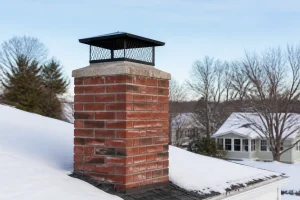
Before calling in the professionals, a basic visual inspection can reveal potential issues. Start by examining the exterior of your chimney. Look for any signs of crumbling mortar between the bricks, loose or missing bricks, or cracks in the chimney cap. The cap is crucial as it prevents rain, snow, and animals from entering the flue. Check for rust on metal components, which can indicate moisture infiltration. Inside, once the firebox has completely cooled, inspect the visible portion of the flue liner. Are there any large cracks or missing pieces? While this initial check is helpful, it’s not a substitute for a professional assessment. For instance, the internal condition of the flue liner can be compromised in ways not visible from the ground. It’s important to remember that structural integrity is paramount; even small cracks can expand over time and lead to more significant problems, potentially allowing heat and gases to escape into your home’s structure.
The Crucial Role of Professional Cleaning and Inspection
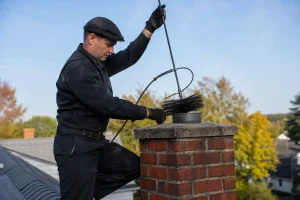
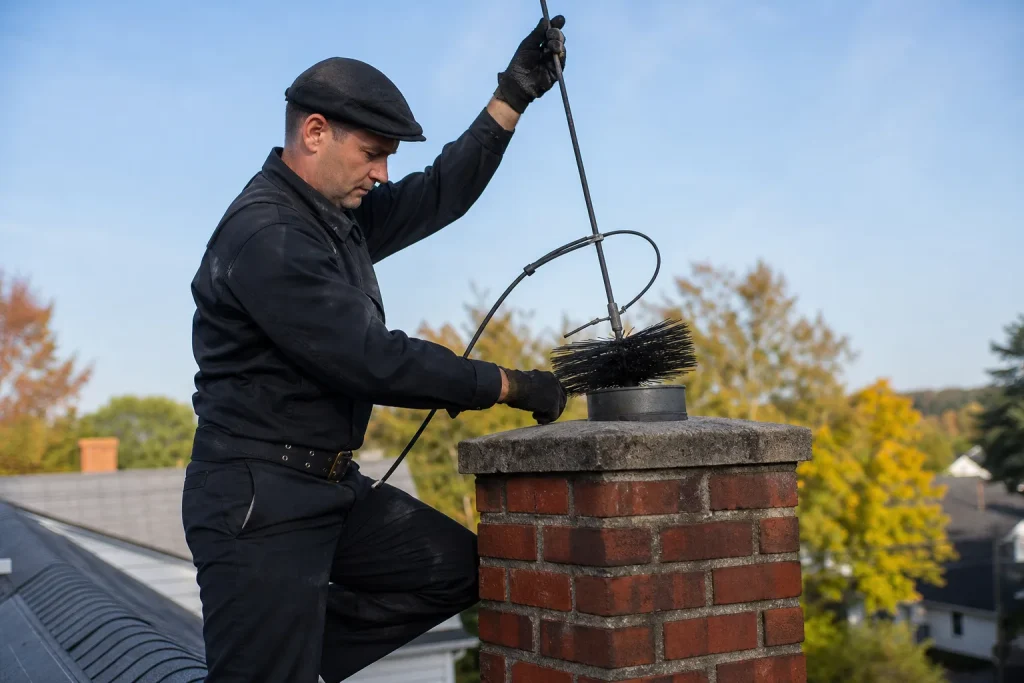
This is where the expertise of professionals like Duct Duct Ccleaning LLC becomes indispensable. A certified chimney sweep will perform a Level 1 inspection, the most common type, which involves a visual examination of the readily accessible areas of the chimney, fireplace, and venting system. This includes checking for obstructions, structural integrity, and creosote buildup. For a more thorough assessment, especially in older homes or after signs of damage, a Level 2 inspection might be recommended, which includes the use of specialized cameras to inspect the interior of the flue. A professional cleaning goes beyond simply sweeping out soot; it involves removing all dangerous creosote deposits and any debris that may have accumulated. The process can be messy, but a reputable service will take precautions to protect your home. They will also assess the condition of the damper, ensuring it seals properly to prevent air leaks when not in use and opens fully to allow proper ventilation when the fireplace is in operation. Their knowledge extends to identifying potential fire hazards that a homeowner might miss, offering peace of mind. If you’ve experienced any unusual smells or reduced draft recently, a professional inspection is especially timely. Consider it akin to the essential maintenance you’d schedule for your vehicle before a long trip; your chimney deserves the same attention.
Understanding Different Levels of Chimney Inspection
It’s important to understand that chimney inspections are not one-size-fits-all. The Chimney Safety Institute of America (CSIA) outlines different inspection levels:
- Level 1 Inspection: This is the recommended inspection for a chimney that is in good condition and has not undergone any modifications or changes in use. It’s a visual check of accessible areas. This is the standard spring check-up many homeowners need.
- Level 2 Inspection: This is required when changes are made to the system, such as a new appliance or a significant change in venting. It is also recommended when damage or malfunction is suspected. This level includes an inspection of the interior of the flue using specialized equipment like video cameras. This is crucial for older homes in areas like Cherry Hill where wear and tear are more common.
- Level 3 Inspection: This inspection involves opening up the chimney system to access concealed areas, such as removing the smoke chamber or smoke shelf, to determine the extent of a problem. This is typically only performed when a Level 1 or Level 2 inspection indicates a serious issue that cannot be resolved through less invasive means.
For most Cherry Hill residents prepping their fireplace for spring, a Level 1 inspection and cleaning by a qualified professional is sufficient. However, if you notice any signs of concern, or if your chimney hasn’t been inspected in several years, don’t hesitate to ask for a more thorough assessment. Understanding these levels helps you communicate your needs effectively with your service provider.
Beyond the Chimney: Addressing Related Issues
While the chimney is the most visible component, spring is also an excellent time to consider related maintenance that impacts your home’s overall health and efficiency. This includes ensuring proper ventilation throughout your home, which can be compromised by chimney blockages or even a poorly functioning dryer vent.
The Interconnectedness of Home Ventilation
Your home is a system, and the functionality of one part can affect others. A poorly maintained chimney can lead to poor indoor air quality, but so can clogged air ducts. During the spring, as you prepare to open windows and air out your home, you’re often introducing fresh air, but if your internal air is recirculating pollutants from dirty ducts, you’re not achieving true freshness. Issues like dust, pet dander, and mold spores can accumulate in air ducts, exacerbating allergies and respiratory problems. Think of it this way: even if your chimney is clean, if your HVAC system is recirculating stale, dusty air, your indoor environment won’t be optimal. Regular air duct cleaning, especially after a winter of heavy heating usage, ensures that the air you’re breathing is as clean as possible. Services like “Air Scrubber Rental” can also play a role in improving indoor air quality, particularly after cleaning processes. Furthermore, understanding your home’s “Air Exchange Rate Testing” can reveal inefficiencies that may be contributing to poor air quality, either from external pollutants entering or internal pollutants not being effectively removed.
The Underrated Dryer Vent: A Hidden Hazard
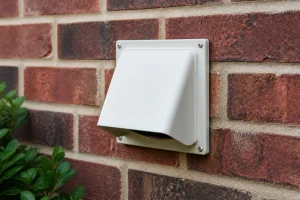
While often overshadowed by the dramatic risks of chimney fires, a clogged dryer vent poses a significant fire hazard and reduces the efficiency of your appliance. Lint, a highly flammable material, accumulates in the dryer vent over time. When this buildup becomes substantial, it can easily ignite from the heat generated by the dryer. The U.S. Consumer Product Safety Commission estimates that clothes dryers are involved in about 14,000 fires each year. These fires are often caused by lint buildup igniting in the dryer or in the exhaust duct. Beyond fire safety, a clogged dryer vent forces your dryer to work harder, consuming more energy and prolonging drying times, which is an inefficiency no Cherry Hill homeowner wants to deal with as utility costs rise. Spring is the perfect time to address this overlooked maintenance task, ensuring your dryer runs safely and efficiently throughout the warmer months. A thorough cleaning of your dryer vent can prevent this common household danger. Regular maintenance, such as the services offered by Duct Duct Ccleaning LLC, ensures that all ventilation systems within your home are functioning optimally and safely.
Expert Insights for Cherry Hill Homeowners
As a trusted provider of chimney services in Cherry Hill, NJ, Duct Duct Ccleaning LLC has observed common issues specific to our region. The proximity to the coast means higher humidity, which can accelerate the deterioration of masonry. Moreover, the diverse architectural styles in Cherry Hill, from historic homes to newer constructions, each present unique challenges for chimney maintenance. Understanding these local nuances is what sets apart a general contractor from a specialized service.
Local Climate and Chimney Health
Cherry Hill experiences a temperate climate with distinct seasons. While the cold winters necessitate significant fireplace use, the humid summers can introduce moisture into the chimney structure. This is a critical factor for homeowners to understand. Water infiltration can lead to spalling (where the surface of bricks flakes off), freeze-thaw damage, and the deterioration of mortar. Furthermore, coastal air can contain salt particles that, over time, can be corrosive to metal components. Therefore, a spring inspection isn’t just about removing soot; it’s about assessing the impact of the past winter’s weather and identifying any signs of moisture-related damage. Ensuring your chimney cap is in good repair and properly sealed is paramount to preventing water ingress. If you’re considering any renovations that might affect your chimney, such as adding a new appliance or modifying the flue, it’s crucial to consult with professionals. For those in the broader New Jersey area or even considering best practices in major metropolitan areas, understanding the local environmental impacts on chimney structure is key. Whether you’re in South Jersey or looking at services like Duct Duct Ccleaning LLC in New York, the principles of moisture management remain universally important.
The Value of Preventative Maintenance
The old adage “an ounce of prevention is worth a pound of cure” is never truer than with chimney maintenance. Scheduling annual chimney cleanings and inspections, particularly after the primary heating season, can prevent minor issues from becoming costly emergencies. For instance, a small crack in a flue liner, if left unaddressed, can widen over time, leading to a potential fire or carbon monoxide leak. Similarly, a minor obstruction from nesting animals could escalate into a full blockage, rendering your fireplace unusable and dangerous. Preventative maintenance also extends the lifespan of your chimney and fireplace. By regularly removing corrosive creosote and ensuring proper ventilation, you protect the masonry and metal components from premature wear and tear. This proactive approach not only saves money on future repairs but also ensures the continued safety and enjoyment of your fireplace for years to come. We are committed to providing reliable chimney services in Cherry Hill and surrounding areas. Think of our services not as an expense, but as an investment in your home’s safety and longevity. Even if you’re comparing services across the country, the diligence of professionals like Duct Duct Ccleaning LLC in Chicago emphasizes the importance of regular care.
When to Call the Experts: Beyond DIY Inspections
While visual checks are useful, there are distinct signs that necessitate calling in professionals. If you notice any of the following, it’s time to reach out immediately:
- Visible soot or creosote buildup inside the fireplace or on the damper.
- Cracks or deterioration in the mortar or bricks of your chimney.
- A persistent smoky smell in your home, even when the fireplace is not in use.
- Difficulty starting or maintaining a fire.
- Evidence of water stains or efflorescence (a powdery white residue) on the exterior of the chimney.
- Any concerns about animals or debris potentially blocking the flue.
- If you’ve recently had a chimney fire, even a small one.
These indicators point to potential safety hazards or structural issues that require the attention of trained professionals. Attempting to fix these problems yourself without the proper knowledge and tools can be dangerous and may lead to further damage. For residents across the country, understanding when to defer to experts is crucial. Whether it’s checking the structural integrity of a chimney in Boston with Duct Duct Ccleaning LLC in Boston or maintaining your system right here in Cherry Hill, professional assessment ensures peace of mind.
Frequently Asked Questions (FAQ)
We understand that homeowners in Cherry Hill have questions about fireplace and chimney maintenance. Here are some common inquiries we receive:
Q1: How often should I have my chimney inspected and cleaned?
A: The general recommendation from the Chimney Safety Institute of America (CSIA) is to have your chimney inspected annually. Cleaning is recommended based on usage and the amount of creosote buildup, but an annual inspection will determine if cleaning is necessary. For a typical Cherry Hill home with moderate fireplace usage during winter, an annual cleaning is often recommended.
Q2: Is it safe to use my fireplace if I haven’t had it cleaned in a while?
A: It is not safe to use your fireplace if it has a significant amount of creosote buildup, as this is a major fire hazard. An annual inspection by a certified professional will determine the safety of your chimney’s current condition.
Q3: What is creosote, and why is it dangerous?
A: Creosote is a highly flammable byproduct of burning wood that coats the inside of your chimney flue. It is sticky, tar-like, and can ignite at relatively low temperatures, leading to dangerous chimney fires.
Q4: Can I clean my chimney myself?
A: While some minor cleaning of the firebox is possible, a thorough chimney cleaning and inspection requires specialized tools and expertise to ensure all creosote and debris are removed safely and effectively. Professional cleaning also includes an inspection of the entire system for structural integrity and potential hazards.
Q5: What is the difference between chimney cleaning and air duct cleaning?
A: Chimney cleaning focuses on the flue and fireplace system, removing soot, creosote, and debris to prevent fires and ensure proper ventilation for combustion. Air duct cleaning, on the other hand, focuses on the HVAC system’s ductwork, removing dust, allergens, and other pollutants that circulate throughout your home for improved indoor air quality. Both are essential for a healthy home environment, and Duct Duct Ccleaning LLC offers expertise in both areas.
Q6: How long does a professional chimney cleaning take?
A: A standard chimney cleaning and Level 1 inspection typically takes between 1 to 2 hours, depending on the complexity of the chimney system and the extent of the cleaning required. Our technicians at Duct Duct Ccleaning LLC strive to be efficient while ensuring thoroughness.
Spring into Action with Duct Duct Ccleaning LLC
As the warmer weather arrives in Cherry Hill, don’t let your fireplace and chimney become an afterthought. Proactive spring maintenance is key to ensuring your home remains safe, efficient, and comfortable throughout the year. Addressing potential issues now will save you from costly repairs and peace of mind later. Whether it’s a comprehensive chimney cleaning, a thorough inspection, or ensuring your dryer vents are clear of lint, our team at Duct Duct Ccleaning LLC is