The Art of Firebox Restoration: Preserving Your Historic Philadelphia Fireplace’s Hearth and Lintel
Did you know that many of Philadelphia’s treasured historic fireplaces, particularly those gracing homes in Society Hill, Chestnut Hill, or Fitler Square, possess fireboxes that are more than just architectural features? They are often intricate systems, carefully constructed generations ago, and vital to the safety and character of your home. We understand the deep connection you feel to these pieces of history, and the concern that arises when age or use begins to show its wear on a beloved hearth or lintel. Rest assured, preserving these historic gems is not only possible but essential for both safety and aesthetic integrity. At Duct Duct Ccleaning LLC, we specialize in understanding the unique needs of these venerable structures.
Myth vs. Fact: Understanding Your Historic Fireplace’s Needs
Myth 1: Minor Cracks in the Firebox Are Just Cosmetic
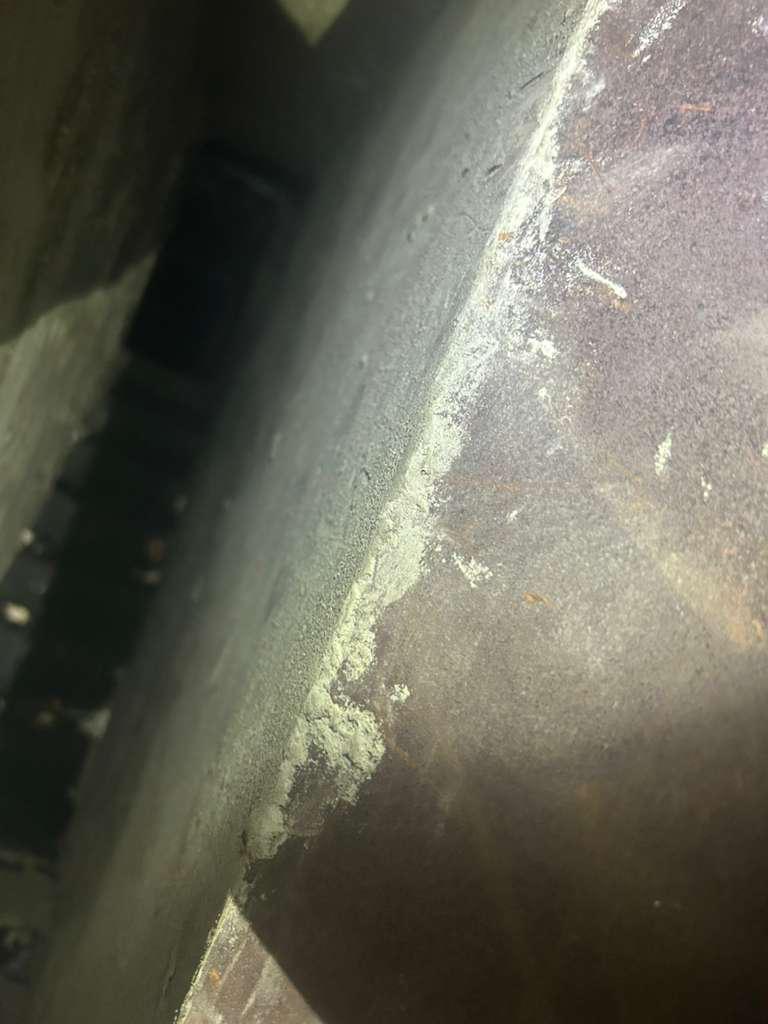
Fact: While a hairline crack might seem insignificant, in a historic firebox, even minor damage can compromise structural integrity and safety. Philadelphia’s fluctuating climate, from humid summers to freezing winters, causes materials to expand and contract, exacerbating small imperfections over time. A seemingly minor crack could be a symptom of deeper issues, like deteriorated mortar joints or spalling bricks, which can allow heat to transfer to combustible materials in your home. Professional inspection by experts like Duct Duct Ccleaning LLC in Philadelphia can identify these hidden dangers before they escalate, potentially preventing chimney fires that can reach temperatures exceeding 2000°F.
Myth 2: DIY Firebox Restoration Is a Cost-Effective Solution
Fact: We empathize with the desire to lovingly care for your historic property. However, firebox restoration, especially in centuries-old Philadelphia homes, requires specialized knowledge of masonry, historic materials, and building codes. Improper repairs using modern, incompatible materials can actually accelerate deterioration, leading to irreversible damage. Historic mortars, for instance, often had different lime-to-sand ratios and setting times than today’s Portland cement-based products. A skilled technician understands these nuances, ensuring that repairs respect the original construction methods, preserving the character and structural soundness of your fireplace for another generation. This careful approach is fundamental to the comprehensive chimney services provided by Duct Duct Ccleaning LLC.
Myth 3: As Long as it Looks Good, the Fireplace is Safe to Use After Restoration
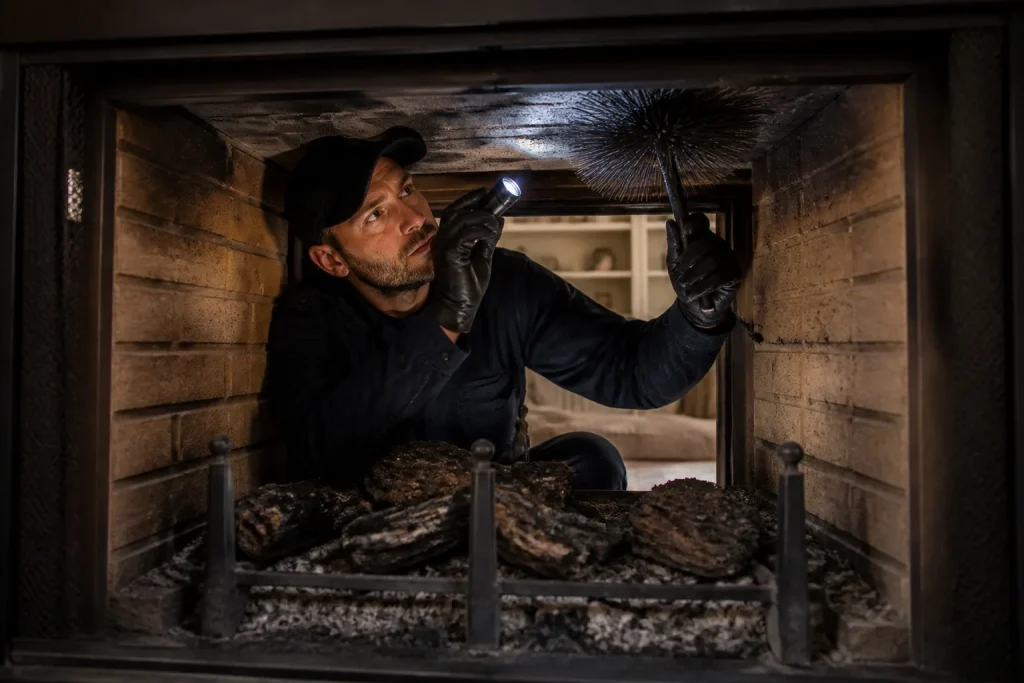
Fact: Aesthetics are certainly a part of restoration, but safety and functionality are paramount. A restored firebox must not only look authentic but also perform safely, effectively drawing smoke and combustion byproducts up the chimney. Issues like insufficient drafting, blockages, or an improperly sized flue can lead to dangerous carbon monoxide buildup within your home. Post-restoration, a thorough chimney sweeping and inspection are crucial to verify proper function. Just as ensuring proper airflow is key for home systems that may require services like Duct Sealing for Improved Airflow, ensuring correct airflow in your chimney is critical for safety and efficiency, reducing creosote buildup and preventing fire hazards. This holistic approach to home health is something we champion, whether it’s for a historic chimney or your home’s ductwork.
Myth 4: Modern, Synthetic Materials Are Superior for Firebox Repairs
Fact: While modern materials have their place, they are often unsuitable for historic firebox restoration. Historic structures require materials with similar properties to the originals to allow for compatible expansion and contraction, preventing new stresses and cracks. For instance, using too-hard modern mortar on older, softer bricks can cause the bricks themselves to crumble under stress. Expertise in sourcing and applying period-appropriate refractory mortars, firebrick, and other materials is crucial for longevity and historical accuracy. We’ve seen properties across the nation, from Duct Duct Cleaning LLC in Cherry Hill, NJ to Duct Duct Ccleaning LLC in Houston, benefit from this commitment to appropriate material selection. Similarly, understanding the integrity of original installations extends to areas like proper fiberglass insulation removal (from ducts), where careful handling prevents secondary issues.
Myth 5: Firebox Restoration is Only Necessary After Significant Damage Occurs
Fact: Proactive maintenance is always more cost-effective and less invasive than emergency repairs. Regularly scheduled chimney inspections and cleanings, recommended annually by the Chimney Safety Institute of America (CSIA), can identify minor issues in your firebox and flue liner before they become major restoration projects. Small spalls, minor mortar joint deterioration, or early signs of water intrusion can be addressed with targeted repairs, preserving your historic fireplace and extending its safe lifespan. Think of it as preventative care for your home’s grand centerpiece, just as you would for other vital systems to ensure their smooth operation and safety.
Frequently Asked Questions About Firebox Restoration
- Q: How long does a typical firebox restoration take?
A: The duration varies greatly depending on the extent of damage and the size of the firebox. Minor repairs might take a day or two, while a full rebuild could span several days to a week or more, allowing for proper material curing. - Q: Will restoration change the look of my historic fireplace?
A: The goal of historic restoration is to preserve or replicate the original appearance as closely as possible. Skilled technicians use period-appropriate materials and techniques to maintain the fireplace’s unique character and historical integrity. - Q: What are the signs my firebox needs restoration?
A: Look for cracked or spalling bricks, crumbling mortar joints, discolored firebrick, excessive smoke entering the room, or a distinct odor coming from the fireplace when not in use. - Q: Is it safe to use my fireplace before restoration?
A: If you suspect significant damage or have been advised against use, it is safest to refrain from using your fireplace until a professional assessment and necessary repairs are completed. Continuing to use a compromised firebox poses serious fire and carbon monoxide risks. - Q: How often should I have my chimney and firebox inspected?
A: The Chimney Safety Institute of America (CSIA) recommends annual inspections for all chimneys, regardless of usage. This proactive approach helps identify and address issues early. - Q: Can water damage impact my firebox?
A: Absolutely. Water intrusion, often due to a faulty chimney cap, crown, or flashing, can lead to significant damage including efflorescence, spalling bricks, and deteriorated mortar joints, accelerating the need for restoration.
Caring for a historic fireplace in Cherry Hill or Philadelphia is a commitment to preserving a piece of the past while ensuring modern safety standards. At Duct Duct Ccleaning LLC, we understand this delicate balance. Our team is equipped with the expertise to assess, clean, and restore your firebox with the precision and respect it deserves. We’re here to ensure your fireplace remains a warm, safe, and beautiful centerpiece for years to come.
Don’t let concerns about your historic fireplace become a source of worry. Let the trusted professionals at Duct Duct Ccleaning LLC help you preserve your home’s legacy. Contact us today for an expert inspection and to discuss your firebox restoration needs. We are your dedicated partners in chimney services, air duct cleaning, and dryer vent cleaning, serving Cherry Hill, NJ, and surrounding areas. Call us at (609) 507-0043 to schedule your consultation and bring your historic fireplace back to its former glory safely and beautifully.