Preventing Carbon Monoxide Risks: The Essential Role of Annual Chimney Inspections in Boston Homes
Picture this: It’s a bitter January night in Beacon Hill, the wind is howling off the harbor, and you’ve got a cozy fire blazing in your antique fireplace, melting away the stress of the day. Suddenly, a dull ache sets in behind your eyes. Your partner feels nauseous. The pet parrot starts acting unusually quiet. You might shrug it off as a bug, but what if it’s something far more sinister, an invisible, odorless menace silently poisoning the air you breathe?
That, dear Bostonians, is the nightmare scenario of carbon monoxide (CO) poisoning, often silently creeping into homes due to neglected chimneys. But before you banish your beloved fireplace to the dusty annals of history, let’s pivot from panic to prevention. The secret weapon against this unseen threat? Your annual chimney inspection. It’s not just about keeping the magic of a roaring fire alive; it’s about keeping your family safe. And as experts in Duct Duct Ccleaning LLC in Boston, we’re here to walk you through it.
The Silent Killer: Carbon Monoxide and Your Chimney
-
Understanding the CO Menace
Carbon monoxide is often dubbed “the silent killer” for a reason. It’s an invisible, odorless, tasteless gas that results from incomplete combustion. Think of your furnace, water heater, gas stove, and yes, your fireplace. When these appliances aren’t venting properly, CO can accumulate indoors. According to the CDC, CO poisoning sends thousands to the emergency room each year, and a significant portion of these incidents are preventable.
-
How Your Chimney Becomes a CO Culprit
Your chimney is designed to safely carry combustion byproducts, including CO, out of your home. But when things go awry, it becomes a back-door entrance for trouble. Blockages from creosote (a highly flammable byproduct of wood burning), bird nests, or even structural damage can impede proper ventilation. This forces CO to back up into your living space, turning your cozy hearth into a hazard.
Why Your Boston Home Needs Annual Check-Ups (It’s Not Just for Beanpots!)
-
Boston’s Unique Challenges
Let’s face it, Boston isn’t known for its balmy winters! Our historic homes, many with their charming, venerable chimneys, often face harsh weather conditions from the North End to Southie. Freezing and thawing cycles, driving rain, and relentless winds can take a toll on masonry, leading to cracks, spalling, and deterioration. Older chimneys are particularly susceptible and may need a little extra TLC. An annual inspection is like a comprehensive health check for your chimney, especially crucial before those long, frigid months kick in.
-
Proactive Problem-Solving: Catching Issues Early
A minor crack today can become a major headache (and a potential CO leak) tomorrow. An annual inspection identifies small problems—like a deteriorating liner or a failing damper—before they escalate into expensive repairs or, worse, safety risks. Think of it as preventative maintenance that saves you money and gives you peace of mind.
Your Annual Chimney Inspection Checklist: What Duct Duct Ccleaning LLC Looks For
-
Flue Integrity: The Inner Sanctum
The flue liner is the unsung hero of your chimney, protecting your masonry from corrosive gases and containing heat. We meticulously check for cracks, gaps, or deterioration in the liner that could allow heat or gases to escape into your walls. A damaged flue is a direct pathway for CO to enter your home.
-
Creosote Buildup: The Flammable Foe
Creosote isn’t just a fancy word; it’s a tar-like substance that accumulates inside your chimney, a direct byproduct of burning wood. It’s highly flammable and the leading cause of chimney fires, which can, in turn, damage your flue and create blockages. Regular chimney cleaning, especially by experts like those at Duct Duct Ccleaning LLC, removes this danger.
-
Damper Functionality: The Gatekeeper
The damper controls the airflow and ensures that when your fireplace isn’t in use, cold air stays out and heated air stays in. More importantly for CO prevention, it ensures a tight seal when closed to prevent downdrafts or wildlife entry. We verify it opens and closes fully and seals properly.
-
Cap and Crown Inspection: Your Chimney’s Hat
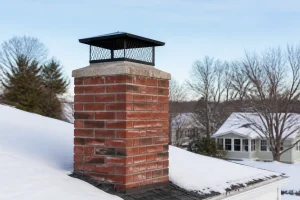
The chimney cap keeps rain, snow, and critters out, while the crown seals off the top of the chimney structure. Cracks in the crown or a missing cap can lead to water damage, deterioration, and blockages—all recipes for future CO problems. We’ll also check for any adventurous squirrels or birds making their nests, a common culprit for chimney blockages, especially in established neighborhoods like Charlestown or the South End.
-
Overall Structural Soundness
We’re looking at the whole package! From the firebox to the exterior masonry, we assess the chimney’s structural integrity. This includes inspecting for spalling bricks, mortar joint deterioration, and any other signs of wear and tear that could compromise its ability to safely vent gases.
Beyond the Chimney: Keeping Your Whole Home Breathing Easy
-
Don’t Forget Your Dryer Vent!
While we’re chatting about fires and air quality, a quick PSA: Duct Duct Ccleaning LLC in Detroit, Duct Duct Ccleaning LLC in Pittsburgh, and our team here understand that household safety extends beyond just your chimney. A clogged dryer vent is a major fire hazard and can also lead to higher energy bills. Make sure that’s on your annual safety checklist too!
-
Breathing Clean Air
Our commitment to air quality doesn’t stop at chimneys. Issues like “Duct Sealing for Remote Patient Monitoring”, and “Fiberboard Duct Cleaning” are also part of our expertise. While your chimney prevents hazardous gases, clean air ducts ensure the air circulating through your home is free from dust, allergens, and other irritants. Keeping your home’s entire ventilation system in top shape ensures a healthy indoor environment.
FAQs About Chimney Inspections & Carbon Monoxide
Q: How often should I have my chimney inspected?
A: The Chimney Safety Institute of America (CSIA) recommends annual chimney inspections. Even if you don’t use your fireplace frequently, wear and tear, weather, and animal intrusions can still occur, affecting its safety.
Q: What’s the difference between an inspection and a cleaning?
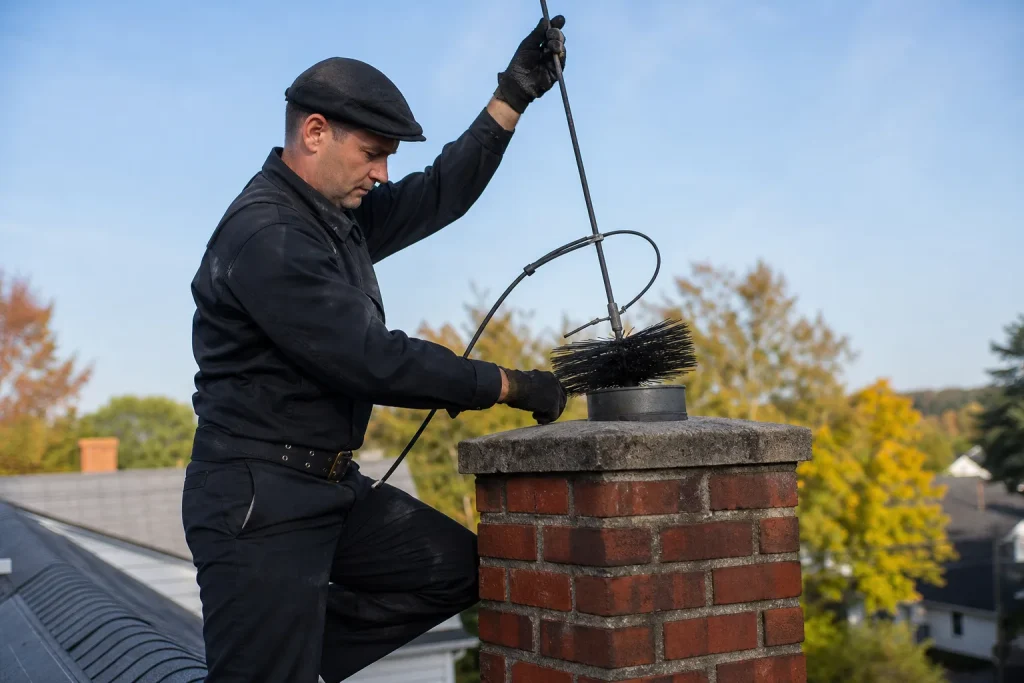
A: An inspection assesses the condition and safety of your chimney, identifying potential hazards or needed repairs. A cleaning (or “sweeping”) specifically removes creosote buildup and blockages. Often, an inspection reveals the need for a cleaning.
Q: I have a gas fireplace. Does it still need an inspection?
A: Absolutely! Gas fireplaces still produce combustion byproducts, including CO. Though creosote isn’t an issue, blockages from debris or animal nests can still occur, and the venting system itself can deteriorate.
Q: What are the symptoms of carbon monoxide poisoning?
A: Symptoms can include headache, dizziness, nausea, weakness, vomiting, chest pain, and confusion. High levels can lead to collapse, unconsciousness, and death. If you suspect CO poisoning, get fresh air immediately and call 911.
Q: Should I install carbon monoxide detectors?
A: YES! CO detectors are crucial. Install them on every level of your home, especially near sleeping areas, and test them regularly. They are your second line of defense against this invisible threat.
Q: Can a chimney inspection really prevent CO poisoning?
A: Absolutely. A thorough inspection identifies issues that could lead to CO back drafting into your home—like blockages, damaged flue liners, or faulty dampers—allowing you to address them before they become dangerous.
Don’t let the charm of your Boston home become a risk. Protecting your family from carbon monoxide is a priority, and your chimney plays a surprisingly vital role. For peace of mind and the continued enjoyment of your fireplace, ensure your chimney is ready for anything Mother Nature throws its way.
Ready to make sure your chimney is Boston-winter-approved? Don’t wait until it’s too late! Contact Duct Duct Ccleaning LLC today for your comprehensive chimney inspection and cleaning. Give us a call at (609) 507-0043 and let’s get your home breathing safely and easily.