Is Your Gas Fireplace Safe? Why Annual Chimney Inspections are Different for Gas vs. Wood in Cherry Hill
Did you know that while both wood-burning and gas fireplaces provide warmth and ambiance, their safety requirements and inspection nuances differ significantly? In Cherry Hill, NJ, as we transition from chilly winters to pleasant springs, many homeowners turn off their heating systems, perhaps thinking about summer. But for those with gas fireplaces, safety checks shouldn’t just be a once-in-a-while thought; they are an annual necessity, distinct from their wood-burning counterparts.
At Duct Duct Ccleaning LLC, we’ve observed many common misconceptions among homeowners regarding gas fireplace safety. Understanding these differences is not just about comfort; it’s about protecting your home and family from serious risks like carbon monoxide poisoning or chimney damage. Let’s dive into the “mistakes-to-avoid” when it comes to your gas fireplace’s annual inspection.
Mistake #1: Assuming Gas Fireplaces Don’t Need Chimney Inspections
This is perhaps the most dangerous assumption. Many Cherry Hill residents believe that because gas burns cleaner than wood, their chimney flue remains pristine and doesn’t require annual attention. While it’s true that gas produces less creosote (the highly flammable byproduct of wood combustion), it produces other corrosive byproducts, primarily water vapor and acidic compounds.
Over time, these byproducts can cause significant damage to the metal or masonry components of your chimney liner and fireplace. We often see instances where continuous exposure to moisture and acid from gas combustion leads to rust, corrosion, or spalling (deterioration) of the flue liner, especially in older homes in areas like Barclay or Kingsway. This degradation can lead to gaps, blockages, or a complete failure of the venting system, allowing dangerous carbon monoxide to seep back into your home. This is why a professional annual inspection, as defined by NFPA 211 standards, is crucial. Our experts at Duct Duct Ccleaning LLC are trained to identify these specific issues, ensuring your system functions safely.
Mistake #2: Overlooking Carbon Monoxide Risk Because There’s No Smoke
Without the visible smoke associated with wood burning, homeowners might erroneously believe their gas fireplace poses no immediate air quality threat. However, carbon monoxide (CO) is an odorless, colorless gas, often referred to as “the silent killer.” A properly functioning gas fireplace should vent all combustion byproducts, including CO, out of your home. But if the flue is blocked by a bird’s nest, debris, or a malfunctioning damper, or if the gas logs themselves are not burning efficiently, CO can accumulate indoors.
Statistics show that faulty gas appliances are a significant source of CO incidents. For example, the CDC reports that an average of 430 people die each year in the U.S. from accidental CO poisoning. Regular inspections check for proper drafting, vent integrity, and burner efficiency to mitigate this risk. Part of this involves checking your fireplace’s combustion characteristics, ensuring optimal flame color and complete combustion. A comprehensive safety check should always include Carbon Monoxide Testing to guarantee your household’s safety, a critical step that we prioritize.
Mistake #3: Ignoring the Specific Differences in Inspection Needs
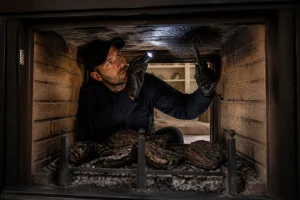
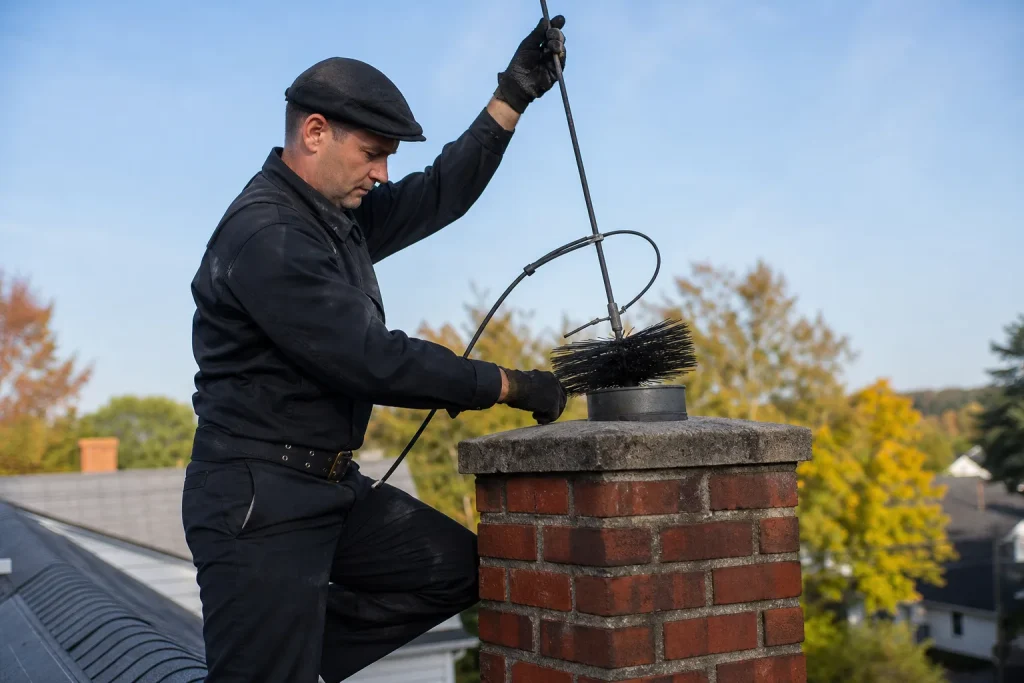
The chimney inspection for a gas fireplace isn’t just a “lighter” version of a wood-burning inspection; it’s different by design. For wood, inspectors primarily look for creosote buildup, blockages, and structural integrity under high heat stress. For gas fireplaces, the focus shifts to:
- Vent System Integrity: Checking for corrosion, cracks, or gaps in the flue liner that could compromise venting.
- Burner Assembly: Ensuring the gas logs, pilot light, thermopile, and gas valve are functioning correctly, free from dust or rust that could impede proper combustion.
- Ignition System: Verifying that electronic ignitions or pilot lights are reliable and safe.
- Glass Enclosure Seals: For direct-vent units, ensuring the seal around the glass is intact to prevent indoor air contamination.
- Draft Performance: Confirming proper airflow and exhaust, especially important for preventing CO backdrafts into homes here in Cherry Hill.
These specific checks require specialized knowledge and equipment. While you might consider DIY maintenance for simple household tasks, chimney and fireplace inspection requires the expertise of certified professionals. Our teams, just like those ensuring safe operation for our clients at Duct Duct Ccleaning LLC in Houston or Duct Duct Ccleaning LLC in Dallas, apply the same rigorous standards of safety and service for gas fireplaces in your Cherry Hill home.
Mistake #4: Forgetting About Related Components: Gas Lines & Dampers
A chimney system isn’t just the flue; it includes all interconnected parts. For gas fireplaces, this means the gas lines supplying the unit, including flex connectors, shut-off valves, and the pilot light assembly. These components must be inspected for leaks or damage. We often find that gas lines can corrode or develop issues over time, especially in basements or utility areas that might be prone to dampness. Additionally, ensuring your damper is either permanently open (for gas-only flues) or fully functional and sealed when closed (for multi-use flues) is critical. A partially closed damper in a gas fireplace flue can drastically reduce venting efficiency, creating a dangerous backup of exhaust gases.
Maintaining these essential connections and understanding that every element of your fireplace system plays a role in safety is paramount. Just as we ensure optimal air flow and sealed connections in various environments, even for specialized tasks like Duct Sealing for Political Consulting facilities, ensuring your gas fireplace’s venting is airtight and efficient is key for your home’s air quality.
Mistake #5: Delaying Inspection Until Winter
Procrastination can be a major oversight. Many homeowners wait until the first cold snap to schedule their annual chimney inspection. The downside? You’ll likely face longer wait times when professionals like Duct Duct Ccleaning LLC are busiest. Scheduling your inspection in the off-season – late spring or summer – means greater flexibility, quicker service, and ensuring your system is prepared long before you need it. Think of it like getting your car’s oil changed before a long road trip, not during it. Proactive maintenance for your gas fireplace ensures peace of mind throughout Cherry Hill’s cooler months.
Frequently Asked Questions About Gas Fireplace Safety
- Q1: How often should a gas fireplace be inspected?
A: Annually, by a certified professional. This aligns with industry standards for both safety and optimal performance. - Q2: What’s the biggest risk with a gas fireplace?
A: Carbon monoxide poisoning due to improper venting or incomplete combustion. Corroded flues can also allow exhaust gases to enter your living space. - Q3: Can I clean my gas fireplace chimney myself?
A: While you can wipe down the exterior glass, cleaning and inspecting the internal flue, burner, and gas lines requires specialized tools and expertise to ensure safety and code compliance. It’s best left to professionals like Duct Duct Ccleaning LLC. - Q4: Do gas fireplaces create creosote?
A: No, gas fireplaces do not create creosote. They produce water vapor and acidic compounds that can corrode the flue liner over time, which is a different, but equally serious, concern. - Q5: What are signs my gas fireplace might be unsafe?
A: Signs include unusual smells (like gas or burning plastic), a pilot light that frequently goes out, yellow or orange flames (they should be mostly blue), soot buildup around the logs or glass, or physical deterioration of the fireplace or chimney exterior. - Q6: Does my Cherry Hill home’s age affect my gas fireplace safety?
A: Older homes, particularly those in historic districts near Haddonfield Road or Route 70, might have original chimney structures that weren’t designed for modern gas appliances. This can exacerbate corrosion issues or make proper venting more challenging, emphasizing the need for professional assessment.
Don’t Wait, Be Safe – Contact Duct Duct Ccleaning LLC Today!
Ensuring the safety and efficiency of your gas fireplace is not a luxury; it’s a necessity. From preventing dangerous carbon monoxide leaks to extending the lifespan of your appliance, a professional annual inspection is an invaluable investment. Don’t fall prey to common misconceptions about gas fireplace maintenance.
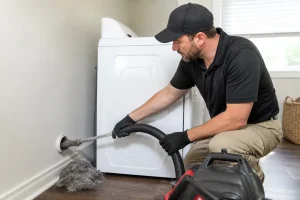
Whether you’re cozying up by the fire in Cherry Hill, just like our satisfied customers in Duct Duct Ccleaning LLC in New York, or relying on your dryer vent for clean laundry, we’re here to help. For comprehensive chimney services, dryer vent cleaning, and air duct cleaning, trust the experts at Duct Duct Ccleaning LLC. Schedule your gas fireplace inspection today and enjoy worry-free warmth. Call us at (609) 507-0043 – your safety is our priority!