Historic Detroit Homes: Ensuring Safe Operation of Wood-Burning Fireplace Inserts with Professional Chimney Services
As the crisp autumn air settles over the historic neighborhoods of Detroit, bringing with it the familiar scent of woodsmoke, many homeowners in areas like Boston-Edison, Palmer Woods, and Indian Village prepare to ignite their wood-burning fireplace inserts. These charming and efficient heating sources add undeniable character and warmth, especially in homes that boast decades, if not a century, of history. However, the beauty of a crackling fire comes with a serious responsibility: ensuring its safe operation. At Duct Duct Ccleaning LLC, we understand the intricacies of chimney systems, particularly those in older homes, and the critical importance of regular maintenance. This comprehensive checklist provides a straightforward guide to keeping your wood-burning insert safe and efficient this season.
The Essential Pre-Season Chimney Checklist for Wood-Burning Inserts
-
Schedule a Professional Chimney Inspection
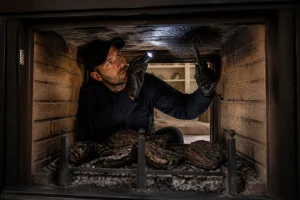
Before the first match is struck, a professional inspection is paramount. The Chimney Safety Institute of America (CSIA) recommends annual inspections. For historic Detroit homes, where chimney structures may have undergone various modifications or endured decades of use, this is non-negotiable. Our certified technicians at Duct Duct Ccleaning LLC conduct thorough Level 1, 2, or 3 inspections depending on your specific situation. A Level 1 inspection is suitable if your usage remains unchanged and no issues are detected. A Level 2 is required when changes occur (like a new insert installation or real estate transaction), or after an event that might have damaged the chimney. Level 3 is the most comprehensive, involving specialized tools to address serious hazards. Early detection of issues like creosote buildup, blockages, or structural damage can prevent dangerous chimney fires and carbon monoxide leaks. It’s not just about compliance; it’s about protecting your home and family.
-
Ensure Thorough Creosote Removal and Sweeping
Wood-burning inserts, while efficient, produce creosote—a highly flammable residue that accumulates in your chimney flue. Without regular sweeping, this buildup becomes a significant fire hazard. Statistics show that creosote accumulation is the leading cause of chimney fires. Professional chimney sweepers utilize specialized brushes and vacuums to effectively remove creosote from the flue liner, smoke chamber, and firebox. Neglecting this step means every fire you light increases the risk of an uncontrollable blaze. Duct Duct Ccleaning LLC prioritizes this crucial service to mitigate fire risks and ensure unobstructed airflow through your system.
-
Verify Flue Liner Integrity
The flue liner is the critical protective barrier within your chimney, shielding the masonry from intense heat and corrosive byproducts. In older homes, liners can be clay tile, metal, or absent entirely. Damage—cracks, spalling, or deterioration—compromises this protection, allowing heat and dangerous gases to escape into combustible areas of your home. Modern wood-burning inserts often require a stainless steel liner, specifically sized for the appliance, to function safely and efficiently. Our inspections include a detailed assessment of your flue liner, recommending repair or replacement if integrity is compromised. This is particularly vital for preserving the structural integrity of historical properties and maintaining peak performance.
-
Check Damper and Cap Functionality
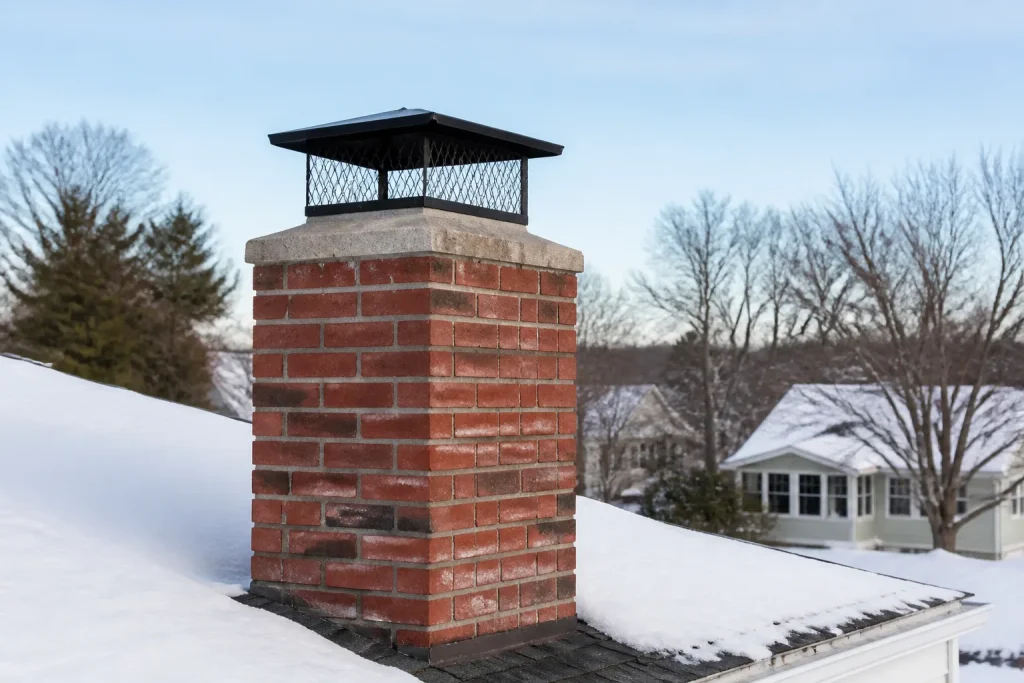
A functional damper is essential for controlling airflow and sealing the chimney when not in use, preventing heat loss and keeping out drafts. The chimney cap, conversely, keeps out rain, animals, and debris, which can cause blockages or water damage. Both components must be in good working order. Damaged or missing caps leave your chimney vulnerable to nesting animals, leading to blockages that restrict smoke expulsion and increase fire risk. A proper inspection by a professional from Duct Duct Ccleaning LLC in Detroit will address any issues with these vital components, ensuring your system operates as intended.
-
Install and Test Carbon Monoxide Detectors
Carbon monoxide (CO) is an invisible, odorless, and deadly gas that can result from incomplete combustion in your fireplace insert, especially if the chimney is blocked or not drafting correctly. CO detectors are inexpensive life-saving devices. Ensure you have working detectors on every level of your home, particularly near sleeping areas. Test them monthly and replace batteries annually, or as recommended by the manufacturer. This simple step can literally save lives.
-
Use Only Properly Seasoned Wood
Burning wood with a moisture content above 20% contributes significantly more to creosote buildup, produces less heat, and creates excessive smoke. “Seasoned” wood has been dried for at least six months to a year. Look for wood that sounds hollow when hit, has cracking at the ends, and bark that peels easily. Avoid burning treated wood, garbage, or plastics, as these release toxic fumes and can damage your chimney system. Educating yourself on proper fuel is a crucial aspect of safe operation.
Unique Challenges of Historic Detroit Homes
Historic homes, while beautiful, present unique challenges for chimney systems. Original construction methods, lack of modern liners, and years of varying maintenance can lead to complex issues. Flue sizes may not be ideal for modern inserts, necessitating specific modifications. We’ve seen it all, from the robust masonry of a Corktown duplex to the elegant fireplaces in a Grosse Pointe mansion. Addressing these nuances requires specialized knowledge that generic services lack. Duct Duct Ccleaning LLC approaches each historic property with a customized assessment, recognizing that a “one-size-fits-all” solution simply won’t suffice.
Beyond the Fireplace: Comprehensive Home Air Quality
While chimney safety is paramount, maintaining excellent overall home air quality is also essential for health and comfort, especially in older homes. The same principles of professional inspection and cleaning apply across your home’s ventilation systems. For instance, ensuring clean air circulation often involves services like Lennox Duct Cleaning to remove accumulated dust, allergens, and debris from your HVAC system. Additionally, proper Duct Sealing for Product Support can significantly enhance the efficiency of your heating and cooling, preventing conditioned air from escaping and reducing the load on your systems. This holistic approach ensures a healthier indoor environment alongside a safe and functional fireplace. We extend this commitment to indoor air purity, ensuring the spaces you relax in are truly clean and comfortable, whether it’s your main living areas or specifically in a home Duct Sealing for Lounges.
Why Choose Certified Professionals?
The chimney industry has specific certifications and standards for a reason. Professionals certified by organizations like the CSIA possess the training and expertise to diagnose complex issues, perform repairs safely, and recommend the best solutions for your specific chimney system and home. They stay updated on code requirements and safety protocols. Hiring an uncertified individual can lead to botched repairs, overlooked hazards, and costly future problems. From Duct Duct Ccleaning LLC in New York to Duct Duct Ccleaning LLC in Chicago, the demand for certified, reliable professionals is consistent. Trusting experts like those at Duct Duct Ccleaning LLC, with a track record of excellence, ensures peace of mind. Remember, proper chimney maintenance is an investment in your home’s safety and longevity.
FAQ
- Q: How often should I have my chimney swept if I use my wood-burning insert regularly?
A: The CSIA recommends having your chimney inspected and swept at least once a year, or more frequently if you burn dense wood regularly throughout the heating season. If you burn several cords of wood per season, consider mid-season checks. - Q: Can I inspect my own chimney?
A: While a basic visual check of your firebox and the exterior of your chimney can be helpful, it is not a substitute for a professional inspection. Many critical areas are not visible to the untrained eye, and specialized tools are required for a thorough assessment. - Q: What are the signs of a chimney problem?
A: Look for strange odors, smoke entering the room when the fireplace is in use, visible cracks in the masonry, creosote accumulation around the damper, or a lack of proper draft. Any of these signals an immediate need for a professional inspection. - Q: Is it safe to burn synthetic logs in my wood-burning insert?
A: Most synthetic logs are safe for fireplace inserts, but always check the product’s instructions to ensure it’s compatible with your specific appliance. Some can produce different types of creosote or burn at higher temperatures.