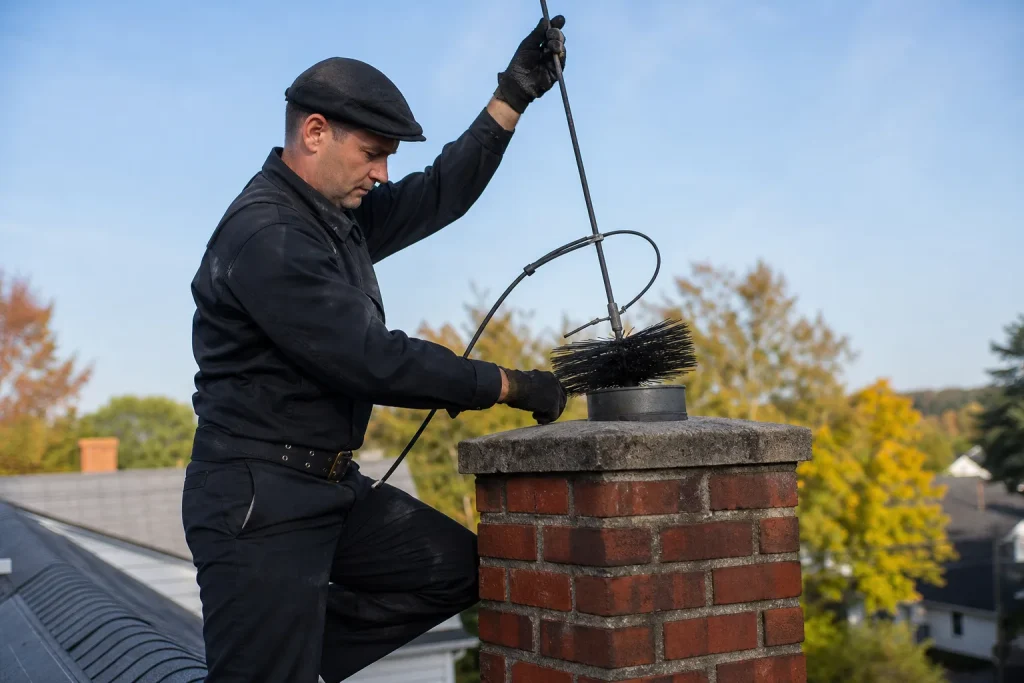
The Impact of Chicago’s Lakefront Weather on Your Chimney’s Structural Integrity
Sarah, a lifelong resident of Chicago’s Lakeview neighborhood, thought she knew everything about battling the elements. Her century-old home, a testament to enduring brick and mortar, had weathered countless harsh winters and relentless lakefront winds. But last spring, during a routine inspection before the heating season, her chimney sweep delivered an unwelcome surprise: significant spalling on the chimney crown and deteriorated mortar joints, indicative of water intrusion and freeze-thaw damage. The cost of repairs was substantial, a direct consequence, she learned, of years of battling the unique, brutal climate of the Windy City without adequate preventative care. Sarah’s experience highlights a critical reality for many Chicago homeowners: your chimney’s structural integrity is under constant assault, and understanding these forces is the first step toward safeguarding your home.
The Relentless Lakefront Assault on Your Chimney
Chicago’s location on the shores of Lake Michigan subjects its structures, particularly chimneys, to a unique blend of climatic stressors. These aren’t just minor inconveniences; they’re erosive forces that accelerate wear and tear, demanding proactive maintenance from homeowners.
Understanding Wind and Freeze-Thaw Cycles
The infamous “Hawk” – Chicago’s biting wind – isn’t just uncomfortable; it’s a relentless assailant on your chimney. Wind-driven rain and sleet penetrate microscopic cracks in mortar and brick. When temperatures plummet, often dropping 20-30 degrees in a single day, this trapped moisture freezes and expands, exerting immense pressure. This constant freeze-thaw cycle, which can occur dozens of times each winter, is the primary culprit behind spalling (where the brick face peels or flakes off) and crumbling mortar joints. Studies show masonry exposed to such cycles without proper protection can degrade twice as fast as in more temperate climates.
The Moisture Menace
Beyond freezing, moisture itself is a chronic issue. Chicago averages over 38 inches of precipitation annually, much of it occurring during rapid temperature shifts. This consistent saturation, especially in older, more porous brick, leads to efflorescence (white powdery deposits), moss and lichen growth, and accelerated decay. A compromised chimney crown or missing cap can act as a direct funnel for rainwater into the flue, damaging the liner and even the interior masonry, potentially leading to carbon monoxide leaks or chimney fires.
Seasonal Impacts and Your Chimney’s Vulnerabilities
Each season brings its own set of challenges, progressively weakening your chimney unless preventative steps are taken.
Winter’s Icy Grip
Winter is when pre-existing damage is exacerbated. The sheer force of expanding ice widens cracks and dislodges bricks. Furthermore, the constant use of heating systems means the chimney is regularly exposed to hot flue gases on the interior and freezing temperatures on the exterior, creating thermal stress that can crack flue liners. Ensuring your chimney is in peak condition before winter hits is not just about warmth, it’s about safety. Our experts at Duct Duct Ccleaning LLC understand these specific challenges, whether for homes along Lakeshore Drive or in the bustling Loop.
Spring’s Thaw and Torrential Rains
As winter snows melt and spring showers arrive, the rapid influx of water tests your chimney’s resilience. Compromised flashing, damaged caps, or deteriorated mortar act as entry points for water, leading to leaks within your home. This is often when homeowners first notice water stains on ceilings or walls adjacent to the chimney – clear indicators of structural issues. Addressing these promptly can prevent more extensive, costly repairs.
Summer’s Unexpected Role
While often seen as a reprieve, summer heat can further dry out and crack mortar already weakened by winter. High humidity levels, characteristic of Chicago summers, also contribute to moisture absorption, priming the chimney for the next freeze-thaw cycle. Neglecting chimney issues in the summer simply allows them to worsen subtly, preparing for a more dramatic failure in colder months.
Autumn’s Pre-Winter Warning
Autumn is the crucial window for inspections and preventative maintenance. Identifying and repairing minor issues – like re-pointing mortar or sealing a crown – before the first freeze can save thousands in emergency repairs. It’s also the ideal time for chimney cleaning to ensure safe operation. Homeowners can reach out to professionals like Duct Duct Ccleaning LLC in Chicago, Duct Duct Ccleaning LLC in Detroit, or Duct Duct Ccleaning LLC in Pittsburgh for specialized services that understand regional weather patterns.
Proactive Measures for Structural Integrity
Protecting your chimney from Chicago’s weather is an ongoing commitment, but a worthwhile one.
Regular Inspections are Non-Negotiable
Annual professional inspections are the single most important preventative measure. A certified chimney technician can identify early signs of damage – minor cracks, deteriorated flashing, or crown issues – before they escalate. Think of it as a vital check-up for a critical part of your home’s infrastructure. During this time, they can also ensure proper airflow. While chimney maintenance is key, ensuring your home’s entire ventilation system is efficient is also critical, and includes services like Static Pressure Testing for your air ducts.
Addressing Masonry Deterioration
When mortar joints show signs of crumbling, re-pointing (removing old mortar and replacing it with new) is essential. This restores the structural integrity and creates a weather-tight seal. For spalling brick, replacement might be necessary. Applying a water repellent specifically designed for masonry can also significantly reduce moisture absorption, extending the life of your chimney.
Flue Liner Protection
The flue liner, often made of clay tiles, stainless steel, or cast-in-place material, is crucial for directing combustion byproducts safely out of your home. Cracks in the liner can allow dangerous gases to leak into living spaces or initiate chimney fires. Inspections will identify liner damage, recommending repairs or replacement to maintain safety. Maintaining optimal air quality inside your home also means looking at other areas. For example, if you’re concerned about indoor allergens, considering Duct Sealing for Allergen Reduction can be highly beneficial.
When to Call the Experts
Don’t wait for visible damage to become severe. If you notice any signs of chimney distress – crumbling mortar, cracked bricks, white staining, water leaks, or even unusual odors – it’s time to call in professionals. Proactive intervention not only prevents safety hazards but also saves you considerable money in the long run. Duct Duct Ccleaning LLC specializes in comprehensive chimney services, understanding the unique challenges properties face, even those outside of Cherry Hill, NJ, where our primary office is located. For expert advice and service on chimney and related ventilation needs, don’t hesitate to contact us at (609) 507-0043.
Frequently Asked Questions About Chimney Care and Chicago Weather
- Q: How often should my Chicago chimney be inspected?
A: Annually is the standard recommendation, regardless of how often you use it. Inspections identify issues before they become major problems. - Q: What is spalling, and why is it common in Chicago?
A: Spalling is when the face of bricks peels or flakes off. It’s common due to the intense freeze-thaw cycles that trap and expand moisture within the brick pores. - Q: Can a chimney cap prevent weather damage?
A: Yes, a chimney cap with a mesh screen is vital. It keeps out rain, snow, animals, and debris, significantly reducing water intrusion into the flue and protecting the crown. - Q: Is it okay to use my fireplace if I see minor mortar cracks?
A: It’s strongly advised to have it professionally inspected immediately. Minor cracks can quickly worsen, compromising structural integrity and potentially allowing hazardous gases or embers to escape. - Q: What’s the biggest threat from Chicago’s weather to my chimney?
A: The combination of relentless, wind-driven moisture and frequent, severe freeze-thaw cycles is the most destructive force, leading to accelerated masonry deterioration. - Q: Beyond chimneys, how can I ensure overall air quality in my Chicago home given the climate?
A: While chimney integrity is paramount, maintaining clean air ducts and ensuring proper sealing, perhaps even considering Duct Sealing for Coffee Shops or Duct Sealing for Spas in commercial settings, can significantly improve indoor air quality and ventilation efficiency in any property.
Don’t Let the Weather Win – Protect Your Investment Today!
Whether your home is a charming bungalow in Cherry Hill, NJ, or you’re thinking about the challenges faced by structures in Chicago, the principles of maintaining your chimney’s structural integrity against harsh weather remain universal. Neglecting your chimney is not just a cosmetic oversight; it’s a direct threat to your home’s safety and efficiency. Duct Duct Ccleaning LLC provides expert
Air duct cleaning, chimney sweeping, and dryer vent cleaning. Same-day service available. Signs Your Air Ducts Need Cleaning in New York: Beyond Just Dust The Silent Culprit: Unveiling Hidden Dangers… Air Duct Cleaning, Chimney Services & Dryer Vent Cleaning Services in New York City: Expert Guide 461 Living… Safeguarding Your Chimney from Wildlife: The Importance of Caps for Cherry Hill Homes As the vibrant hues of…🌀 Need Professional Cleaning?
You Might Also Like
Signs Your Air Ducts Need Cleaning in New York: Beyond Just Dust
Air Duct Cleaning, Chimney Services & Dryer Vent Cleaning Services in New York City: Expert Guide 461
Safeguarding Your Chimney from Wildlife: The Importance of Caps for Cherry Hill Homes