Understanding Chimney Cap Mesh Size: Protecting Your Philadelphia Home from Wildlife and Debris
Ever wondered what’s stopping leaves, critters, and even stray sparks from entering your home through your chimney? If you live in a bustling area like Cherry Hill, NJ, or the vibrant neighborhoods of Philadelphia, the answer often lies in a small, yet mighty component: your chimney cap. But it’s not just about having a cap; the size of its mesh screen is absolutely crucial.
Here at Duct Duct Ccleaning LLC, we know chimneys inside and out. We’ve seen firsthand the headaches a poorly chosen or damaged chimney cap can cause, from unwanted wildlife guests to dangerous blockages. Consider this your ultimate guide to understanding chimney cap mesh size, designed to help you protect your Philadelphia area home from common nuisances and potential hazards.
What Exactly Is a Chimney Cap and Why Does It Matter?
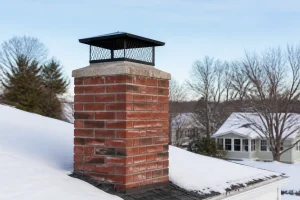
Think of your chimney cap as the guardian of your chimney. Perched atop your flue, it’s typically made of metal and serves several vital functions:
- Rain and Snow Protection: Keeps moisture out, preventing damage to the flue lining and fireplace interior, which can lead to costly repairs and rust.
- Debris Shield: Blocks leaves, twigs, nesting materials, and urban fallout from clogging your flue. This is especially critical in tree-lined areas like Chestnut Hill or historic sections of Philadelphia, where falling debris is common.
- Spark Arrestor: Prevents embers from escaping the chimney and landing on your roof or nearby combustible materials – a crucial safety feature, especially during dry seasons.
- Wildlife Deterrent: This is where mesh size truly shines, keeping animals from setting up residence in your chimney.
The Crucial Role of Mesh Size: Your Home’s First Line of Defense
The mesh on your chimney cap isn’t just for show; it’s engineered for protection. The size of these openings dictates what can and cannot enter your chimney. Too wide, and you might as well have no mesh at all. Too fine, and you risk other issues. Let’s explore why this matters so much for homeowners in our region.
Protecting Your Home from Unwanted Wildlife
Urban and suburban areas like Cherry Hill and the greater Philadelphia region are home to a surprising array of wildlife. Squirrels are notorious for seeking warm, dry places to nest, and an open chimney is an inviting proposition. Birds, particularly starlings and pigeons, often build nests on ledges or directly inside flues. And let’s not forget about raccoons, opossums, and even bats, which can all squeeze into surprisingly tight spaces.
A properly sized mesh screen is your best defense. A 2018 study on urban wildlife found that chimney access accounted for nearly 15% of all residential wildlife entry points in metropolitan areas. Having the correct mesh size prevents these critters from turning your chimney into their new home, sparing you from disturbing noises, unpleasant odors, and the mess of nesting materials and droppings. Plus, trapped animals can create dangerous blockages, leading to smoke backing up into your home or even fire hazards.
Blocking Debris and Maintaining Airflow
Beyond wildlife, your chimney is constantly exposed to the elements and environmental debris. Leaves, twigs, branches, and even airborne pollutants from city life can accumulate rapidly. A good mesh size ensures these elements don’t create significant blockages within your flue. For optimal performance, your chimney needs consistent airflow. If debris builds up, it can restrict this flow, reducing efficiency and potentially leading to creosote buildup, which significantly increases fire risk.
Common Chimney Cap Mesh Sizes Explained
When selecting a chimney cap, the mesh size is a critical factor. Here are the most common options and what they mean for your home:
- 1/2-inch Mesh: This is the most common and often recommended standard. It’s an excellent all-around choice, effectively blocking squirrels, raccoons, larger birds, and most types of debris, while still allowing for good airflow. For most homes in Cherry Hill, NJ, and Philadelphia, this size strikes the right balance. Its effectiveness in preventing critters from nesting is similar to the thorough protection offered by Duct Sealing for Animal Shelters.
- 3/4-inch Mesh: Slightly wider than 1/2-inch, this size still offers good protection against larger animals and debris. However, smaller birds or very tiny critters might be able to squeeze through. It generally provides slightly better airflow but with a minor reduction in small pest deterrence.
- 1/4-inch Mesh (or finer): While offering superior protection against even the smallest insects or embers, these finer meshes can easily become clogged with soot, creosote, or even heavy rain. They often require more frequent inspection and cleaning to maintain proper airflow, much like the careful maintenance required after a thorough Flexible Duct Cleaning.
Choosing the right mesh size involves balancing protection with airflow. Our experts at Duct Duct Ccleaning LLC can help assess your specific needs, considering factors like local wildlife activity, surrounding foliage, and chimney usage.
Installation and Maintenance: When to Call Duct Duct Ccleaning LLC
Installing or replacing a chimney cap, especially on multi-story homes common in South Philly or other older Philadelphia neighborhoods, can be dangerous without proper equipment and experience. Furthermore, regular inspection and cleaning of your chimney cap and flue are essential to ensure continued safety and efficiency. A clogged mesh, regardless of its initial size, can negate all its protective benefits and create new hazards.
For homes in Cherry Hill, NJ and even right across the bridge in Philadelphia, Duct Duct Ccleaning LLC offers expert chimney services, including chimney cap installation, inspection, and repair. We ensure your cap is not only the correct mesh size but also properly secured and maintained. Remember, proactive maintenance is key to preventing more significant issues down the line.
If you’re in the Philadelphia area, you can learn more about our dedicated Duct Duct Ccleaning LLC in Philadelphia services. Our commitment to safety and quality extends far and wide, from assisting homeowners in Cherry Hill to providing crucial chimney care for residents in places as far-reaching as Duct Duct Ccleaning LLC in Boston and the communities served by Duct Duct Ccleaning LLC in Detroit. We understand the unique challenges various climates pose, much like the precise requirements for maintaining air quality in environments like Duct Sealing for Ports or even specialized situations requiring Duct Sealing for Money Transfer Services. Don’t hesitate to reach out to us at (609) 507-0043 for peace of mind.
Frequently Asked Questions About Chimney Caps and Mesh
Q1: How often should I check my chimney cap?
A: We recommend a visual inspection from the ground at least twice a year, ideally before the heating season and again in spring. A professional chimney inspection, which includes the cap, should be done annually.
Q2: Can I install a chimney cap myself?
A: While possible, it’s generally not recommended for DIYers due to safety risks (working on roofs, potential for falls) and the need for proper installation techniques to ensure it functions effectively and doesn’t come loose. Professional installation by Duct Duct Ccleaning LLC ensures safety and correct sizing.
Q3: What if an animal is already in my chimney?
A: Do NOT try to remove it yourself. This can be dangerous for both you and the animal, and if the animal has young, it could lead to more problems. Contact a professional wildlife removal service, and then have Duct Duct Ccleaning LLC inspect and cap your chimney once the animal is gone.
Q4: My chimney cap is rusty. Do I need a new one?
A: Minor surface rust might be manageable with treatment, but significant rust indicates material degradation. Rust can weaken the cap’s structure, causing holes in the mesh or loosening its grip on the flue. It’s usually a sign that replacement is due to maintain optimal protection.
Q5: Can a chimney cap prevent downdrafts?
A: While a standard cap isn’t primarily designed for downdraft prevention, some specialized caps (known as “wind directional caps” or “draft-inducing caps”) are designed to help alleviate downdraft issues, particularly in windy areas or those with specific architectural challenges.
Ready to Protect Your Home?
Your chimney cap is a small investment that offers enormous protection against wildlife, debris, and potential fire hazards. Don’t leave your chimney vulnerable to the elements or unwanted guests. If you’re in Cherry Hill, NJ, or surrounding areas, and