Smoke Backup? Investigating Common Chimney Blockages in Cherry Hill Homes
Imagine this: It’s a crisp autumn evening in Cherry Hill. The leaves are painting your neighborhood in vibrant hues of red and gold. You decide to ignite a cozy fire in your fireplace, looking forward to that comforting crackle and warmth. But instead of drawing gracefully up the chimney, smoke billows back into your living room, stinging your eyes and filling the air with a acrid odor. This isn’t just an annoyance; it’s a clear warning sign from your chimney, indicating a significant blockage within its intricate structure. Understanding the root cause of this smoke backup is crucial, not just for restoring your fireplace’s functionality, but for ensuring the safety and air quality of your Cherry Hill home.
At Duct Duct Ccleaning LLC, we frequently encounter homeowners throughout Cherry Hill facing precisely this disconcerting scenario. A chimney, often perceived as a simple vertical shaft, is actually a complex system designed to efficiently draw hazardous combustion byproducts out of your home. When that system is compromised, the consequences can range from uncomfortable smoke inhalation to serious fire hazards or even carbon monoxide poisoning. Let’s delve into the common culprits behind chimney blockages and how they manifest.
Q: What are the tell-tale signs of a chimney blockage?
A: Before we investigate the causes, it’s vital to recognize the symptoms. A smoke backup is, of course, the most undeniable indicator, but other signs often precede it or accompany less severe blockages:
- Smoke entering the room: The most obvious sign. Instead of going up, smoke drifts back into your home.
- Unusual odors: A strong, lingering smoky smell even when the fire isn’t burning, or a distinct odor of burning wood or creosote permeating the house.
- Poor draft: The fire struggles to get going or burns sluggishly, even with ample kindling. You might observe flames flickering uncertainly rather than drawing cleanly upwards.
- Soot and debris falling into the fireplace: Small chunks of soot, creosote, or even twigs and leaves appearing in your firebox are definite red flags.
- Strange noises from the chimney: Scratching, chirping, or rustling sounds can indicate animal presence, especially during nesting seasons here in Cherry Hill.
- Visible blockages: Occasionally, a quick visual check from the ground or a simple inspection with a flashlight can reveal a bird’s nest or debris at the top of the flue.
Q: What are the most common culprits behind chimney blockages in Cherry Hill homes?
A: While the specific nature of a blockage can vary, several issues repeatedly surface as the primary offenders. Understanding these allows for better prevention and more effective diagnosis.
Creosote Buildup
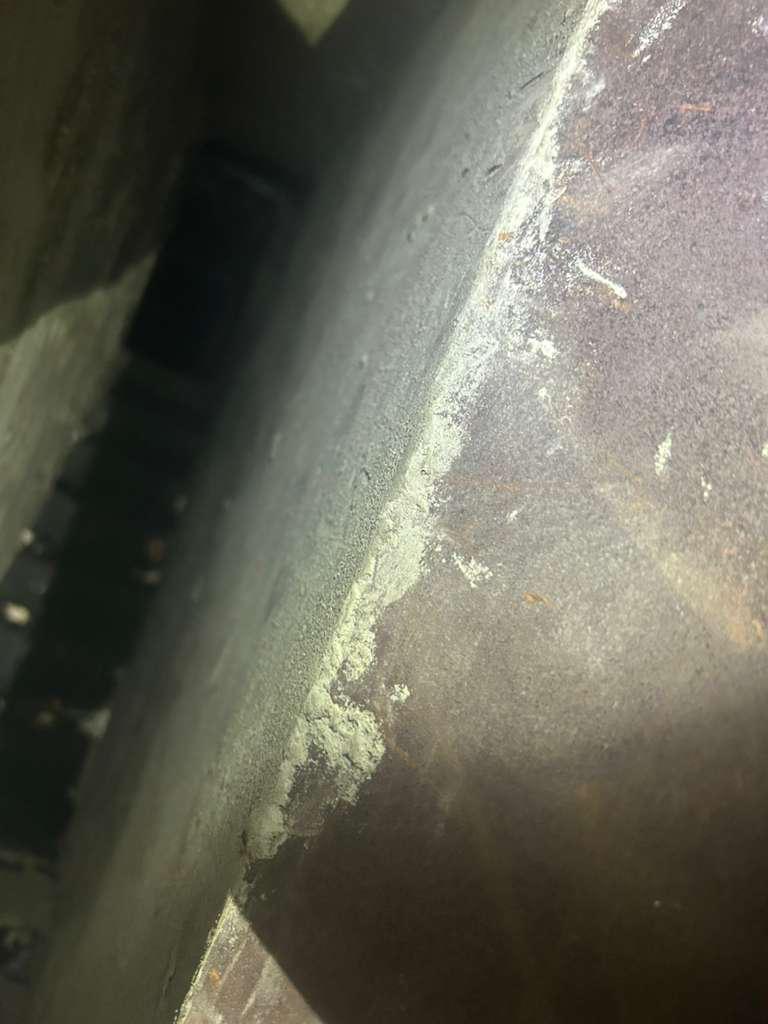
Creosote is a highly flammable byproduct of incomplete wood combustion. When wood burns, gases, unburnt wood particles, and water vapor travel up the chimney. As these cool, they condense on the cooler inner surfaces of the flue, forming creosote. It starts as a powdery soot, progresses to a flaky or tarry deposit, and can eventually harden into a shiny, glazed, extremely flammable layer. Over time, thick layers of creosote can significantly restrict the flue, impeding proper draft and becoming the leading cause of chimney fires.
Burning unseasoned wood (wood with high moisture content), restricting air to a fire to make it smolder, or having an oversized flue for your fireplace can all accelerate creosote formation. Many homeowners in Cherry Hill underestimate the rate at which creosote accumulates, making annual inspections and cleanings indispensable.
Animal Nests & Debris
Our suburban environment in Cherry Hill, with its mature trees and green spaces, makes homes attractive nesting sites for various critters. Birds (especially swifts), squirrels, raccoons, and even bats often view an open chimney flue as an ideal, sheltered location to raise their young. They bring in twigs, leaves, mud, and other nesting materials, which can quickly create a formidable blockage. Beyond obstructing airflow, animal nests pose additional risks:
- Fire Hazard: Nests are highly combustible. Sparks from a fire can easily ignite them.
- Odor & Disease: Deceased animals or droppings can create unpleasant odors and attract insects, potentially transmitting diseases.
- Pest Infestation: A nesting site in the chimney can lead to other pests finding their way into your home.
Apart from animal nests, falling leaves, twigs from nearby trees, or even detached pieces of the chimney itself (like crumbling mortar or flue tiles) can accumulate and form a blockage.
Damaged or Deteriorated Flue Liners
The flue liner, typically made of clay tiles, metal, or a cast-in-place material, is critical for containing the combustion byproducts, protecting the chimney’s masonry from heat and corrosive gases, and providing a smooth surface for efficient drafting. Over years of use, extreme temperature fluctuations, or impact (such as a chimney fire), these liners can crack, shift, or deteriorate. When this happens, sections can collapse, creating an internal blockage. Furthermore, a compromised liner makes the chimney unsafe to use, allowing heat and gases to penetrate the masonry, potentially igniting nearby combustible materials in your home’s structure. Regular chimney inspections are key to identifying and addressing liner damage before it becomes a hazard.
Damper Problems
The damper is a movable plate or valve located at the throat of the fireplace, designed to seal off the chimney when not in use and control the draft when a fire is burning. If the damper is rusted, bent, broken, or simply not fully open, it can severely restrict the flow of smoke and gases. A partially closed damper acts as a choke point, causing smoke to back up into the room. Sometimes, creosote or debris can accumulate on the damper plate or its mechanism, preventing it from opening fully. Even a small impediment can significantly impact your chimney’s performance. For related services, this helpful resource offers excellent solutions.
Soot and Ash Accumulation
While often contributing to creosote, excessive soot and ash accumulation can also become a blockage in their own right, especially in smaller flues or if a chimney has been neglected for an extended period. This fine, black powder is a byproduct of combustion. While not as sticky or volatile as creosote, enough of it can reduce the effective diameter of the flue, impacting draft efficiency. While it’s rarely the sole cause of a complete smoke backup, it’s often an exacerbating factor, particularly if other blockages are present.
Improper Chimney Cap Installation/Damage
A chimney cap serves multiple crucial functions: it keeps out rain, prevents downdrafts, and acts as a barrier against animals and debris. If a chimney cap is missing, damaged, or improperly installed, it can paradoxically contribute to blockages. A cap that has shifted or rusted away can create an obstruction. Similarly, the mesh screen on a cap, designed to keep out animals, can become clogged with leaves, soot, or creosote, particularly if the mesh is too fine or has not been cleaned regularly. This turns a protective measure into a restrictive one, preventing proper airflow.
Q: How do these blockages impact my home’s safety and air quality?
A: The implications of a blocked chimney extend far beyond an unpleasant smell. Safety is paramount. Blockages, especially those caused by creosote, are direct fire hazards. Chimney fires can be incredibly destructive, potentially spreading to the rest of your home. Even less obvious issues, like minor blockages leading to inefficient burning, can allow dangerous gases like carbon monoxide (CO) to spill back into your living space. CO is odorless and invisible, making it a silent killer. Moreover, poor ventilation means your home’s indoor air quality suffers. Unvented combustion byproducts introduce particulate matter, allergens, and other irritants into your environment. Just as problems with your home’s ductwork might necessitate services like Duct Sealing for Dust Reduction to improve overall air quality, addressing chimney blockages is a fundamental step in ensuring healthy indoor air. Neglecting these issues can even impact the long-term integrity and efficiency of your home’s systems, potentially leading to costly repairs that might even affect how certain home systems qualify for Duct Sealing for Warranty Services if related issues arise from neglect.
Q: Can I prevent chimney blockages myself?
A: While a professional cleaning and inspection are indispensable, homeowners in Cherry Hill can take several proactive steps:
- Burn Seasoned Wood: Always use wood that has been seasoned (dried) for at least 6-12 months. Seasoned wood burns hotter and produces less creosote.
- Ensure Proper Airflow: Don’t try to dampen your fire down too much, as this promotes smoldering and creosote formation. Keep the damper fully open when the fire is burning.
- Install a Chimney Cap: If you don’t have one, or if yours is damaged, invest in a quality cap with a spark arrestor and animal screen. This is one of the easiest ways to prevent animal intrusion and debris.
- Regularly Clean Out Ash: While not a direct flue blockage, maintaining a tidy firebox contributes to better overall chimney health.
- Listen and Observe: Pay attention to how your fire burns, the smell in your home, and any unusual noises from the chimney. Early detection is key.
Frequently Asked Questions About Chimney Blockages
Q: How often should I have my chimney inspected and cleaned in Cherry Hill, NJ?
A: The National Fire Protection Association (NFPA) recommends annual inspections of all chimneys, fireplaces, and vents. If you use your fireplace frequently (more than once or twice a week during the heating season), annual cleaning is also strongly advised. Even if you use it less, an annual inspection will identify any blockages or deterioration before they become serious problems.
Q: Is it safe to use a fireplace with a known blockage?
A: Absolutely not. Using a fireplace with a known blockage is extremely dangerous. It dramatically increases the risk of a chimney fire, carbon monoxide poisoning, and smoke damage to your home. Do not use your fireplace until the blockage has been professionally cleared and the chimney inspected for any related damage.
Q: Can a DIY solution clear a chimney blockage?
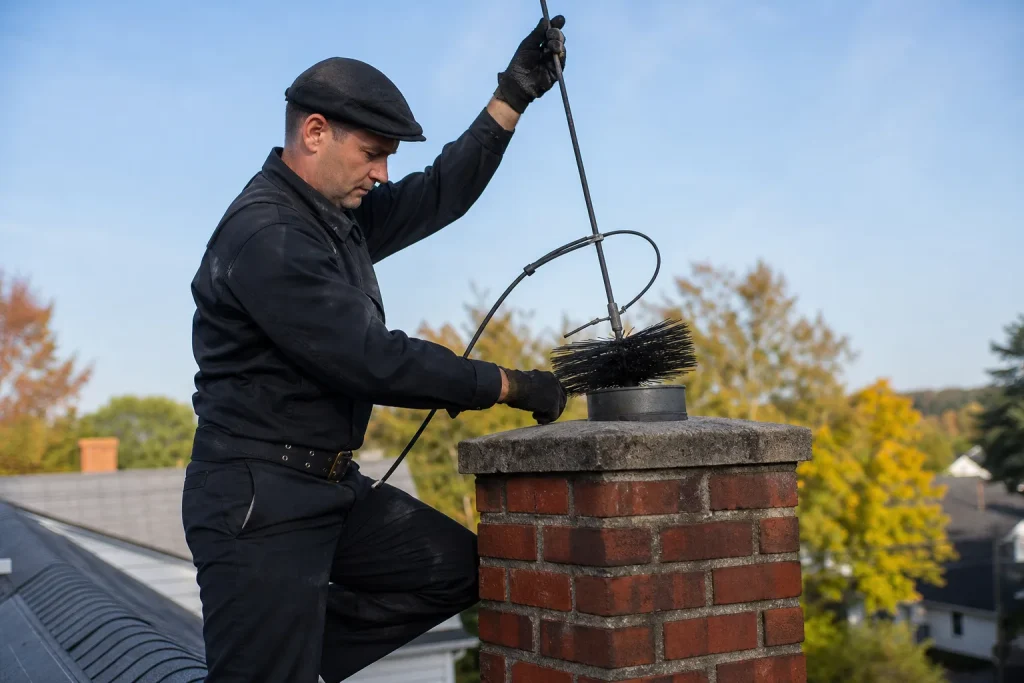
A: While some minor, accessible debris might be removable, attempting to clear a chimney blockage yourself, especially one caused by significant creosote buildup or animal nests deep within the flue, is not recommended. Professional chimney sweeps have specialized tools, training, and experience to safely and effectively clear blockages without causing damage to the chimney structure. They also know how to properly handle animal removals and creosote. Your safety and the integrity of your chimney are best left to professionals.
Don’t let a blocked chimney turn your cozy Cherry Hill evening into a smoky nightmare. If you suspect a chimney blockage or haven’t had your chimney inspected in a while, it’s time to act. For thorough, professional chimney cleaning and inspection services, residents of Cherry Hill, NJ, trust Duct Duct Ccleaning LLC. We’re here to ensure your chimney is clear, safe, and ready to keep you warm. Call us today at 8565880352 to schedule your appointment and breathe easier knowing your home is protected.