Philadelphia Homeowners: The Unseen Dangers of Creosote Buildup in Your Chimney
As the crisp autumn air sweeps through historic streets from Society Hill to Manayunk, and the promise of a cozy Philadelphia winter beckons, many homeowners begin to dream of crackling fires. There’s nothing quite like the warmth and ambiance of a fireplace on a chilly evening. However, beneath that inviting glow lurks an unseen danger: creosote buildup in your chimney. At Duct Duct Ccleaning LLC, we’re dedicated to ensuring the safety and comfort of homes in Cherry Hill, Philadelphia, and the surrounding areas. Let’s break down the hidden “costs” of neglecting this critical home maintenance task.
The Hidden “Cost” of Creosote: A Major Fire Hazard
Creosote is a highly flammable, tar-like substance that forms as a byproduct of burning wood. When wood burns incompletely, volatile organic compounds, unburnt carbon particles, and moisture condense on the cooler surfaces of your chimney flue. Over time, these deposits accumulate, transforming from flaky soot to a hard, glazed, extremely flammable layer. The more you use your fireplace without proper cleaning, the thicker and more dangerous this layer becomes.
Statistical Insight: The Chimney Safety Institute of America (CSIA) reports that creosote accumulation is the leading cause of chimney fires, accounting for an estimated 25,000 residential chimney fires annually in the U.S. These fires can reach temperatures of up to 2,000 degrees Fahrenheit, hot enough to damage your chimney’s structure, ignite nearby combustible materials, and even spread to the rest of your home. For homeowners in older Philadelphia properties, many with original brick chimneys, this risk is particularly acute, as structural integrity might already be compromised over decades.
The Chemical Breakdown of Danger
Creosote develops in three stages:
- Stage 1: Fluffy Soot. This is primarily carbon soot, relatively easy to remove with a brush.
- Stage 2: Tar-Like Flakes. When moisture combines with soot and hot flue gases, it creates hard, brittle flakes, similar to asphalt. This is more difficult to remove.
- Stage 3: Glazed Creosote. The most dangerous form, this is a shiny, hardened layer, often sticky or crusty, that is highly concentrated with fuel and extremely challenging to remove without specialized tools and techniques. This type is a direct fuel source for chimney fires.
Each stage poses an increasing fire risk, demanding professional attention. While homeowners focus on chimney safety, Duct Duct Ccleaning LLC also supports optimal indoor environments for various commercial clients, addressing concerns from fast food restaurants to ensuring efficient systems for government facilities, extending our expertise beyond residential concerns.
The “Cost” to Your Home’s Structure and Integrity
Beyond the immediate fire risk, prolonged creosote buildup can cause significant structural damage to your chimney itself, leading to costly repairs. The extreme heat of a chimney fire can crack or break your flue liner, compromising its ability to contain smoke and heat. If your chimney lacks a proper liner, or if an existing one is damaged, toxic gases like carbon monoxide, along with intense heat, can escape into your living space, or even ignite wooden framing within the walls.
For homes in areas like South Philly or Chestnut Hill, where many chimneys are decades, if not centuries, old, this structural compromise can be catastrophic. The freeze-thaw cycles common to the Philadelphia climate already put stress on masonry, and creosote damage only exacerbates these issues.
Beyond the Firebox: Flue Damage
A damaged flue liner isn’t just a safety hazard; it also affects your chimney’s performance. Cracks allow heat to escape prematurely, reducing your fireplace’s efficiency. They can also create drafts, drawing more creosote-forming particles into the flue. A proper inspection by professionals, such as those at Duct Duct Ccleaning LLC in Philadelphia, can identify these issues before they escalate, saving you from much higher repair costs down the line.
The “Cost” to Your Health: Indoor Air Quality Risks
A chimney clogged with creosote doesn’t just present a fire risk; it can also hinder proper ventilation. When the flue is restricted, smoke and combustion byproducts are more likely to back up into your home. This introduces unpleasant odors and, more dangerously, carbon monoxide – a colorless, odorless gas that can be lethal. While often associated with furnaces, any fuel-burning appliance can produce CO if not properly vented.
Unpleasant Odors and Beyond
Even without a complete blockage, creosote accumulation often produces strong, acrid odors that can permeate your home, particularly on warm or humid days. This isn’t just an annoyance; it’s an indicator of significant buildup that requires attention. Ensuring good air quality is something we take seriously at Duct Duct Ccleaning LLC, offering not just chimney services but also air duct cleaning and dryer vent cleaning to promote a healthy indoor environment throughout your entire home. Our dedication to safety extends even to the far reaches, with services mirroring those provided by Duct Duct Ccleaning LLC in Detroit and Duct Duct Ccleaning LLC in Pittsburgh, ensuring consistent quality.
The Preventative “Cost”: Regular Chimney Sweeping & Inspections
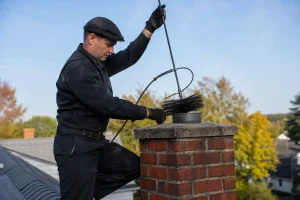
The good news is that these severe “costs” are largely preventable. Regular chimney sweeping and inspections are not expenses; they are investments in your home’s safety, efficiency, and longevity. The CSIA recommends an annual inspection for all wood-burning fireplaces, and cleaning as needed. This schedule accounts for varying burning habits and wood types. A professional chimney sweep from Duct Duct Ccleaning LLC will remove dangerous creosote, identify potential structural issues, and ensure your chimney is operating safely and efficiently.
DIY vs. Professional Care
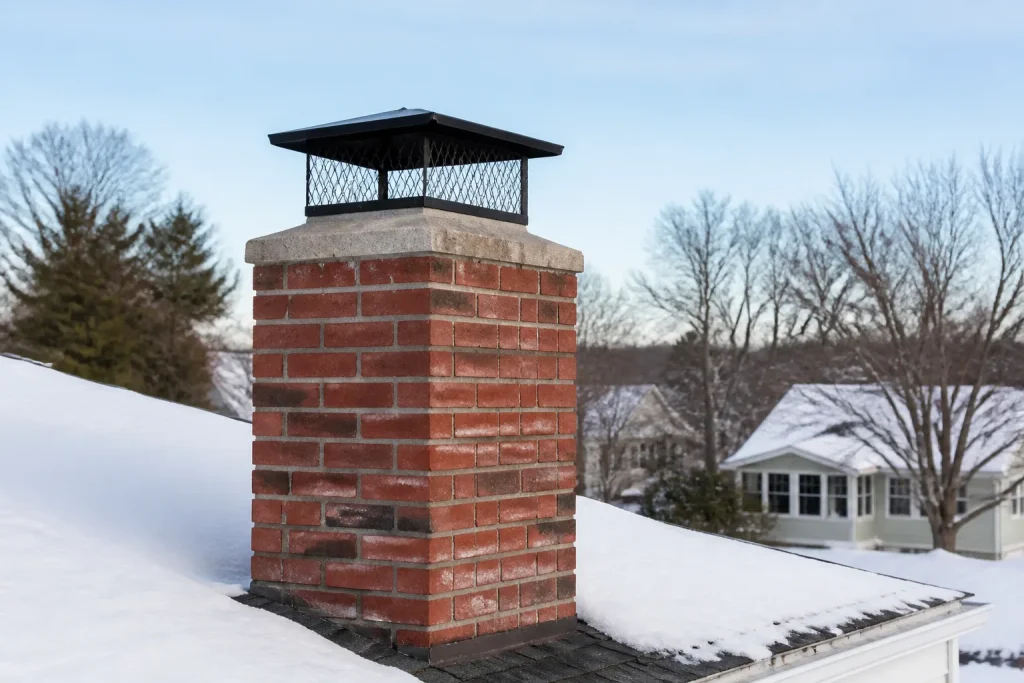
While some homeowners might consider a DIY approach to chimney cleaning, it’s rarely effective for removing anything beyond light soot. Glazed creosote, especially, requires specialized brushes, tools, and expertise to remove safely without damaging the flue. Furthermore, professional inspections check for far more than just creosote – they assess the entire chimney system, including the crown, flashing, and liner, identifying hazards that a homeowner might miss. Don’t risk the safety of your Philadelphia home with an incomplete job.
FAQ Section: Your Creosote & Chimney Safety Questions Answered
Here are some common questions Philadelphia homeowners ask about creosote and chimney maintenance:
Q1: How often should I have my chimney cleaned?
A: The Chimney Safety Institute of America (CSIA) recommends that chimneys be inspected annually, and cleaned as needed. If you burn frequently, or mostly use softwoods, you may need more frequent cleaning.
Q2: What are the signs of creosote buildup?
A: Visible black residue inside the flue, a strong tar-like odor coming from the fireplace, difficulty getting fires started, and smoke backing up into the room are all indicators.
Q3: Can I burn anything besides wood to avoid creosote?
A: Only burn seasoned (dried) firewood. Burning green wood, trash, or artificial logs not specifically designed for fireplaces can increase creosote production and release harmful chemicals.
Q4: Is creosote dangerous if it’s just a little bit?
A: Any amount of creosote can act as fuel for a fire. While a small amount might not immediately ignite, it’s the starting point for larger, more dangerous accumulations. It’s always best to keep the flue as clean as possible.
Q5: What’s the difference between a chimney sweep and an inspection?
A: A chimney sweep focuses on removing soot, creosote, and blockages. An inspection is a detailed examination of the entire chimney structure and flue, assessing its condition, integrity, and safety.
Q6: Does Duct Duct Ccleaning LLC offer dryer vent cleaning too?
A: Yes! In addition to our comprehensive chimney services, we also specialize in professional dryer vent cleaning, another crucial service to prevent household fires and improve appliance efficiency.
Protect Your Philadelphia Home: Schedule Your Chimney Service Today!
Don’t let the unseen dangers of creosote buildup threaten your home or your family’s safety. As the cooler months approach, now is the perfect time to ensure your chimney is clean, safe, and ready for use. Duct Duct Ccleaning LLC is your trusted partner for expert chimney services, air duct cleaning, and dryer vent cleaning, proudly serving homeowners in Philadelphia, Cherry Hill, NJ, and surrounding communities.
Protect your investment and enjoy your fireplace with peace of mind. Call Duct Duct Ccleaning LLC today at (609) 507-0043 to schedule your professional chimney inspection and cleaning. Our experienced technicians are ready to make your chimney safe this season.