Philadelphia Chimney Caps: Essential Protection Against Weather and Wildlife
Sarah, a homeowner just off Broad Street, loved her cozy brick row home. One brisk autumn evening, curled up by her fireplace, she heard a strange scratching from within the chimney. It wasn’t Santa; it sounded like something frantic, trapped, and definitely unwelcome. The next morning, a tell-tale mess of twigs and leaves spilled into her fireplace, along with droppings. Her worst fears confirmed: a family of raccoons had found their way in, drawn by the unprotected opening. This scenario, unfortunately, is all too common for homeowners across Philadelphia, from Chestnut Hill to Fishtown, highlighting a crucial oversight: the lack of a proper chimney cap.
You’ve invested in your home, its comfort, and its safety. The last thing you want is a preventable problem turning into an expensive repair or, worse, a fire hazard. At Duct Duct Ccleaning LLC, we understand these concerns deeply. As specialists in chimney services, air duct cleaning, and dryer vent cleaning, we frequently see the damage and disruption caused by uncapped chimneys. This guide is designed to empower you with the knowledge to protect your home effectively, ensuring peace of mind, especially with the diverse weather and vibrant wildlife in our region.
Why a Chimney Cap Isn’t Just an Accessory – It’s a Necessity
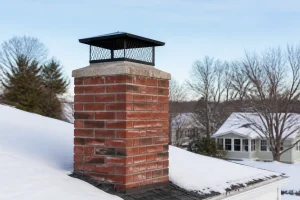
Think of your chimney cap as the unsung hero of your roofing system. It’s not merely a decorative element; it serves several critical protective functions. Without a chimney cap, your flue is an open invitation to various hazards. For instance, according to the Chimney Safety Institute of America (CSIA), proper capping can reduce incidents of water damage and animal intrusion, two leading causes of chimney deterioration and blockages. Whether you’re in the bustling city center or the quieter suburbs around Cherry Hill, NJ, your chimney is exposed, and protection is paramount.
The Two Major Threats Your Chimney Faces
Philadelphia’s climate and urban ecosystem present unique challenges for exposed chimneys. From torrential downpours to significant snowfall, and the persistent presence of local wildlife, a chimney cap is your first line of defense.
Understanding the Threats: Weather & Wildlife in Philadelphia
Our specific climate here in the Greater Philadelphia area, influenced by the Delaware River, brings distinct weather patterns that can wreak havoc on an unprotected chimney. Simultaneously, the city’s robust wildlife population views uncapped chimneys as prime real estate.
Battling Philadelphia’s Elements
- Rain and Snow: The most significant threat is water. Heavy rains and melting snow can pour directly into your flue, causing erosion of the masonry, rusting of metal components (like the damper), and saturation of the chimney liner. Over time, this leads to costly repairs and structural instability. The freeze-thaw cycles common to our winters exacerbate this damage, expanding cracks and accelerating deterioration.
- Wind and Debris: High winds, especially prevalent during Nor’easters or summer thunderstorms, can whip leaves, twigs, and other rooftop debris directly into your chimney. These blockages can obstruct airflow, leading to smoke backing up into your home or, critically, preventing dangerous combustion byproducts like carbon monoxide from safely exiting.
Keeping Critters Out
Philadelphia is a city rich with nature, which unfortunately means a variety of creatures are always seeking shelter. Without a chimney cap, your chimney stack becomes an irresistible haven, particularly during breeding seasons.
- Birds: Starlings and pigeons are notorious for building bulky nests inside chimneys, often near the top, leading to significant blockages. This can restrict proper drafting and, in some tragic cases, cause carbon monoxide poisoning. Bird nests can also introduce parasites and pathogens.
- Raccoons and Squirrels: These intelligent mammals are expert climbers and can easily gain access to an open flue. Raccoons, known for their destructive tendencies, can even damage the chimney itself trying to get in or out. Their presence often leads to strong odors, unsanitary conditions, and potential disease transmission like roundworm.
- Insects: Wasps, bees, and other insects can also build nests, creating health hazards and entry points for other pests.
Duct Duct Ccleaning LLC has seen firsthand the challenges Philadelphia chimneys face. For comprehensive chimney cleaning services in the city, trust the experts at Duct Duct Ccleaning LLC in Philadelphia. We understand the specific needs of our regional homes.
The Right Cap for Your Philadelphia Home: A How-To Guide
Choosing the correct chimney cap isn’t a one-size-fits-all decision. It depends on your chimney’s structure, the materials, and your budget. Here’s how to approach it:
Step 1: Understand Chimney Cap Types
- Single-Flue Caps: Designed for chimneys with a single flue, these are typically stainless steel or copper. Stainless steel offers excellent durability against Philadelphia’s weather and is resistant to corrosion. Copper provides superior longevity and a classic aesthetic, albeit at a higher cost.
- Multi-Flue Caps (or Top Plate Mount Caps): If your chimney serves multiple appliances (e.g., a fireplace and a furnace, or separate flues for different fireplaces), a multi-flue cap covers the entire chimney crown, protecting all openings while allowing proper ventilation. These are often custom-fabricated.
- Draft-Enhancing Caps: In some cases, specific caps (like those with rotating or aspirator designs) can help improve draft, especially in homes that experience downdrafts due to neighboring tall buildings or strong winds from the river.
Step 2: Consider Materials and Durability
Given Philadelphia’s climate, durability is key. Stainless steel (guaranteed for life by many manufacturers) and copper are highly recommended for their corrosion resistance and ability to withstand temperature fluctuations. Galvanized steel is an option, but its lifespan is significantly shorter compared to stainless steel or copper.
Step 3: Ensure Proper Sizing and Installation
This is arguably the most critical step. A chimney cap must be correctly sized to fit snugly over your flue opening or crown. An ill-fitting cap can be blown off by strong winds, allow water infiltration, or still leave gaps for pests. Professional installation is highly recommended to ensure it’s securely attached and properly sealed.
Installation and Maintenance: Ensuring Lasting Protection
While installing a chimney cap might seem like a straightforward DIY task, it involves working at heights and ensuring a perfect fit to be effective. We strongly advise professional installation to guarantee safety and proper function. The experts at Duct Duct Ccleaning LLC not only help you select the right cap but also ensure it’s installed to last. Beyond chimney care, ensuring the integrity of your home’s various systems is paramount. Just as we prioritize robust chimney protection, other aspects like efficient air distribution contribute to a comfortable and healthy environment. Whether it’s the specialized needs of large venues that might benefit from detailed planning like “Duct Sealing for Sports Event Planning”, or the specific requirements for commercial spaces such as “Duct Sealing for Arcades”, or even critical infrastructure where precision is key, as seen with “Duct Sealing for Prisons”, maintaining system integrity is crucial across the board.
Once installed, annual chimney inspections and cleaning by certified professionals are crucial. This allows for routine maintenance of your cap, addressing any potential damage from severe weather, checking the integrity of the mesh screening, and ensuring your flue remains clear and safe. Regular chimney maintenance prevents creosote buildup, a common cause of chimney fires, and confirms your cap is still providing optimal protection. Think of it as preventative healthcare for your chimney, much like the detailed attention given to chimney cleaning in other major metropolitan areas like
Air duct cleaning, chimney sweeping, and dryer vent cleaning. Same-day service available. Air Duct Cleaning, Chimney Services & Dryer Vent Cleaning Services in New York City: Expert Guide 893 Living… Chicago Fireplace Safety: Navigating Modern Codes for Historic Hearth Installations The crackle of a warm fire on a… Optimizing Fireplace Safety: Identifying and Clearing Unknown Chimney Obstructions in Philadelphia Homes Did you know that your charming…🌀 Need Professional Cleaning?
You Might Also Like
Air Duct Cleaning, Chimney Services & Dryer Vent Cleaning Services in New York City: Expert Guide 893
Chicago Fireplace Safety: Navigating Modern Codes for Historic Hearth Installations
Optimizing Fireplace Safety: Identifying and Clearing Unknown Chimney Obstructions in Philadelphia Homes