New York City Building Regulations: What Apartment Boards Need to Know About Dryer Vent Cleaning for Fire Safety
As an apartment board member in New York City, are you confident your building’s dryer vents comply with all regulations and, more critically, do they meet the highest fire safety standards?
The dense urban landscape of New York City, particularly in multi-unit buildings, amplifies fire risks. A single overlooked maintenance item can jeopardize hundreds of lives and millions in property. Among the most frequently underestimated fire hazards are clogged dryer vents. For apartment boards, understanding NYC building regulations and implementing robust dryer vent cleaning protocols isn’t just good practice; it’s a legal and moral imperative. This ultimate guide distills what you need to know, providing a no-nonsense look at preventing dryer-related fires and ensuring compliance.
The Undeniable Threat: Dryer Vent Fires in NYC
Dryer fires are a silent, insidious threat. According to the National Fire Protection Association (NFPA), between 2014 and 2018, U.S. fire departments responded to an estimated 13,820 home fires involving clothes dryers or washing machines each year. These incidents resulted in 27 deaths, 340 injuries, and $278 million in direct property damage annually. The leading cause? Failure to clean, primarily of dryer vents. In the tight confines of NYC apartments, where laundry facilities might be centralized or distributed, a single lint fire can spread rapidly, leveraging the building’s ventilation systems as conduits.
Beyond the immediate danger, apartment boards face significant liability. Negligence in maintaining common areas, including shared dryer vents, can lead to severe legal and financial repercussions. Proactive maintenance is not merely about safety; it’s about protecting the building’s assets and the board’s fiduciary responsibilities.
NYC Building Codes and Fire Safety Directives
While NYC’s specific building codes may not mandate a precise frequency for dryer vent cleaning, they unequivocally demand safe and operational ventilation systems. The NYC Fire Department (FDNY) consistently emphasizes fire prevention across all building types. Key regulations often referenced include the NYC Mechanical Code and NYC Building Code, which govern the installation, maintenance, and inspection of mechanical ventilation systems. These codes indirectly but effectively require proper dryer vent maintenance by ensuring systems operate as designed and do not pose a fire hazard.
Specifically, all dryer vents must terminate to the outdoors, be made of rigid or semi-rigid metal ductwork (flexible plastic ducts are prohibited for concealed installations), and be free of kinks or obstructions. Any accumulation of lint impeding airflow directly violates the intent of these codes by creating a fire hazard and reducing efficiency. Building managers must ensure these systems are regularly inspected and cleaned to prevent dangerous lint buildup, a service Duct Duct Ccleaning LLC frequently provides for comprehensive Duct Duct Ccleaning LLC in New York properties.
Why Lint Accumulates: The Core Problem
Lint isn’t just a nuisance; it’s highly combustible fuel. Each cycle of a clothes dryer sheds tiny fibers from fabrics, which are expelled with the hot, moist air. Over time, this lint builds up in the dryer vent ductwork, restricting airflow. Restricted airflow causes the dryer to work harder, overheat, and creates an environment ripe for ignition. Lint can accumulate faster in:
- Longer vent runs (common in larger NYC buildings).
- Vents with more bends or turns.
- Older systems with rougher interior surfaces.
- Units that process heavy loads frequently.
This accumulation directly contributes to potential breakdowns and, more critically, fire risk. Regular inspection and cleaning prevent these dangerous buildups, protecting both the appliance and the entire building structure.
Establishing a Proactive Dryer Vent Cleaning Schedule
Assessing Your Building’s Needs
For most residential units, an annual dryer vent cleaning is recommended. However, for large apartment complexes or buildings with communal laundry facilities, cleaning may be required more frequently – every six months, or even quarterly, depending on usage volume. Buildings with particularly long or complex ductwork, often found in older Manhattan or Brooklyn high-rises, may also necessitate more frequent attention.
An initial professional assessment by Duct Duct Ccleaning LLC can determine the specific frequency your building requires. This assessment typically involves inspecting the length and condition of the vent runs, identifying potential obstruction points, and gauging the current lint accumulation. Investing in this preventative measure safeguards residents and complies with the spirit of safety regulations.
The Cleaning Process: What to Expect
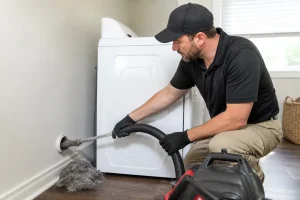
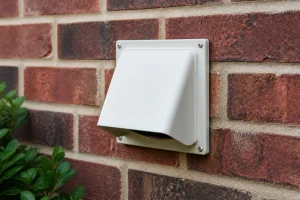
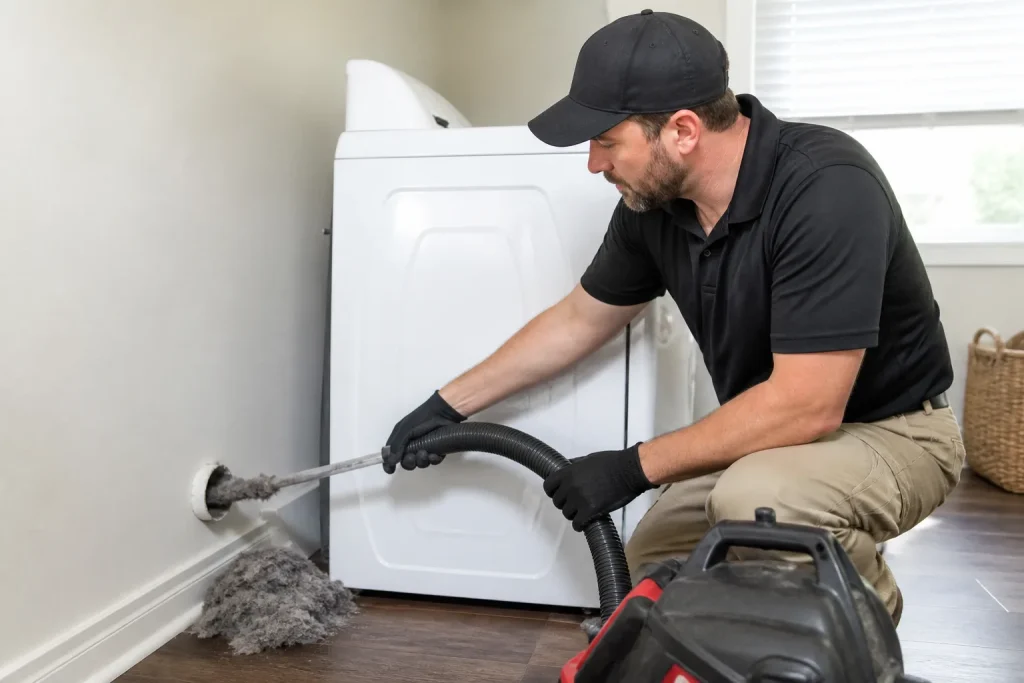
Professional dryer vent cleaning involves specialized tools to thoroughly remove lint and debris from the entire vent line, from the dryer connection to the exterior termination point. This often includes rotary brushes, high-powered vacuums, and air-pressure tools designed to navigate the vent system without damage. A crucial step is ensuring the exterior vent cap is clear and free-moving, as birds or pests often nest here, causing blockages. While our focus here is on dryer vents, our commitment to overall duct health means we also emphasize the importance of maintaining all air conveyance systems. Just as important as dryer vent cleaning for fire safety is ensuring all building ductwork, including HVAC air ducts, is well-maintained and free from issues; addressing concerns like duct leaks for commercial tenants or ensuring efficient airflow in common areas are crucial for property managers overseeing large buildings.
Addressing Common Concerns: FAQ for Apartment Boards
Q1: How often should apartment dryer vents be cleaned?
A: Generally, residential units should be cleaned annually. For multi-unit buildings or communal laundry facilities with high usage, cleaning every 6-12 months is often recommended, depending on the volume of laundry processed and the vent system’s complexity.
Q2: Can building maintenance staff clean dryer vents themselves?
A: While some superficial cleaning might be done, thorough cleaning of long or complex vent runs requires specialized equipment and expertise to ensure complete lint removal without damaging the ductwork. Professional service from Duct Duct Ccleaning LLC ensures comprehensive cleaning.
Q3: What are the signs of a clogged dryer vent?
A: Common signs include clothes taking longer to dry, clothes feeling unusually hot at the end of a cycle, a burning smell from the laundry room, excessive lint on clothes, or a hot dryer exterior. The most critical sign is elevated temperature within the vent.
Q4: Does dryer vent cleaning improve energy efficiency?
A: Absolutely. When dryer vents are clear, dryers operate more efficiently, consuming less energy per cycle. This translates to lower utility bills for the building or residents, in addition to significant fire safety benefits.
Q5: Is dryer vent cleaning required by NYC law?
A: While the NYC Building and Mechanical Codes don’t specify a precise frequency, they mandate that all ventilation systems, including dryer vents, operate safely and without posing fire hazards. Negligence leading to a fire due to a clogged vent would likely be a code violation. Proactive cleaning demonstrates due diligence.
Q6: What types of dryer vents are permissible in NYC buildings?
A: NYC codes typically require rigid or semi-rigid metal ductwork for dryer vents. Flexible plastic or foil accordion-style ducts are generally prohibited, especially for concealed installations, due to their flammability and tendency to kink and collect lint.
From maintaining commercial ductwork for optimal air quality in facilities to ensuring residential fire safety, our commitment spans various essential cleaning services. For example, while this article focuses on dryer vent safety in New York City, our expertise extends to comprehensive fire safety services, including chimney cleaning for those with fireplaces or boilers, a service we proudly offer to communities from Duct Duct Ccleaning LLC in New York to Duct Duct Ccleaning LLC in Chicago and Duct Duct Ccleaning LLC in Boston. We are well-versed in addressing the unique challenges of dense urban environments.