Navigating Historic District Regulations: Essential Chimney Repair Considerations for Philadelphia Homeowners
Regulations in Philadelphia’s historic districts are a draconian overreach, stifling homeowners and making essential repairs impossible. Or so it often feels when you first encounter the stringent requirements for any exterior work on a historic home. However, while the process can certainly be complex, it’s essential to understand that these regulations are ultimately designed to preserve the unique architectural heritage that makes neighborhoods like Society Hill, Rittenhouse, and Old City so desirable. Navigating them successfully, especially for critical elements like chimney repair, requires knowledge, patience, and the right expert partners.
To shed light on this intricate process, we recently sat down with an expert from Duct Duct Ccleaning LLC, a company well-versed in both modern and historic chimney care, serving areas including Cherry Hill, NJ, and extending its expertise to Philadelphia’s historic structures. Our conversation delved into the specifics Philadelphia homeowners must consider when their historic chimney needs attention.
Understanding Philadelphia’s Historic Preservation Mandate
Interviewer: “Let’s start broadly. Many homeowners in Philadelphia’s historic districts feel overwhelmed. What’s the fundamental principle behind these regulations, especially concerning structural elements like chimneys?”
Expert (Duct Duct Ccleaning LLC): “It really boils down to preserving the character-defining features of the city. Philadelphia boasts one of the largest concentrations of historic buildings in the United States, with over 12,000 properties listed on the Philadelphia Register of Historic Places. For chimneys, this means maintaining their original material, design, and even the mortar joint profile. The Philadelphia Historical Commission (PHC) reviews everything from repointing to rebuilding to ensure it adheres to ‘The Secretary of the Interior’s Standards for the Treatment of Historic Properties,’ which are national guidelines. Failing to get prior approval can result in stop-work orders, fines, and even a mandate to undo unapproved work, which is far more costly than proper planning.”
Navigating the Approval Process for Chimney Repair
Interviewer: “So, a homeowner notices crumbling mortar or a leaning chimney. What’s their very first step, practically speaking, before even calling a contractor?”
Expert (Duct Duct Ccleaning LLC): “Before contacting any professional for chimney services, the absolute first step is to assess if your property falls within a historic district or is individually listed. You can usually check the Philadelphia Historical Commission’s website. If it is, then the next step is to understand the specific guidelines for your property and prepare to submit an application to the PHC. This typically involves detailed photographs of the existing condition, architectural drawings or specifications for the proposed repair, and a clear explanation of how the work will meet preservation standards. It’s a paperwork-intensive process, and honestly, many homeowners find it beneficial to work with a contractor who has experience dealing with the PHC, which can streamline things significantly. For instance, whether you’re dealing with a centuries-old brick chimney or a complex commercial venting system, understanding the nuances of proper airflow and material longevity is paramount. Our team, from routine Duct Duct Ccleaning LLC in Philadelphia projects to more intricate tasks, emphasizes adherence to regulations and best practices.”
Material Matters: Matching Brick and Mortar
Interviewer: “You mentioned material and mortar. Philadelphia homes have a vast range of brick types and mortar styles. How critical is matching these, and what happens if original materials aren’t available?”
Expert (Duct Duct Ccleaning LLC): “It’s extremely critical. The PHC prioritizes ‘in-kind’ repair – meaning using the same type, size, texture, and color of brick, and matching the original mortar’s composition, color, and joint profile. Historically, mortar was softer, lime-based, and ‘breathable,’ unlike modern Portland cement mortars. Using the wrong, harder mortar can actually damage older, softer bricks by trapping moisture and leading to spalling, especially in Philadelphia’s freeze-thaw cycles. If original brick isn’t salvageable or readily available, you might need to source salvaged historic brick or replicate it. The PHC often requires mortar analysis to ensure a precise match. This level of detail isn’t just about aesthetics; it’s about structural integrity and the longevity of the repair itself. We apply a similar rigorous approach when considering the efficiency of complex systems, like those involved in Duct Sealing for Refineries, ensuring every component works in harmony for optimal performance.”
Common Chimney Issues in Historic Philadelphia Homes
Interviewer: “What are the most frequent chimney repair challenges you encounter with historic properties in the city?”
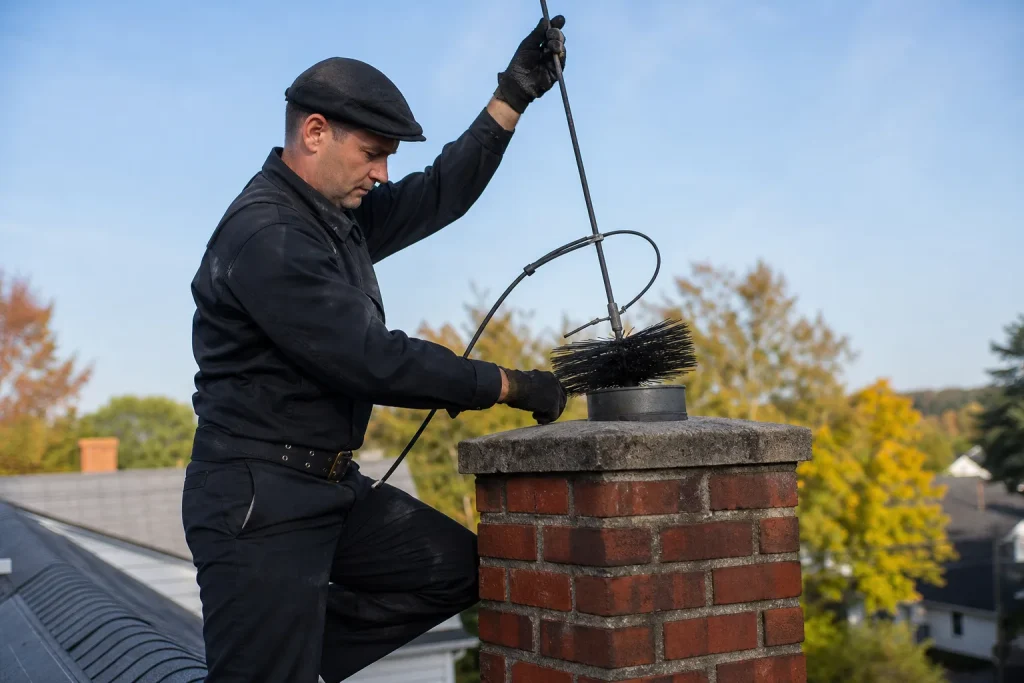
Expert (Duct Duct Ccleaning LLC): “Beyond general wear and tear from age and weather, we often see issues related to improper past repairs. Using modern, hard mortar is a big one. Also, many older chimneys lack proper flue liners, which became standard building code much later. This can lead to significant safety hazards like carbon monoxide leaks or house fires. Water penetration is also a constant battle due to cracked crowns, flashing failures, or porous brickwork, exacerbated by Philadelphia’s humid climate and winter weather. Another common issue is damage from invasive vegetation. Neglecting routine chimney cleaning and inspection compounds these problems, so even without PHC concerns, regular maintenance by a certified professional is paramount. Whether it’s residential chimney upkeep or specialized tasks like Duct Sealing for Cloud Computing Facilities, understanding material interaction and environmental stressors is key to preventing long-term damage.”
The expert paused, adding, “It’s not just Philadelphia, either. Homeowners looking for similar high-standard chimney care, whether it’s Duct Duct Ccleaning LLC in Pittsburgh or Duct Duct Ccleaning LLC in Cleveland, will find our commitment to safety and quality unwavering.”
The Role of Professionals: Choosing Your Partner Wisely
Interviewer: “Given all these complexities, how crucial is it to choose a contractor with specific expertise in historic preservation, not just general chimney repair?”
Expert (Duct Duct Ccleaning LLC): “It’s absolutely paramount. A contractor who understands historic preservation standards can save you immense headaches, time, and money. They’ll know how to navigate the PHC application, understand period-appropriate materials and techniques, and advise on cost-effective, compliant solutions. An inexperienced contractor might use modern methods that violate regulations, leading to rework, fines, or even irreparable damage to your historic structure. Look for certifications, a portfolio of historic projects, and references specific to historic district work. At Duct Duct Ccleaning LLC, our team is trained in these specific nuances, ensuring every repair enhances, rather than detracts from, your home’s historic value. The same level of detail we apply to historic chimney restoration, we bring to other services such as ensuring air quality in varied environments, detailed in areas like Duct Sealing for Arcades, where meticulous attention to air flow is essential.”
FAQ: Historic Chimney Repair in Philadelphia
Q1: Do I need a permit for minor chimney repairs in a historic district?
A1: Generally, yes, if the repair involves the exterior and is visible. Even repointing or replacing a few bricks usually requires PHC approval before a City of Philadelphia Department of Licenses and Inspections (L&I) permit can be issued.
Q2: How long does the PHC approval process typically take?
A2: It varies greatly depending on the complexity of the project and the completeness of your application. Simple approvals can take weeks, while more complex ones requiring review by the full Commission could take months. Plan accordingly.
Q3: Can I update my chimney to modern safety standards, like adding a liner, without violating historic guidelines?
A3: Yes, the PHC generally supports safety improvements. Flue liners, for instance, are often allowed and encouraged, provided the installation does not alter the exterior appearance of the chimney, or any alterations are done in a historically sensitive manner.
Q4: What if my historic chimney is beyond repair? Can I rebuild it?
A4: Rebuilding is usually a last resort but is permissible if deemed structurally unsound or beyond reasonable repair. The rebuild must meticulously replicate the original chimney’s design, materials, and features, often requiring salvaged brick and careful mortar matching.
Q5: Is it more expensive to repair a chimney in a historic district?
A5: Often, yes. The specialized materials, labor-intensive historic techniques, permit processes, and the need for highly skilled craftspeople generally mean higher costs compared to standard repairs on non-historic properties.
Q6: What’s the best way to maintain my historic chimney to avoid major repairs?
A6: Regular, annual professional inspections and cleaning are crucial. Addressing small issues like minor cracks or flashing problems early can prevent larger, more expensive damage. Be proactive, especially with a property as old as many in Philadelphia.
Ready to Preserve Your Historic Philadelphia Home?
Navigating the requirements for historic chimney repair in Philadelphia demands a nuanced understanding of both masonry craftsmanship and local preservation laws. Don’t compromise the integrity or value of your historic home by choosing inexperienced professionals. Duct Duct Ccleaning LLC specializes in comprehensive chimney services, including inspections, cleaning, and repairs for even the most historically significant structures. We understand the specific challenges and regulations of Philadelphia’s historic districts and are committed to delivering work that honors your home’s legacy while ensuring safety and efficiency. For expert chimney care in Cherry Hill, NJ, and surrounding regions, including historic Philadelphia properties, contact us today for a consultation. Call Duct Duct Ccleaning LLC at (609) 507-0043 to discuss your needs and ensure your historic chimney stands strong for generations to come.