Mold & Mildew: The Hidden Threat in Los Angeles Air Ducts
Meet Sarah, a vibrant professional living in a charming 1950s bungalow in Silver Lake, Los Angeles. For months, she’d been plagued by a persistent cough, daily headaches, and a faint, musty odor that no amount of cleaning could dispel. Her doctor initially thought it was seasonal allergies, but the symptoms lingered, growing more intense, particularly after running her air conditioning. Exhausted and frustrated, Sarah wondered if her “dream home” was slowly making her sick. Her story, unfortunately, is not unique. Many Los Angeles homeowners unknowingly harbor a silent, pervasive threat within their homes: mold and mildew lurking in their air ducts.
To shed light on this critical issue, we at Duct Duct Ccleaning LLC consulted with our senior Indoor Air Quality Specialist, David Chen, whose expertise spans decades of helping homeowners maintain healthier indoor environments. While our primary service area is Cherry Hill, NJ, the principles of air quality and the threats of mold are universal, making this a relevant concern for residents from Pasadena to Santa Monica.
Understanding Mold and Mildew in Your Air Ducts
Interviewer: David, let’s start with the basics. What exactly are mold and mildew, and how do they find their way into our air duct systems?
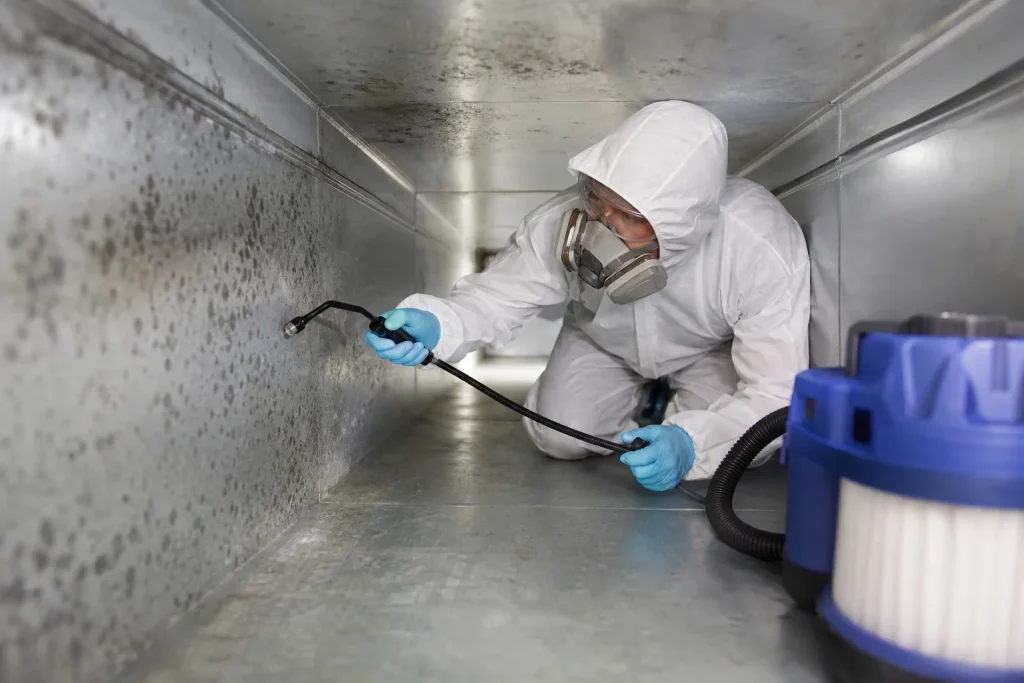
David Chen: Mold and mildew are types of fungi that thrive in damp, dark, and warm environments. They reproduce by releasing microscopic spores into the air, which are virtually everywhere. When these spores land on a surface with sufficient moisture and an organic food source – like dust, lint, or debris often found in air ducts – they begin to grow. Think of your air ducts as a perfect conduit: they’re dark, often have fluctuating temperatures creating condensation, and are rarely cleaned, accumulating all the dust and particulate matter mold needs to flourish.
In a city like Los Angeles, with its diverse microclimates – from the humid coastal areas to the hotter, drier valleys – the conditions can be surprisingly conducive to mold growth. Sudden temperature shifts requiring frequent AC use can create condensation within ductwork, providing that crucial moisture. Poorly sealed ducts can also draw in humid outdoor air, further exacerbating the problem. Ensuring the integrity of your duct sealing for optimal indoor air quality is a fundamental step in prevention.
The Hidden Health Risks of Duct Mold
Interviewer: Sarah’s story highlighted several health issues. Can you elaborate on the potential health risks associated with mold and mildew in air ducts?
David Chen: Absolutely. The health implications can range from mild to severe, depending on the individual’s sensitivity and the type and concentration of mold present. Common symptoms include persistent allergies, asthma exacerbation, skin irritation, headaches, fatigue, and upper respiratory infections. In more severe cases, prolonged exposure can lead to chronic respiratory illnesses, neurological problems, and even immune system suppression. The spores, when circulated throughout your home by the HVAC system, become an invisible assailant, impacting everyone from infants to the elderly. Studies show that indoor air can be 2-5 times more polluted than outdoor air, and hidden mold in ducts is a significant contributor to this statistic.
Preventing moisture intrusion into your ductwork, even through unexpected avenues, is key. Consider, for example, the comprehensive approach of duct sealing for ice removal services in colder climates – the principle of preventing moisture is universal, regardless of the source. While ice isn’t an LA concern, its analogy highlights how crucial sealing is.
Why Los Angeles Homes Are Susceptible
Interviewer: Is there anything unique about Los Angeles or its homes that makes them particularly vulnerable to this issue?
David Chen: Los Angeles is a sprawling city with a wide variety of housing stock. Older homes, especially those built before modern insulation and HVAC standards, often have ductwork that is leaky or poorly insulated, making them prime candidates for condensation. The city’s famed “marine layer” along the coast brings significant humidity, which can infiltrate homes and duct systems. Even inland, summer heat leading to constant AC use can cause internal duct condensation. Furthermore, the prevalence of fires, like those near the Hollywood Hills, and subsequent repairs, can lead to dust and debris settling into vents, creating more fuel for mold growth if moisture is present.
This challenge isn’t unique to LA; urban centers globally face similar indoor air quality battles. Companies like Duct Duct Ccleaning LLC in Los Angeles, Duct Duct Ccleaning LLC in Dallas, and Duct Duct Ccleaning LLC in New York regularly address these issues, showcasing the widespread need for professional intervention.
Identifying the Signs of a Problem
Interviewer: What are some tell-tale signs homeowners should look for if they suspect mold in their air ducts?
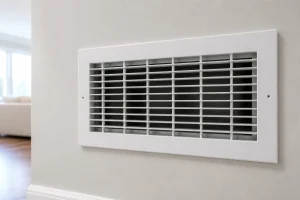
David Chen: The most obvious sign is a persistent musty or damp odor, especially when your HVAC system is running. If you can see visible mold growth around your vents or registers, it’s a clear indication of a larger issue deeper within the ducts. Pay attention to unexplained allergy-like symptoms, increased frequency of respiratory issues, or unusual black or dark spots on ceilings or walls near vents. A significant decrease in airflow from your vents can also be a symptom, as mold growth can impede proper air movement.
The Professional Solution: Air Duct Cleaning
Interviewer: If a homeowner suspects mold, what’s the recommended course of action, and how does professional air duct cleaning by Duct Duct Ccleaning LLC address this?
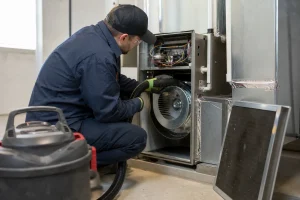
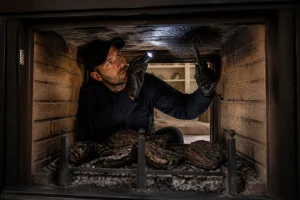
David Chen: First and foremost, do not attempt to clean significant mold growth yourself with household cleaners. You risk spreading spores and exposing yourself to higher concentrations. The recommended course of action is to contact a professional air duct cleaning service like Duct Duct Ccleaning LLC. Our process is comprehensive and designed to safely remove mold and prevent its return. It begins with a thorough inspection using specialized cameras to assess the extent of the contamination.
Next, we use powerful, truck-mounted vacuum systems and specialized rotary brushes to dislodge and remove all contaminants, including mold, mildew, dust, and debris, from the entire ductwork system. This isn’t just a surface clean; it’s a deep scrub of your entire HVAC duct infrastructure. After cleaning, we apply an EPA-approved antimicrobial agent to sanitize the ducts and inhibit future mold growth. Our expert team ensures that every speck of contaminant is safely removed from your home, not just circulated. Properly maintained ducts are even crucial for environments like art galleries, where air quality directly impacts the preservation of valuable collections. This level of detail and care is what Duct Duct Ccleaning LLC brings to every job, whether it’s in Cherry Hill, NJ, or understanding issues common in Los Angeles.
Frequently Asked Questions (FAQ)
-
Q1: How often should I have my air ducts cleaned?
A1: Generally, every 3-5 years is recommended. However, if you have pets, allergies, recent home renovations, or suspect mold growth, more frequent cleaning by professionals like Duct Duct Ccleaning LLC might be necessary. -
Q2: Can I prevent mold in my air ducts myself?
A2: While regular filter changes and ensuring proper humidity levels in your home can help, professional duct cleaning is required to address existing mold. DIY attempts can often exacerbate the problem. -
Q3: Does professional air duct cleaning really make a difference?
A3: Absolutely. Removing accumulated dust, allergens, and mold significantly improves indoor air quality, reduces allergens, enhances HVAC efficiency, and eliminates unpleasant odors, creating a healthier living environment. -
Q4: Will air duct cleaning solve all my allergy problems?
A4: While it can dramatically reduce allergens circulated through your HVAC system, allergies can have multiple triggers. Air duct cleaning is a crucial step in improving indoor air quality, but it’s part of a holistic approach to managing allergies. -
Q5: How do I know if the mold has been completely removed?
A5: A reputable company like Duct Duct Ccleaning LLC will typically perform a post-cleaning inspection, often using cameras, to ensure thorough removal. You should also notice an