Identifying Carbon Monoxide Risks from Chimneys in Philadelphia Homes
As the crisp autumn air transitions into the biting chill of a Philadelphia winter, our thoughts naturally turn to staying warm indoors. For many historic homes across neighborhoods like Society Hill, Germantown, and Fishtown, this means firing up the fireplace or relying on a furnace that vents through a chimney. While cozy and comforting, these traditional heating methods introduce a silent, invisible threat: carbon monoxide (CO).
At Duct Duct Ccleaning LLC, we understand the unique challenges faced by homeowners in Cherry Hill, NJ, and surrounding areas like Philadelphia, especially when it comes to chimney safety. Carbon monoxide is often called the “silent killer” because it’s odorless, colorless, and tasteless, making it incredibly difficult to detect without proper safeguards. This ultimate guide will walk you through the critical risks posed by chimneys in Philadelphia homes and empower you with the knowledge to protect your family.
Understanding the Invisible Threat: Carbon Monoxide
Carbon monoxide (CO) is a by-product of incomplete combustion. When fuels like wood, natural gas, heating oil, propane, kerosene, or coal don’t burn completely, CO gas is produced. In a properly functioning heating system, this gas is safely vented outdoors. However, if the venting system—specifically your chimney—is compromised, CO can leak into your living spaces, rapidly reducing the oxygen-carrying capacity of your blood and leading to serious illness or even death.
With a reported average of over 20,000 emergency room visits annually in the U.S. due to CO poisoning, awareness and prevention are paramount. Older homes in Philadelphia, often charming with their historical character, frequently feature aging chimneys and heating systems that require diligent maintenance to prevent these hazards.
How Chimneys Become Carbon Monoxide Hazards
Your chimney is more than just a decorative feature; it’s a vital exhaust system for dangerous combustion byproducts. Several factors can turn it into a CO risk:
- Blockages: Nests built by birds or squirrels, excessive creosote buildup from wood burning, fallen debris, or even collapsed flue liners can create severe blockages. When exhaust gases can’t escape, they back up into your home.
- Cracked or Damaged Flue Liners: The flue liner is the protective layer inside your chimney, typically made of clay tiles, metal, or a cast-in-place material. Cracks or deterioration can allow CO to seep through the chimney structure and into adjacent rooms or even other floors.
- Improper Venting: Modern high-efficiency furnaces or water heaters often require specific venting requirements. If these appliances are connected to an older, oversized, or improperly maintained chimney flue, exhaust gases might not draft correctly, leading to spillage and CO leaks.
- Negative Air Pressure: Tightly sealed, energy-efficient homes can sometimes create negative air pressure. This means that exhaust fans (bathroom, kitchen, dryer vents) can pull air *down* the chimney instead of letting hot gases rise naturally, drawing CO back indoors. Understanding overall home ventilation, including proper duct sealing for home performance audits, is crucial for safe air dynamics.
Identifying the Signs of a CO Problem
Because CO is undetectable by human senses, recognizing subtle warning signs is crucial. Pay attention to:
1. Physical Symptoms
Initial symptoms of CO poisoning are often mistaken for the flu or common cold, making diagnosis difficult. They include:
- Headache
- Dizziness
- Nausea
- Fatigue
- Shortness of breath
As exposure increases, symptoms worsen, leading to confusion, vision problems, and eventually unconsciousness. If multiple family members experience these symptoms when inside and feel better when outside, CO poisoning should be suspected immediately.
2. Appliance & Chimney Indicators
- Stale or smelly air near fireplaces or fuel-burning appliances.
- Yellow or orange flames (instead of blue) from natural gas appliances.
- Soot or carbon buildup around appliance vents.
- A visible stain or discoloration on walls around the chimney or vents.
- Excessive moisture on windows or walls in combustion appliance areas.
Essential Steps for Carbon Monoxide Prevention
Protecting your Philadelphia home from carbon monoxide requires a multi-faceted approach, centered around diligent maintenance and detection:
1. Install CO Detectors: This is non-negotiable. Install battery-operated or battery back-up CO detectors on every level of your home, especially near sleeping areas. Test them monthly and replace batteries annually.
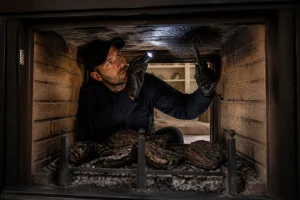
2. Schedule Annual Chimney Inspections & Cleaning: Regular chimney services are vital. For wood-burning fireplaces, a professional chimney sweep like Duct Duct Ccleaning LLC should inspect and clean your chimney annually to remove creosote and debris, ensuring proper drafting. For gas appliances venting through a chimney, an annual inspection will identify structural damage or blockages that impede safe operation. This service is critical for homes throughout the region, whether it’s an historic rowhouse or a newer build in the suburbs.
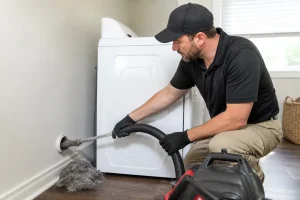
3. Ensure Proper Ventilation: Never block exhaust vents. Be mindful of simultaneously running multiple exhaust fans (like a kitchen hood and a clothes dryer, which could benefit from professional galvanized steel duct cleaning to ensure maximum efficiency and airflow) as this can depressurize your home and pull CO down the chimney. Ensure adequate fresh air intake when using fuel-burning appliances.
4. Never Use Improper Appliances Indoors: Portable generators, charcoal grills, and other outdoor-only fuel-burning equipment should NEVER be used inside a home, garage, or enclosed area, even with open windows.
Choosing the Right Professional for Your Philadelphia Home
When it comes to something as serious as carbon monoxide, you need professionals you can trust. Duct Duct Ccleaning LLC specializes in comprehensive chimney services designed to ensure the safety and efficiency of your home’s heating systems. Our experts are trained to identify and address common and uncommon issues that contribute to CO risks.
Whether you’re looking for expert chimney care in Cherry Hill, NJ, or need advice on preventing CO leaks, our team at (609) 507-0043 is ready to assist. We proudly serve homeowners across the region, understanding the nuances of older homes and the importance of thorough inspections. Our commitment to safety is a core value, extending beyond our local area to broader communities like Duct Duct Ccleaning LLC in Philadelphia, Duct Duct Ccleaning LLC in New York, and Duct Duct Ccleaning LLC in Chicago, where similar architectural challenges exist.
FAQs About Chimney & Carbon Monoxide Risks
Q1: How often should I have my chimney inspected?
A1: The National Fire Protection Association (NFPA) recommends that chimneys, fireplaces, and vents should be inspected at least once a year by a qualified professional, regardless of whether you use them or not. This is crucial for early detection of potential hazards.
Q2: Can a gas furnace produce carbon monoxide if vented through a chimney?
A2: Yes, absolutely. Any fuel-burning appliance, including a gas furnace, can produce CO if its combustion is incomplete or if its venting system (chimney flue) is blocked, damaged, or improperly sized, leading to exhaust gases spilling back into your home.
Q3: What’s the difference between a chimney inspection and a chimney cleaning?
A3: An inspection involves a thorough assessment of the chimney’s structure, flue, and components for damage, blockages, and hazards. Cleaning (sweeping) involves physically removing creosote, soot, and debris. Often, both are performed during the same visit if cleaning is deemed necessary after inspection.
Q4: How many carbon monoxide detectors do I need, and where should they be placed?
A4: You should have at least one CO detector on every level of your home, and specifically outside each sleeping area. For added safety, consider placing one near your furnace or fireplace. Ensure they are placed at least 5 feet from fuel-burning appliances and not directly next to a window or in direct sunlight.
Q5: Are old Philadelphia homes more susceptible to carbon monoxide issues?
A5: Older homes, prevalent across Philadelphia, can indeed be more susceptible. They often have older, sometimes deteriorating, chimney structures and flue liners that may not be up to modern venting standards for newer appliances. Additionally, historical renovations sometimes lead to altered ventilation pathways, necessitating professional assessment.