Historic Philadelphia Homes: Deciphering the Annual Chimney Inspection Checklist for Preservation
The Silent Threat in Philadelphia’s Historic Charm: Ignoring Your Chimney
It’s a harsh truth, but one often overlooked: The romantic allure of a crackling fireplace in a meticulously preserved historic Philadelphia home could be silently harboring a catastrophic emergency. Many homeowners, swept up in the grandeur of Federal, Colonial, or Victorian architecture spanning Society Hill to Chestnut Hill, meticulously restore facades, re-point brickwork, and update interiors. Yet, the very chimney that defines much of the home’s character frequently goes uninspected, year after year, transforming from a quaint feature into a grave hazard. This oversight isn’t merely about aesthetic neglect; it’s a critical lapse in emergency preparedness, risking structural integrity, dangerous carbon monoxide leaks, and devastating chimney fires that threaten not just the property, but its irreplaceable legacy.
The Imperative of Annual Chimney Inspections: Beyond Aesthetics
For residents of Cherry Hill, NJ, and the surrounding historic Philadelphia region, understanding the unique challenges posed by aging infrastructure is paramount. Unlike modern constructions, historic chimneys in properties dating back to the 18th or 19th centuries were built with different materials and codes, if any, often predating current safety standards. A Level 2 chimney inspection, as recommended annually by the Chimney Safety Institute of America (CSIA) and required upon property sale or incident, is not a suggestion but a vital component of homeownership, particularly for these venerable structures. It’s an essential preventative measure, offering peace of mind and, more critically, preventing tragic emergencies that can erase centuries of history in moments.
Deciphering the Comprehensive Checklist for Preservation
A professional chimney inspection by experts like Duct Duct Ccleaning LLC delves deep into the anatomy of your chimney, far beyond what’s visible from your living room. Our meticulous checklist is designed to identify subtle signs of wear, deterioration, and obstruction that can escalate into serious problems, ensuring that your historic home remains safe and sound.
Flue Liners: The Hidden Guardians
The flue liner is your chimney’s first line of defense, a conduit that contains combustion byproducts, protects the masonry from corrosive gases, and prevents heat transfer to combustible materials in your home. In historic Philadelphia homes, these liners can be clay tile, metal, or even non-existent, leaving unlined brick exposed. Inspections meticulously check for cracks, spalling, gaps, or blockages (like creosote buildup or animal nests). A compromised liner can lead to carbon monoxide leaking into your living space, an invisible and odorless killer, or allow intense heat to ignite nearby wooden structures. According to the National Fire Protection Association (NFPA), failure to clean solid-fuel heating equipment, including chimneys, is a leading cause of home heating fires, with tens of thousands reported annually. Protecting your flue is protecting your life and home.
Masonry & Structural Integrity: The Foundation of Safety
From the exposed stack above the roofline to the foundation within the basement, the masonry and structural integrity of the entire chimney system are critical. Our inspections meticulously examine brickwork, mortar joints, and flashing for signs of deterioration typical in older buildings exposed to decades of Mid-Atlantic weather: freezing, thawing, and relentless humidity. Spalling bricks, crumbling mortar, and leaning chimney stacks are not just cosmetic issues; they indicate structural weaknesses that can lead to collapses, leaks into the home, or dangerous shifts that compromise the flue. Addressing these issues promptly is vital for the long-term preservation of the structure and to avoid emergency repairs.
Chimney Cap & Crown: First Line of Defense
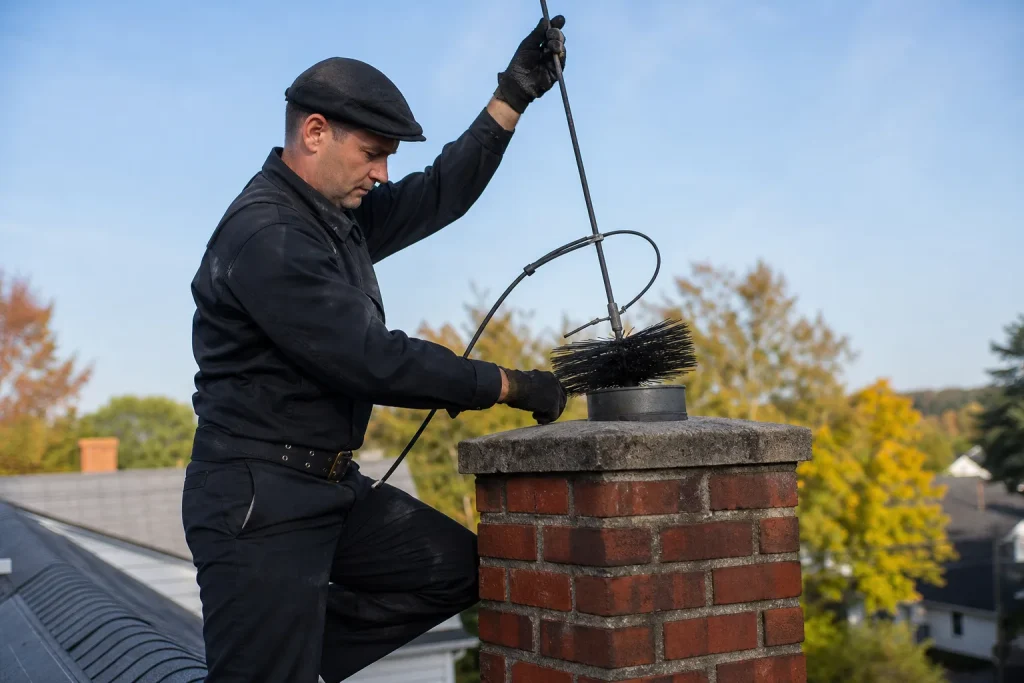
Often overlooked, the chimney cap and crown are essential protective elements. The cap prevents rain, snow, debris, and animals from entering the flue, while the crown seals the top of the chimney from water penetration into the masonry. Cracks in the crown or a missing cap can lead to extensive water damage within the chimney structure, causing deterioration of liners and masonry, fostering mold growth, and introducing moisture into your home. These seemingly small components play a significant role in preventing larger, more costly emergencies down the line.
Firebox & Damper: Operational Readiness
Inside your home, the firebox and damper are inspected for cracks, loose bricks, or missing mortar that could allow heat and flames to escape. The damper’s condition is crucial for proper ventilation and preventing conditioned air from escaping when the fireplace isn’t in use. A malfunctioning damper can lead to inefficient operation, excessive smoke entering your home, or even block the flue entirely, creating a carbon monoxide hazard. Our technicians assess their functionality, ensuring they are properly sealed and operating smoothly.
Creosote & Soot Accumulation: A Volatile Mixture
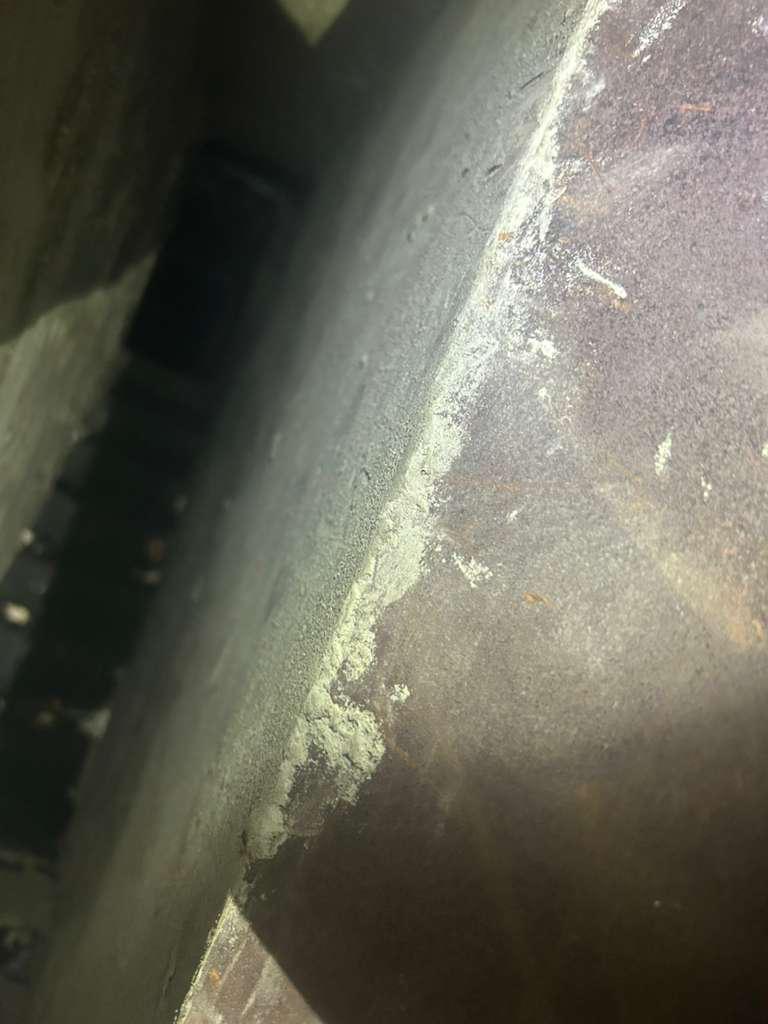
Creosote, a tar-like substance produced during wood combustion, is highly flammable. Layers of creosote buildup, particularly in irregularly shaped or unlined historic flues, are a primary cause of chimney fires. During an inspection, we classify creosote buildup into three stages, recommending appropriate cleaning or repair based on the severity. Regular cleaning, combined with inspection, is non-negotiable for historic homes. This isn’t just about preventing fires; excessive creosote can also reduce chimney efficiency and restrict airflow. As experts in this field, we provide thorough Duct Duct Ccleaning LLC in Philadelphia services to address these critical issues. We also service nearby regions, just as we offer specialized chimney cleaning services for our clients in Duct Duct Ccleaning LLC in New York and Duct Duct Ccleaning LLC in Chicago.
Proactive Measures: More Than Just Inspections
Beyond annual inspections, proactive maintenance is the cornerstone of preserving your historic chimney and ensuring family safety. If our inspection reveals significant creosote buildup, chimney cleaning is immediately recommended. For potential fire damage or smoke issues in older homes, understanding solutions like duct sealing for smoke damage restoration becomes crucial for maintaining indoor air quality and preventing smoke odors from permeating your home’s air duct system. Duct Duct Ccleaning LLC also brings its expertise to various air quality challenges. Our precision in air quality management, exemplified by our advanced techniques in areas like duct sealing for cloud computing facilities, underscores our commitment to meticulous, specialized service across all aspects of air management.
Ignoring these vital aspects for your historic property in Cherry Hill, NJ, could lead to costly repairs, irreversible damage, or, worse, a devastating fire. Don’t wait for an emergency; take preventative action.
FAQ: Historic Chimney Preservation
- Q1: How often should a historic chimney be inspected?
A: Annually, or before the heating season begins, especially if it’s regularly used. A Level 2 inspection is recommended upon property transfer or after any event that might have damaged the chimney. - Q2: Are historic chimneys different from modern ones?
A: Absolutely. They often lack liners, use different mortar types, and may have unique structural designs. These differences necessitate specialized inspection and repair techniques. - Q3: What are the biggest risks for historic chimneys?
A: Deteriorating mortar, unlined or damaged flues, excessive creosote buildup, and water intrusion are among the most common and dangerous issues. - Q4: Can a historic chimney be upgraded to modern safety standards?
A: Yes, often through the installation of a new stainless steel flue liner, repairing masonry, and ensuring proper cap and crown function. These upgrades significantly enhance safety without compromising historical aesthetics. - Q5: Why is carbon monoxide a concern with older chimneys?
A: Cracks or gaps in an unlined or damaged flue can allow carbon monoxide, a byproduct of combustion, to escape into the living space rather than safely exiting through the top of the chimney. - Q6: Does Duct Duct Ccleaning LLC specialize in historic chimney repair?
A: While we specialize in comprehensive inspections, cleaning, and maintenance, we can identify necessary repairs and advise on next steps, often working with historic preservation guidelines to ensure proper restoration.
Your Partner in Preservation and Safety
Ensuring the longevity and safety of your