Decoding the Draft: Troubleshooting Common Chimney Backdrafting Issues in Pittsburgh Homes
The crackling hearth, a symbol of warmth and coziness, has been a central feature in human dwellings for millennia. From ancient Roman villas with their ingenious hypocaust systems channeling heat, to medieval castles keeping out the harsh elements, the fireplace has always been more than just a source of light and heat. It’s been the heart of the home. However, this beloved amenity comes with its own set of quirks and challenges. One of the most perplexing, and potentially hazardous, is chimney backdrafting – when smoke and hazardous gases spill back into your living space instead of venturing harmlessly up the flue. While modern chimneys are designed to prevent this, a variety of factors can disrupt this natural flow. In older homes, particularly those that dot the historic landscapes of areas like Pittsburgh, understanding and troubleshooting these draft issues is paramount for safety and comfort.
Understanding the Mechanics: What is Chimney Backdrafting?
At its core, chimney backdrafting is a failure of the natural draft that is supposed to pull smoke and combustion byproducts upward and out of the chimney. This draft is primarily created by the difference in temperature between the air inside the chimney and the air outside. Hot air is less dense than cold air, and as the gases produced by a fire heat up, they rise. The chimney acts as a vertical conduit, facilitating this upward movement. Think of it like a giant, passive bellows system. When this system falters, those unwelcome gases – including carbon monoxide, a colorless and odorless killer – can be pushed back into your home.
Several forces contribute to a healthy chimney draft: the buoyancy of hot gases, wind action (which can create positive or negative pressure at the chimney top), and the overall airtightness of the house. In days gone by, homes were naturally less sealed. Air leaks around windows, doors, and even through rudimentary building materials allowed a constant, albeit uncontrolled, supply of makeup air to reach the fireplace. Modern energy-efficient homes, with their advanced insulation and vapor barriers, have significantly reduced these natural air leaks. While this is a boon for energy savings, it can inadvertently starve a fireplace of the air it needs to breathe, leading to backdrafting. This is a particular concern in cities like Pittsburgh, where many older homes were built before these energy-efficient standards became commonplace, and their original chimney designs might not account for the sealed nature of modern renovations. For residents in this region, ensuring a properly functioning chimney system is not just about comfort, but about critical safety. Understanding the intricacies of your chimney’s airflow is the first step in preventing potentially dangerous situations. We at Duct Duct Ccleaning LLC in Pittsburgh see this challenge firsthand in many of the beautiful, historic homes throughout the area.
Common Culprits Behind Chimney Backdrafting
Pinpointing the exact cause of backdrafting can sometimes feel like detective work, but by understanding the common culprits, homeowners can start to narrow down the possibilities. These issues often fall into categories related to airflow, blockages, and structural problems.
1. Insufficient Makeup Air
This is arguably the most prevalent cause of backdrafting in modern, tightly sealed homes. Fireplaces and wood stoves consume a significant amount of air for combustion. If the home is too airtight, there isn’t enough replacement air entering the house to support the fire. This creates a negative pressure environment within the home, causing the chimney to attempt to draw air from the path of least resistance – which often means pushing smoke back into the room. Even the operation of exhaust fans in kitchens or bathrooms can exacerbate this problem, pulling air out of the house and further reducing the available makeup air for the fireplace.
2. Blockages within the Chimney or Flue
A healthy chimney is a clear chimney. Any obstruction within the flue can impede the upward movement of smoke and gases. Common blockages include:
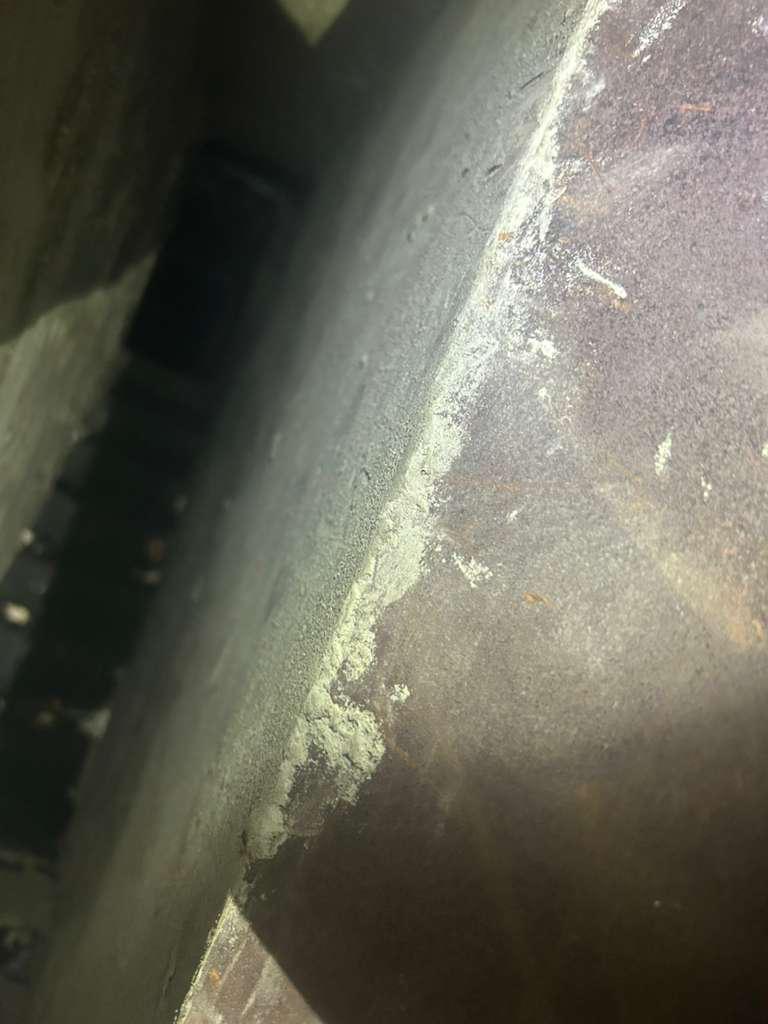
- Creosote Buildup: This is a tar-like residue that forms from the incomplete combustion of wood. It’s flammable and a primary cause of chimney fires, but it also significantly narrows the flue, restricting airflow. Regular cleaning by professionals like Duct Duct Ccleaning LLC is crucial for preventing this.
- Bird Nests and Animal Intrusions: Animals seeking shelter can build nests in chimneys, creating substantial blockages.
- Debris: Leaves, branches, and other outdoor debris can fall into the chimney, especially if the cap is damaged or missing.
- Damaged Flue Liners: A cracked or deteriorated flue liner can collapse, partially or fully obstructing the passage of gases.
3. Chimney Height and Design Issues
The height of the chimney relative to the house and nearby structures plays a crucial role in draft performance. If a chimney is too short, it might not extend above the turbulent air currents that can form around the roofline, leading to downdrafts that push smoke back into the house. Similarly, a chimney that’s too close to taller adjacent structures or trees can experience similar wind-related draft problems.
The size and shape of the flue itself are also critical. A flue that is too large for the fireplace opening can lead to slow-moving, cool smoke that doesn’t create a strong upward draft. Conversely, a flue that is too small can be easily overwhelmed by the volume of smoke produced by a fire.
4. Wind and External Pressure Factors
While wind is a natural component of the atmosphere, it can sometimes work against a healthy chimney draft. Strong winds blowing directly down the chimney can force smoke back into the home. This is often referred to as a downdraft. The prevailing wind patterns in a particular location, as well as the proximity of taller buildings or trees, can contribute to this issue. Areas with strong, variable winds, like those that can occur in the varied topography around Pittsburgh, can present unique challenges for chimney draft.
5. Damper Issues
The damper is a crucial component that controls airflow in the chimney. If the damper is not fully opened, or if it is partially closed or stuck, it will severely restrict the chimney’s ability to draw smoke upward. Some older dampers can also be a source of air leakage, allowing conditioned air from your home to escape up the chimney when the fireplace is not in use, wasting energy.
6. Negative Pressure from Other Appliances
As mentioned regarding makeup air, other household appliances that vent air outside can create negative pressure within the home. This includes kitchen exhaust fans, bathroom fans, clothes dryers (when running their exhaust cycle), and even whole-house ventilation systems. When these appliances are operating simultaneously with a fireplace or wood stove, they can effectively ‘out-compete’ the chimney for available air, drawing smoke back into the living space. It’s important to consider how all the elements of your home’s ventilation system interact, especially when it comes to the safe operation of your fireplace.
Troubleshooting Backdrafting: A Step-by-Step Guide
When you notice smoke or a strange smell when using your fireplace, it’s time to investigate. Remember, safety is paramount. If you suspect a serious issue or are uncomfortable performing these checks, always call a professional. A thorough inspection by a certified chimney sweep is the safest and most effective way to diagnose and resolve backdrafting issues. Services like the ones provided by Duct Duct Ccleaning LLC in Pittsburgh are designed to identify and rectify these complex problems.
Step 1: Assess the Smoke Sign
The most obvious sign is smoke or soot entering the room instead of going up the chimney. You might also notice a persistent odor of smoke or burning wood when the fireplace is not in use. This could indicate air leakage or a minor draft issue even when the fireplace is cold.
Step 2: Check the Damper
Ensure the damper is fully open before lighting a fire. Sometimes, dampers can get stuck or partially closed due to soot buildup or rust. Gently try to move it to its fully open position. If it’s difficult to move, it may need cleaning or repair. You can also check for obvious obstructions at the damper opening.
Step 3: Evaluate Makeup Air Availability
This is a critical step for energy-efficient homes. Try opening a window slightly in the room where the fireplace is located or in an adjacent room. See if this improves the draft. If it does, it strongly suggests a lack of makeup air. Consider installing a dedicated outside air intake kit for your fireplace if your home is very airtight. Also, be mindful of other exhaust fans in your home; turn them off temporarily while operating your fireplace to see if it makes a difference.
4. Inspect for Blockages
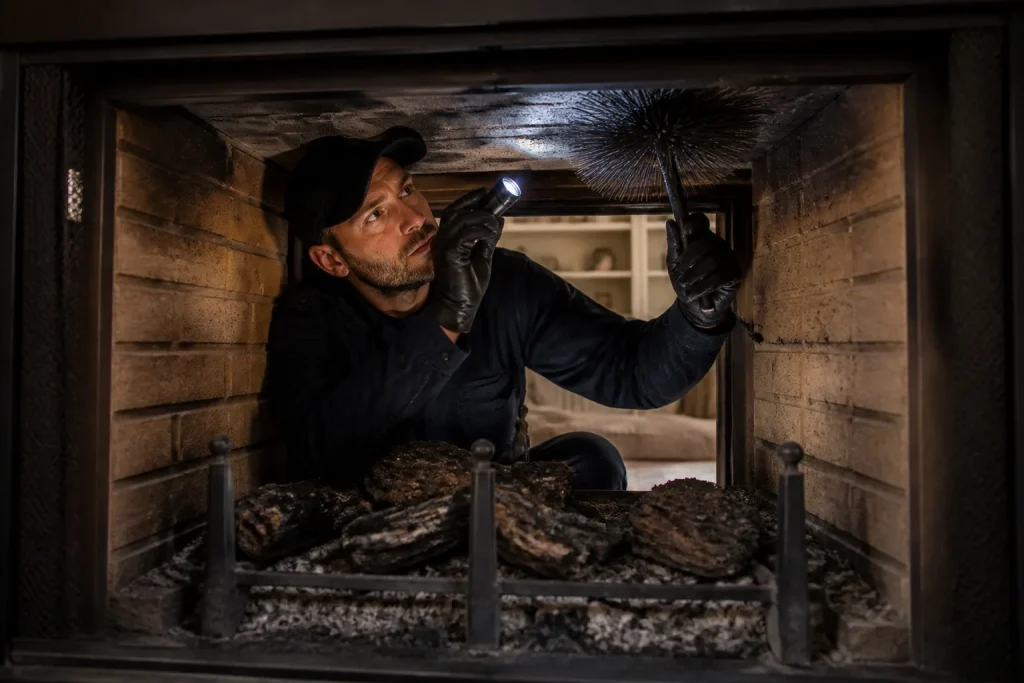
Visually inspect the fireplace opening for obvious obstructions. For a more thorough inspection, you’ll need to look up the flue. While many homeowners aren’t equipped for this, a professional chimney sweep has specialized tools like cameras to inspect the entire length of the flue for creosote buildup, nests, or other debris. Even minor creosote buildup can significantly impact draft efficiency.
5. Observe External Factors
When the fireplace is in use, pay attention to how wind affects the draft. If you notice smoke being pushed down the chimney during windy conditions, it might indicate an issue with chimney height or the need for a better chimney cap. Sometimes, a simple chimney cap designed to prevent downdrafts can solve this problem.
6. Test for House Pressurization
A simple test for negative house pressure involves turning on all exhaust fans in your home (kitchen, bathroom, dryer) simultaneously and then opening your fireplace damper. If you immediately notice smoke spilling out of the fireplace, it’s a clear indicator of excessive negative pressure overwhelming the chimney draft. This is where addressing the overall ventilation balance of your home becomes important. For comprehensive home air quality management, including exploring options like Air Duct Sealing to prevent uncontrolled air infiltration and exfiltration, professionals can provide valuable insights. Understanding the interplay between your HVAC system and your fireplace is key.
7. Consider Professional Inspection and Cleaning
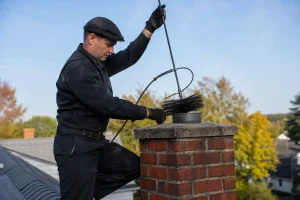
If you’ve tried the above steps and are still experiencing backdrafting, or if you are uncomfortable performing any of these checks, it’s time to call in the experts. A professional chimney sweep will perform a Level 1 inspection (the most common) as a minimum, which includes visual inspection of the accessible portions of the chimney, firebox, and damper. They can identify issues that are not visible to the untrained eye, such as hairline cracks in the flue liner or hidden blockages. Regular chimney cleaning is not just about preventing fires; it’s a crucial part of maintaining proper draft and ensuring the safe operation of your fireplace.
The Dangers of Untreated Backdrafting
Backdrafting is not merely an inconvenience; it poses significant health and safety risks. The primary concern is the release of carbon monoxide (CO) into your home. CO is a byproduct of incomplete combustion and is a silent, deadly gas. Symptoms of CO poisoning can range from mild headaches and dizziness to confusion, nausea, and even death. Because it is odorless and colorless, it is often undetectable without a CO detector, which should be a mandatory safety device in any home with a fuel-burning appliance.
Beyond carbon monoxide, backdrafting can also lead to:
- Soot and Particulate Matter: Fine soot particles can be dispersed into your living space, contributing to indoor air pollution, exacerbating respiratory conditions like asthma, and causing general soiling of your home’s interior. This particulate matter can also settle in your ductwork, affecting overall air quality. If you’re concerned about dust and soot circulating in your home, professional Crawl Space Air Duct Cleaning can be a part of a broader air quality improvement strategy.
- Fire Hazard: While less common, the spillage of embers or highly flammable creosote from a poorly drafting chimney can pose a direct fire risk to your home’s interior.
- Reduced Heating Efficiency: A fireplace that isn’t drafting properly can’t efficiently heat your home, leading to increased reliance on other, potentially more expensive, heating sources.
- Structural Damage: Persistent exposure to smoke and moisture within the chimney structure can accelerate deterioration, leading to masonry damage and costly repairs.
The statistics are stark: the U.S. Fire Administration reports that faulty chimneys and vents are a leading cause of residential fires. Furthermore, the Centers for Disease Control and Prevention (CDC) highlights carbon monoxide poisoning as a significant public health threat. Taking prompt action to address backdrafting issues is an investment in the safety and well-being of your family.
Preventative Measures and Long-Term Solutions
The best approach to chimney backdrafting is prevention. Regular maintenance and mindful usage can significantly reduce the likelihood of experiencing these issues. For residents in older homes, particularly those found in historic districts or charming neighborhoods throughout areas like Pittsburgh, understanding the specific needs of older chimney systems is crucial. They often require specialized care that takes into account their age and construction materials. We at Duct Duct Ccleaning LLC in Pittsburgh understand these nuances.
Here are key preventative measures:
- Annual Chimney Inspections and Cleaning: Schedule professional chimney inspections at least once a year, and more frequently if you use your fireplace or wood stove heavily. Professional cleaning removes creosote buildup, nests, and debris, ensuring a clear and efficient flue. This service is a cornerstone of safe fireplace operation, just as regular air duct cleaning is vital for your HVAC system’s efficiency. Consider professional Air Duct Sealing to complement overall indoor air quality improvements.
- Proper Firewood Usage: Burn only dry, seasoned hardwood. Wet or green wood produces more creosote and smoke. Avoid burning trash, plastics, or treated lumber, which can create hazardous fumes and damage your chimney.
- Ensure Adequate Ventilation: When using your fireplace, make sure there is sufficient makeup air. Opening a window slightly, as discussed, is a temporary solution. For long-term, efficient operation, consider a dedicated outside air intake system. Think about how the airflow dynamics extend beyond your chimney; for instance, ensuring proper ventilation for your clothes dryer is equally important. Regularly scheduled Duct Duct Ccleaning LLC in Dallas addresses dryer vent blockages, which are another common household hazard that impacts airflow and safety.
- Install a Quality Chimney Cap: A good chimney cap prevents rain, snow, animals, and debris from entering the flue. Many caps are also designed to help reduce downdrafts caused by wind.
- Maintain a Well-Sealed Home (with caution): While energy efficiency is a goal, be aware of the trade-offs. If your home is exceptionally airtight, you may need to incorporate a dedicated makeup air system for your fireplace. This is a more involved solution than simple duct sealing for restaurants or catering events, but it ensures your combustion appliances can breathe freely.
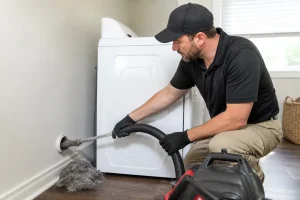
- Regular Dryer Vent Cleaning: While seemingly unrelated, a clogged dryer vent can create significant negative pressure in your home. The continuous exhaust of air from a dryer can contribute to makeup air deficiencies for other appliances. Professional dryer vent cleaning, like that offered by Duct Duct Ccleaning LLC, is essential for preventing fires and maintaining optimal airflow throughout your home. It’s an often-overlooked but critical component of home safety and efficiency, akin to ensuring proper airflow in spaces for events such as duct sealing for party catering setups where ventilation is paramount.
- Install and Maintain CO Detectors: This is a non-negotiable safety measure. Ensure you have working carbon monoxide detectors on every level of your home, especially near sleeping areas. Test them regularly.
Frequently Asked Questions About Chimney Backdrafting
Q1: Is chimney backdrafting dangerous even if I don’t see visible smoke?
A1: Yes, it can be very dangerous. The primary danger comes from the release of carbon monoxide (CO), an odorless and colorless gas. Even a small amount of backdrafting can introduce harmful levels of CO into your home, leading to serious health risks or even death, even if you don’t see or smell smoke.
Q2: My house is very old and drafty. Why would I have backdrafting issues?
A2: While drafty homes typically have more makeup air, specific configurations or issues can still cause backdrafting. This could include a chimney that is too short for its surroundings, a significant blockage within the flue, or a poorly designed damper. In some cases, the natural drafts within a very old home might be disrupted by recent renovations or the addition of powerful exhaust fans that create localized negative pressure zones.
Q3: How often should my chimney be inspected and cleaned?
A3: The Chimney Safety Institute of America (CSIA) recommends annual inspections for all chimneys, regardless of use. Professional cleaning is recommended based on the amount of use and the type of fuel burned, but at least annually is a good general rule. For heavy users, more frequent cleaning might be necessary to prevent dangerous creosote buildup.
Q4: Can closing my doors and windows in winter worsen backdrafting?
A4: Yes, absolutely. Closing doors and windows tightly to conserve heat makes a home more airtight. This reduces the amount of available makeup air for your fireplace, making backdrafting much more likely. If you have an older fireplace in a well-sealed home, you might need to consider dedicated ventilation solutions.
Q5: What is the difference between a draft and a backdraft?
A5: A draft is the natural upward flow of air and combustion gases through a chimney. This is a desirable and necessary process for safe fireplace operation. A backdraft occurs when this upward flow is reversed, and smoke and gases are pushed back into the home. This indicates a problem with the chimney’s ability to create or maintain a proper draft.
Q6: How can I tell if my damper is working correctly?
A6: Before lighting a fire, open the damper completely. You should