Cherry Hill Dryer Vent Fires: Preventing a Common Household Hazard
Cherry Hill Dryer Vent Fires: Preventing a Common Household Hazard
Imagine this: It’s a chilly Tuesday evening in Cherry Hill. You’ve just finished a load of laundry, the familiar hum of the dryer a comforting sound in your home. You go to fold your warm towels, maybe picturing yourself relaxing by the Cooper River or strolling through the shops at Cherry Hill Mall. Suddenly, a faint smell of smoke. At first, you dismiss it – perhaps it’s from a neighbor’s grill, or the scent of a burning candle. But the odor intensifies, acrid and alarming. Then, you hear it – a faint crackling sound emanating from the laundry room. Panic sets in as you realize the unthinkable: your dryer, the very appliance meant to bring comfort and warmth, is now a ticking time bomb. Flames are licking at the lint trap, climbing the vent hose, and threatening to engulf your home, your family, and your precious memories in Cherry Hill. This isn’t a scene from a disaster movie; it’s a stark, all-too-real possibility in any home equipped with a clothes dryer, and it’s often preventable with simple, proactive measures.
The U.S. Fire Administration (USFA) consistently highlights clothes dryers as a leading cause of household fires. In the United States, an average of 13,000 home dryer fires occur each year, resulting in significant property damage, injuries, and tragically, even fatalities. The primary culprit? Accumulated lint. When this highly flammable material builds up in the dryer’s vent system, it creates a perfect storm for ignition, especially when exposed to the high heat generated during a drying cycle. For residents of Cherry Hill, a community that values its homes and families, understanding this hazard and taking immediate action is not just advisable – it’s imperative. We spoke with a leading expert in home safety and HVAC maintenance to shed light on this critical issue.
Expert Insights: The Hidden Danger in Your Laundry Room
We sat down with Mr. David Chen, a seasoned professional with over 15 years of experience in air duct and dryer vent cleaning, to discuss the pervasive threat of dryer vent fires in our local Cherry Hill area. Mr. Chen, a staunch advocate for preventative home maintenance, emphasized the critical importance of regular inspections and cleanings.
“It’s astonishing how often people overlook their dryer vents,” Mr. Chen stated, his voice carrying a sense of urgency. “They see it as a passive component, something that just ‘does its job.’ But in reality, that vent hose is a highway for highly combustible lint. Think about the constant friction and heat. Every time you run a load of towels, your kids’ sports uniforms, or bedding, you’re pushing more of that fine, dry fluff into the system. Over time, it cakes up, becoming a tinderbox waiting for a spark. And the spark can come from various sources within the dryer itself – a faulty heating element, a malfunctioning thermostat, or even an electrical short. When that ignition source meets the concentrated lint, the fire spreads with terrifying speed, often into the wall cavities and attics.”
He continued, “We’ve seen dryer fires in historic homes in the Old City section of Cherry Hill, as well as in newer constructions near the bustling downtown area. The age of the home or the type of dryer doesn’t necessarily matter; it’s the maintenance, or lack thereof, that’s the deciding factor. Many homeowners think ‘out of sight, out of mind,’ but that’s precisely where the danger lurks. The vent might run through a wall, into the basement, or up to the roof – places where you wouldn’t normally inspect. The longer a vent goes without cleaning, the more dangerous it becomes.”
When asked about the most common misconceptions, Mr. Chen explained, “One of the biggest is thinking that just cleaning the lint trap after every use is enough. While it’s absolutely essential, it’s only a fraction of the problem. The lint trap catches only about 25% of the lint produced. The rest makes its way into the vent hose and ductwork. Another common mistake is using flexible plastic or foil vent hoses. These are far more prone to kinking, collapsing, and accumulating lint compared to rigid metal or semi-rigid metal ducts. They’re also more susceptible to damage and can even melt under extreme heat, posing their own fire risks.”
Mr. Chen also touched upon the local climate in Cherry Hill. “Our winters can get quite cold, leading people to run their dryers more frequently and at higher temperatures. This increases the heat exposure for the lint. Conversely, our humid summers can sometimes lead to moisture issues within the vents, which, while not a direct fire risk, can exacerbate lint buildup by causing it to clump and adhere to the duct walls. So, regardless of the season, vigilance is key.”
The Mechanics of a Dryer Vent Fire: What Happens and Why
Understanding the process of a dryer vent fire is crucial for appreciating its severity. During a typical drying cycle, the dryer heats air, which then passes through the drum, collecting moisture from your clothes. This moist air is then expelled through the vent system. However, as the air moves, tiny fibers of fabric – lint – are shed and carried along. A perfectly functioning dryer would have a clean vent system where this lint is easily expelled. But when lint begins to accumulate:
- The Buildup Begins: Lint adheres to the inner walls of the vent hose and ductwork. This is especially prevalent in flexible hoses that may have internal ridges or bends where lint can catch.
- Airflow Suffers: As lint accumulates, it restricts airflow. This causes the dryer to work harder and longer to dry clothes, increasing the time the heating element is active and generating more heat.
- Overheating: The restricted airflow prevents heat from escaping efficiently. The dryer’s internal temperature rises significantly.
- Ignition Source Meets Fuel: A faulty heating element, a loose wire, or even a spark from static electricity can provide the ignition source.
- Rapid Combustion: The accumulated lint acts as extremely flammable fuel. Once ignited, the fire can spread rapidly through the vent system, potentially reaching combustible materials within your home’s walls, attic, or basement.
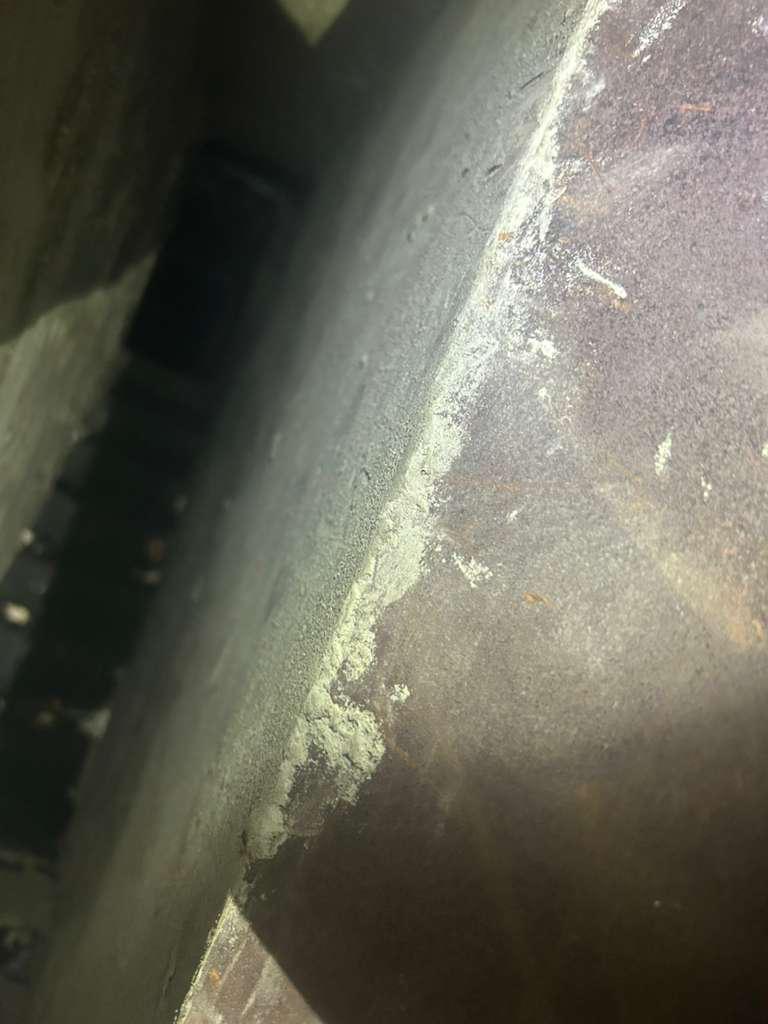
Mr. Chen elaborated on this, “Think of a charcoal briquette. It’s dry, it’s full of tiny pores, and it catches fire easily. Lint is similar, but infinitely finer and drier. When it’s packed densely into a confined space like a vent pipe, and subjected to constant heat and airflow, it’s a recipe for disaster. We often find vents so choked with lint that you could practically scoop it out in handfuls, resembling large, compact felt pads. It’s heartbreaking to see the damage these fires cause when a simple cleaning could have prevented it.” He also pointed out that sometimes, even a new dryer installed with an improperly sealed or routed vent can become a hazard quickly. Proper installation is as critical as ongoing maintenance.
Recognizing the Warning Signs: Don’t Wait for Disaster
The urgency in Mr. Chen’s tone was palpable as he stressed the importance of recognizing the early warning signs. “Homeowners need to be detectives about their own appliances,” he advised. “These aren’t always dramatic. Often, they’re subtle clues that something is amiss.” He outlined several key indicators that your dryer vent may be compromised and posing a fire risk:
- Longer Drying Times: If your clothes are taking significantly longer to dry than they used to, even for smaller loads, it’s a strong indicator of restricted airflow due to lint buildup.
- Clothes Are Hot to the Touch (But Not Dry): This is a classic sign that the dryer is overheating due to poor ventilation. The heat isn’t escaping properly, making the clothes excessively hot.
- A Burning Smell During or After Drying Cycles: This is perhaps the most alarming sign. It indicates that lint is overheating and starting to scorch. You might notice this smell inside the laundry room or even throughout your home.
- Excessive Heat Around the Dryer or Vent Area: If the exterior of the dryer or the wall where the vent exits feels unusually hot to the touch, it’s a critical warning.
- Visible Lint Around the Dryer Vent Hood (Outside): If you notice a significant amount of lint accumulating around the exterior vent cover, it means lint is not being effectively expelled.
- Mold or Mildew in the Laundry Room: In some cases, poor ventilation can trap moisture, leading to mold growth, especially if the vent line is compromised or has leaks. This is a precursor to potential duct issues, and we always recommend looking into services like “Duct Sealing for Mold Prevention” when these issues arise.
- The Dryer Itself Feels Hot to the Touch: Similar to the vent area, if the dryer unit feels unusually hot, it’s struggling due to a ventilation problem.
“These are not minor inconveniences,” Mr. Chen stressed. “They are red flags. Ignoring them is akin to ignoring a smoke detector chirp. The fire department often says that the most preventable fires are the ones that never start. In Cherry Hill, we have a community that prides itself on its safety and beautiful neighborhoods, from the tree-lined streets of Springdale to the vibrant community around Rastelli Market Square. Protecting these homes starts with acknowledging and addressing these common household hazards proactively. We’ve seen the devastation that even a small fire can wreak on a family and their property, and a dryer vent fire is unfortunately one of the quickest and most destructive.”
Prevention is Key: Your Action Plan for a Safer Cherry Hill Home
The good news is that dryer vent fires are highly preventable. Mr. Chen provided a clear, actionable plan for Cherry Hill residents to safeguard their homes:
1. Regular Professional Cleaning: The Cornerstone of Safety
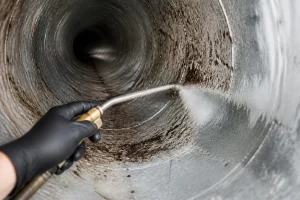
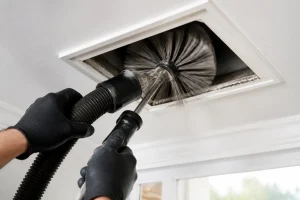
“This is non-negotiable,” Mr. Chen stated firmly. “While homeowners can do some basic maintenance, a thorough cleaning of the entire vent system by a professional is paramount. We have specialized tools that can reach deep into the ductwork, dislodging and removing lint that a homeowner simply cannot access. For a typical Cherry Hill home, we recommend professional cleaning at least once a year. However, if you have a large family, a high-volume laundry household, or pets that shed a lot, you might need more frequent cleanings, perhaps every six months. It’s an investment in peace of mind and, more importantly, in the safety of your loved ones and your property.”
2. The Annual Dryer Vent Inspection
Beyond cleaning, a professional inspection can identify potential issues with the vent system itself:
- Damage to the Vent Hose: Cracks, tears, kinks, or collapsed sections.
- Improper Venting: Ensuring the vent is properly sealed and routed, with no leaks.
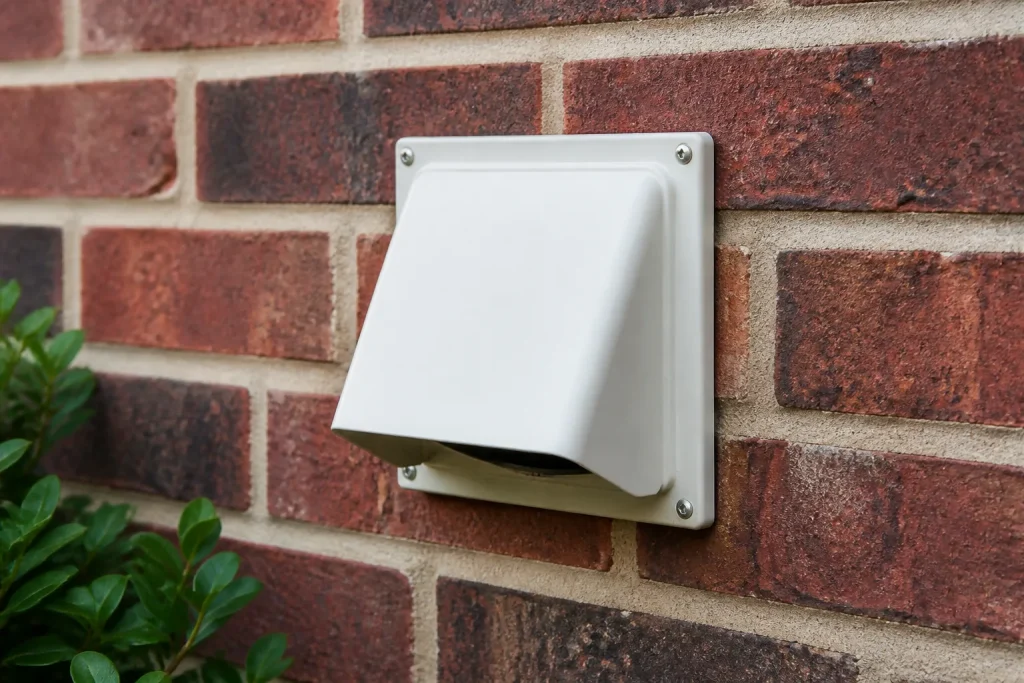
- Exterior Vent Hood Issues: Checking for blockages, damage, or missing screens.
- Correct Material: Advising on the use of appropriate vent materials (rigid metal is best).
“We often find vent hoses that are cracked, crushed, or improperly connected,” Mr. Chen explained. “These can lead to fires just as easily as lint buildup. An inspection helps catch these potential problems before they escalate.”
3. User Maintenance: What You Can Do
While professional cleaning is crucial, diligent homeowners can play a vital role:
- Clean the Lint Trap After Every Use: This is fundamental. Don’t neglect it, even for a single load.
- Check the Lint Trap Area: Periodically, examine the area around and behind the lint trap for accumulated lint that may have bypassed the trap.
- Ensure Proper Venting Length and Bends: The dryer manufacturer usually provides guidelines on the maximum length and number of bends your vent hose should have. Excessively long or sharply angled vents restrict airflow.
- Regularly Inspect Exterior Vent Cover: Ensure it’s not blocked by snow, ice, debris, or nesting animals, especially in areas around neighborhoods like Woodstream or along the Route 70 corridor.
4. Consider Vent Upgrades
As mentioned, flexible plastic or foil vents are a significant fire hazard. “If your home still has one of these, it’s time for an upgrade,” advised Mr. Chen. “Switching to a rigid or semi-rigid metal vent system significantly reduces the risk of kinks, collapses, and lint accumulation. It’s a small change that makes a big difference in safety. We often find that older homes might still have these outdated and dangerous materials, and upgrading is a simple yet impactful safety measure. Proper ductwork is foundational to home safety, much like ensuring your air ducts are sealed correctly can prevent issues like “Duct Sealing for Mold Prevention” or contribute positively to your property’s value through “Duct Sealing for Reputation Management”.”
5. Appliance Maintenance
“Ensure your dryer is functioning correctly,” Mr. Chen added. “If you notice any electrical issues, strange noises, or problems with the heating element, have it inspected and repaired by a qualified technician immediately. A malfunctioning dryer can be an ignition source in an otherwise clean vent system.” He also noted that this level of diligence extends to other home systems. “For instance, ensuring your chimney is clean and free of debris, much like the work done by our counterparts at Duct Duct Ccleaning LLC in Detroit, is crucial for fire prevention.”
Frequently Asked Questions About Dryer Vent Fires
We asked Mr. Chen to address some common concerns that Cherry Hill residents might have:
Q1: How often should my dryer vent be professionally cleaned?
A: For most households, an annual professional cleaning is sufficient. However, if you have a high-volume laundry usage, shed pets, or notice longer drying times, consider cleaning every six months.
Q2: Can a new dryer still cause a fire?
A: Absolutely. Even a new dryer can pose a fire risk if the vent system is improperly installed, has a faulty design, or hasn’t been cleaned before use. The installation process and the initial state of the vent are critical.
Q3: My dryer vent is very short. Do I still need to clean it?
A: Yes. Even short vents accumulate lint, especially around the bends and where the hose connects to the dryer and the wall. Restricted airflow is still a concern, and lint buildup is inevitable.
Q4: What are the signs that my dryer vent is clogged?
A: The most common signs are longer drying times, clothes feeling excessively hot but not dry, and a burning smell emanating from the laundry area. Check our earlier section for a more comprehensive list of warning signs.
Q5: Are there specific types of dryer vents that are safer?
A: Yes, rigid or semi-rigid metal venting is generally considered the safest. Flexible plastic or foil vents are more prone to kinks, punctures, and lint buildup, increasing fire risk. We always recommend sticking with metal.
Q6: Is cleaning my basement air ducts related to dryer vent safety?
A: While distinct services, both focus on airflow and preventing hazards within your home’s infrastructure. Ensuring your “Basement Air Duct Cleaning” is up-to-date, just like your dryer vent, contributes to overall air quality and system efficiency, indirectly supporting a healthier home environment. Issues in one area can sometimes be indicative of broader maintenance needs, similar to the preventative work done by Duct Duct Ccleaning LLC in Pittsburgh for chimney systems.
Q7: What happens if my dryer vent catches fire?
A: A dryer vent fire can spread rapidly. If you suspect a fire, your immediate action should be to evacuate all occupants, call 911, and if it’s safe to do so, try to disconnect the power to the dryer at the circuit breaker. Do NOT try to extinguish a dryer fire yourself unless it is very small and contained, as the lint can fuel a rapid and dangerous blaze.
Act Now for a Safer Cherry Hill Home
The allure of Cherry Hill – its vibrant community, its convenient location, its beautiful parks and family-friendly atmosphere – deserves to be enjoyed without the looming threat of a preventable household disaster. Dryer vent fires are a serious hazard, but they are also one of the most easily avoided. The time to act is now, not when the smoke alarm blares, but today, while your home is safe and sound.
Don’t let a clogged dryer vent put your Cherry Hill home and your family at risk. Proactive maintenance is the most effective defense. Schedule your professional dryer vent cleaning and inspection today. At Duct Duct Ccleaning LLC, we are dedicated to serving the Cherry Hill community with expert air duct cleaning, chimney services, and crucially, dryer vent cleaning. Our experienced technicians are equipped to thoroughly clean your entire vent system, ensuring optimal airflow and significantly reducing your risk of a dryer fire. We understand the importance of maintaining a safe and healthy living environment for you and your loved ones.
Protect your home, your family, and your peace of mind. Call Duct Duct Ccleaning LLC today at 8565880352 to schedule your dryer vent cleaning service. Don’t wait for a warning sign; be proactive and ensure your Cherry Hill home remains a safe haven.