Addressing Water Penetration: The Critical Role of Chimney Flashing Repair in New York City Brownstones
The distinctive charm of New York City’s brownstones, many dating back to the mid-19th century, is undeniably iconic. These architectural gems, with their deep brown sandstone or terracotta facades, embody a significant piece of the city’s history, from Brooklyn Heights to the Upper West Side. However, their age and construction methods also present unique preservation challenges, none more critical than protecting against water penetration. At the heart of this defense lies the chimney, and specifically, its flashing. Originally, these homes often relied on basic mortar work or less durable metal flashing, which, over decades of harsh Nor’easters and freeze-thaw cycles, has become a primary vulnerability.
Mistake #1: Underestimating the Brownstone’s Vulnerability to Water
Many brownstone owners, captivated by their property’s aesthetic, often overlook the silent war waged by water against their historic structures. The design of these buildings, with their prominent chimneys, makes them particularly susceptible to flashing failures. Brownstones, by virtue of their age and masonry construction, are like sponges without proper protection. A compromised chimney flashing doesn’t just invite a leak; it begins a destructive process that can erode mortar, degrade interior plaster, and even compromise structural integrity.
The Flashing Fundamentals: Your Home’s First Line of Defense
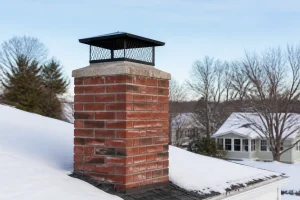
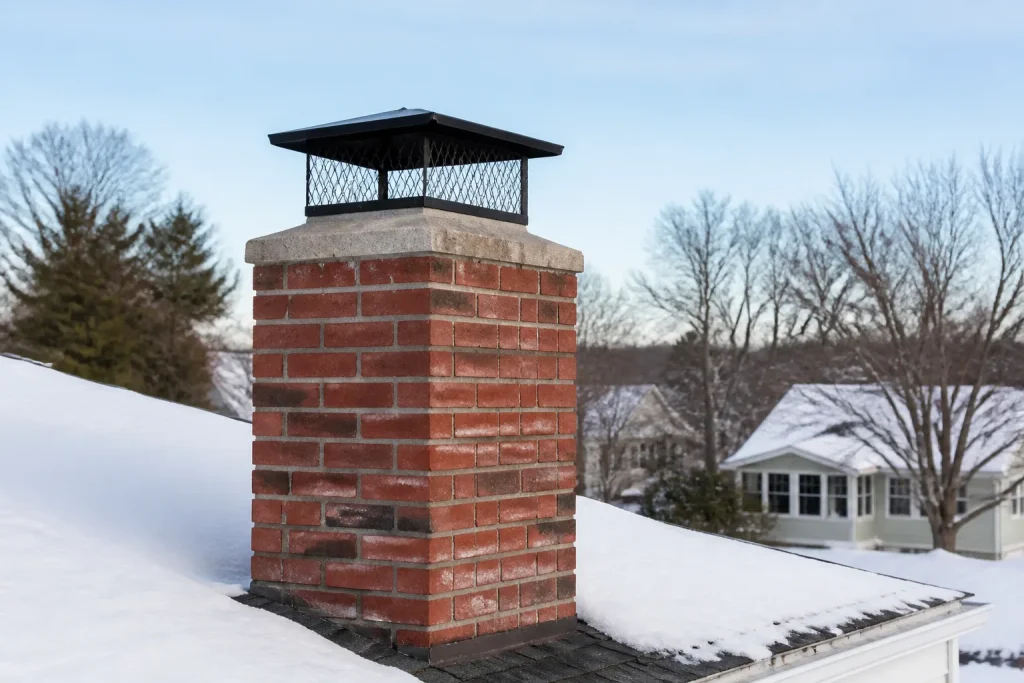
Chimney flashing refers to the sheet metal (typically copper, steel, or aluminum) installed where the chimney meets the roof. Its purpose is to create a watertight seal, directing water away from the vulnerable intersection. When this crucial component fails, even a small gap can allow hundreds of gallons of water into your home over time. Industry data suggests that over 70% of chimney leaks are directly attributable to faulty or degraded flashing, underscoring its pivotal role in brownstone preservation.
Mistake #2: Overlooking Subtle Signs of Water Penetration
The insidious nature of water damage means it often goes unnoticed until significant harm has occurred. Homeowners in historic neighborhoods like Greenwich Village or Park Slope must cultivate a keen eye for the early warning signs, as these often present subtly.
Cracks, Stains, and Deterioration: Decoding the Warnings
- Water Stains: Yellow, brown, or black stains on ceilings or walls near the chimney or fireplace are undeniable indicators. Don’t dismiss them as old house quirks; they signify an active leak.
- Dampness or Musty Odors: A persistent damp smell, especially after rain, points to moisture intrusion, potentially from compromised flashing.
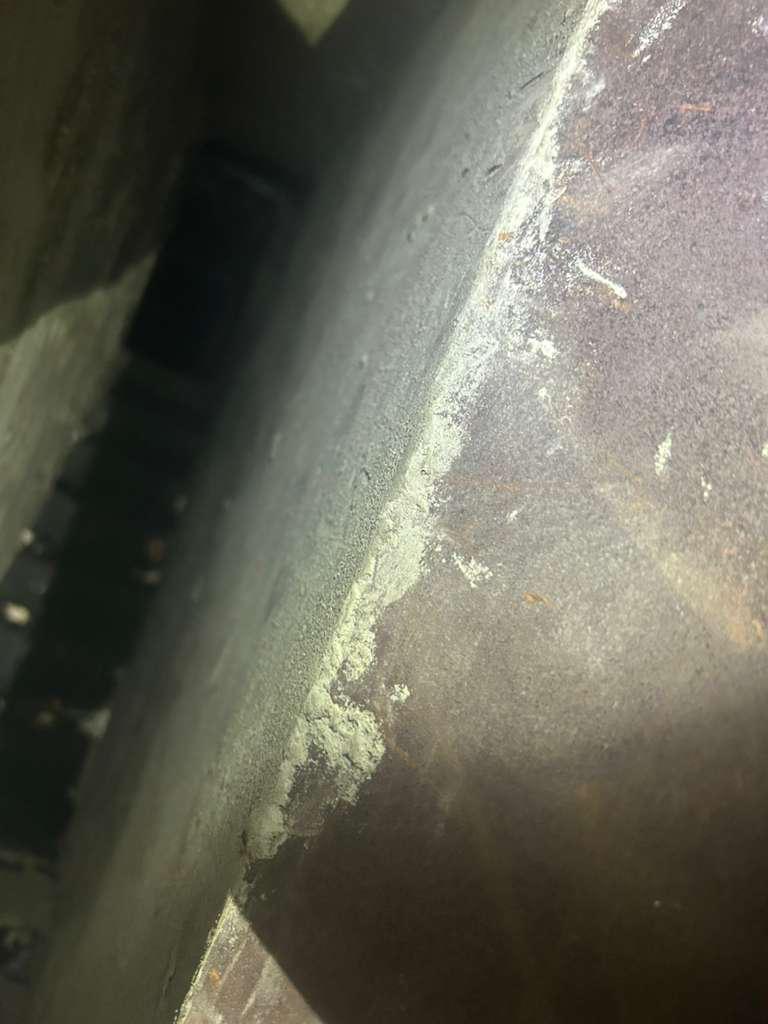
- Masonry Degradation: Spalling (flaking or crumbling bricks), efflorescence (white, powdery residue), or deteriorating mortar joints around the chimney on the exterior are strong signs that water is getting in and wreaking havoc.
- Rusted Damper or Firebox: Metal components within your fireplace showing rust can mean water is making its way down the flue, often originating from flashing issues or a cracked chimney crown.
Ignoring these indicators is an expensive mistake. Small repairs today prevent catastrophic overhauls tomorrow. If you’re experiencing any of these issues, don’t delay; contact a specialist. For expert insight on comprehensive chimney care, you can reach out to our team at Duct Duct Ccleaning LLC directly at (609) 507-0043.
Mistake #3: Delaying Professional Flashing Repair
The time-sensitive nature of water penetration cannot be overstated. Procrastination in addressing failing chimney flashing can lead to an exponential increase in damage and repair costs. What starts as a simple flashing repair can quickly escalate into extensive masonry reconstruction, interior remediation, and even mold abatement.
The Escalating Damage: From Leak to Landmark Threat
Water infiltration can compromise the chimney liner, the flue, and the entire masonry structure. In a brownstone, this can lead to weakened walls, damaged wood framing, and severe indoor air quality issues from mold growth. The structural integrity of these cherished buildings in vibrant communities like Carroll Gardens or Fort Greene is paramount, and a timely intervention can save owners tens of thousands of dollars in future repairs. While our core service area includes Cherry Hill, NJ, our expertise in Duct Duct Ccleaning LLC in New York, as well as Duct Duct Ccleaning LLC in Houston and Duct Duct Ccleaning LLC in Dallas, gives us a broad perspective on protecting various architectural styles from such critical damage.
Mistake #4: Attempting DIY Flashing Solutions
The allure of a quick fix or cost savings often tempts homeowners into attempting DIY chimney repairs, especially with something seemingly straightforward like flashing. However, this is perhaps the gravest mistake, particularly for complex brownstone structures.
Why Professional Expertise Matters for Brownstones
Chimney flashing installation requires precision, specialized tools, and a deep understanding of roof pitches, masonry types, and local building codes. Improperly installed flashing can worsen the problem, creating new pathways for water, or even becoming a hazard. For instance, correctly integrating base flashing, counter flashing, and cricket flashing is a nuanced process. At Duct Duct Ccleaning LLC, we understand these complexities. Our commitment to maintaining not just your chimney but also the health of your home extends to services like “Duct Sealing for Landscaping Companies” and “Duct Sealing for Woodworking Shops”, ensuring every system functions optimally. The wrong repair can invalidate warranties, lead to more severe damage, and necessitate even costlier professional remediation.
The Imperative for Timely Action
Protecting a New York City brownstone isn’t just about preserving property value; it’s about safeguarding a piece of history and ensuring a healthy living environment. The unique challenges posed by their age, intricate construction, and susceptibility to harsh urban weather demand proactive and expert attention to chimney flashing. Don’t wait for a drip to turn into a deluge.
Protecting Your Investment and Legacy
Regular chimney inspections, especially for brownstone owners, are not an option but a necessity. Expert technicians can identify flashing issues long before they become visible indoors, recommending targeted repairs that save money and stress in the long run. Act decisively to maintain the integrity and historical value of your cherished brownstone.
FAQs About Chimney Flashing Repair
Q1: How long does chimney flashing typically last?
A1: The lifespan of chimney flashing varies depending on the material. Copper flashing can last 50+ years, while galvanized steel or aluminum might need replacement every 20-30 years, especially in harsh climates like NYC’s.
Q2: What are the common signs of faulty chimney flashing?
A2: Look for water stains on ceilings or walls near the chimney, musty odors, rust in the fireplace or damper, and visible gaps or deterioration of the metal where the chimney meets the roof.
Q3: Can I repair chimney flashing myself?
A3: While minor sealants might seem like a quick fix, proper chimney flashing repair requires specialized skills, tools, and an understanding of roofing and masonry. DIY attempts often worsen the problem and void warranties, making professional service highly recommended.
Q4: How much does chimney flashing repair cost in a city like New York?
A4: Costs can vary widely based on the extent of damage, the material used, the complexity of the roof, and local labor rates. Simple re-sealing might be a few hundred dollars, while full replacement with masonry repair can range from $1,000 to several thousands. It’s always best to get a professional estimate.
Q5: How often should my chimney and flashing be inspected?
A5: The Chimney Safety Institute of America (CSIA) recommends annual chimney inspections. This includes checking the flashing, crown, liner, and overall masonry for any signs of wear or damage before they escalate.
Q6: Does chimney flashing affect overall home insulation?
A6: Indirectly, yes. While not directly an insulation component, proper flashing prevents water from entering the attic or wall cavities. Moisture in these areas can compromise insulation, leading to reduced energy efficiency and higher heating/cooling costs.
The time to act is now. Don’t let water erosion silently undermine the heritage and value of your brownstone. Whether you own a historic property in Cherry Hill, NJ, or simply seek unparalleled expertise in chimney maintenance, Duct Duct Ccleaning LLC is your trusted partner. Our team provides comprehensive chimney services, ensuring your home’s most vital ventilation and heating systems are secure and efficient. Protect your investment, preserve your peace of mind, and safeguard your property’s future.
Call Duct Duct Ccleaning LLC today at (609) 507-0043 to schedule your professional chimney inspection and flashing repair. Don’t let a small leak become a monumental problem.