How to Spot the Early Warning Signs of a Chimney Fire: A Homeowner’s Safety Guide
Did you know that chimney fires are responsible for a significant number of residential structure fires each year? Many homeowners in Cherry Hill, NJ, enjoy the warmth and ambiance of a fireplace, especially during our crisp fall and cold winter months. But beneath the cozy glow, a hidden danger often lurks: the early stages of a chimney fire. Most chimney fires don’t begin as a raging inferno, but rather as a quiet, insidious buildup that can quickly escalate. At Duct Duct Ccleaning LLC, we understand the critical difference between a harmless flicker and a potential disaster. This guide will help you compare the subtle, early warning signs with the unmistakable, full-blown emergency, emphasizing the urgent action required at each stage.
The Creeping Buildup vs. The Raging Inferno
The vast majority of chimney fires are caused by a flammable substance called creosote, a byproduct of burning wood that accumulates in your chimney flue. What you might initially observe are signs of this buildup, not flames themselves. This is the critical “creeping buildup” stage. Compare this to the “raging inferno” where flames are visibly erupting from your chimney top or roaring within the flue. According to the Chimney Safety Institute of America (CSIA), over 25,000 chimney fires occur annually in the U.S., many of which could have been prevented by addressing early warning signs.
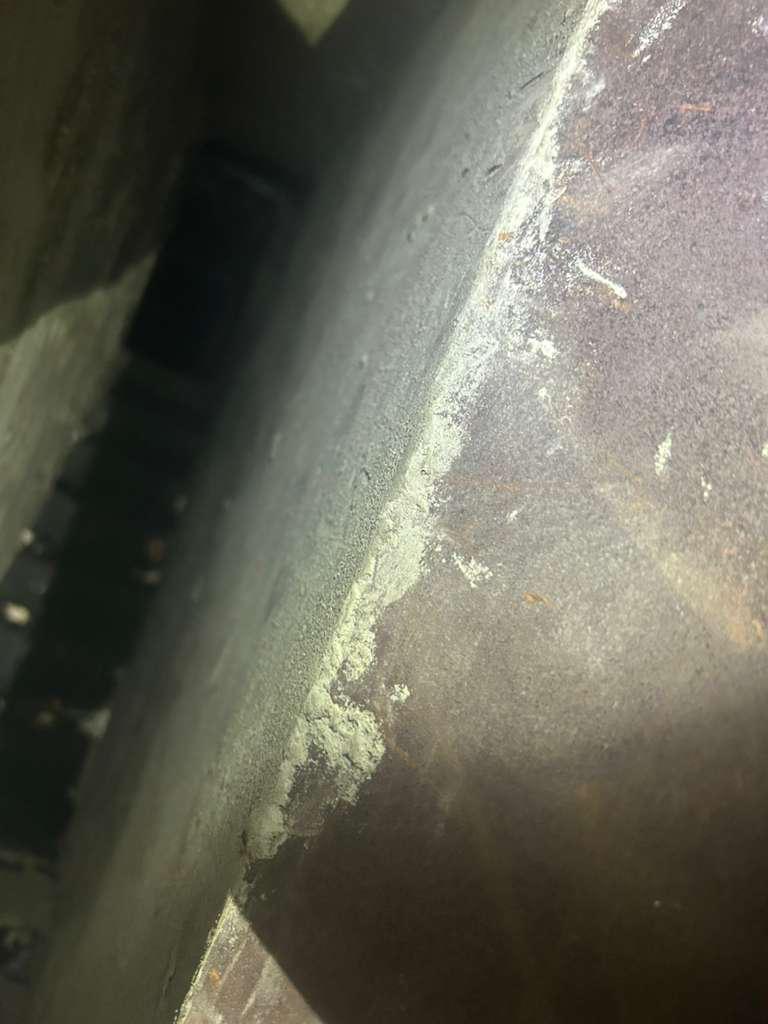
- Early Warning: You notice a strong, smoky odor permeating your home even when no fire is lit, or a tar-like smell from your fireplace. This indicates significant creosote accumulation, particularly if your flue hasn’t been cleaned in over a year. You might also see dark, flaky deposits when peering up the flue with a flashlight.
- Full-Blown Emergency: You observe dense, black smoke pouring from your chimney top, sometimes accompanied by bright orange or yellow flames. A distinct, intense burning smell, far more pungent than regular wood smoke, will fill the air. At this stage, your home and family are in immediate danger, requiring emergency services.
Auditory Clues: What You *Don’t* Hear vs. What You *Do* Hear
Your chimney can communicate distress through sound long before you see a visual cue. Learning to differentiate normal fireplace sounds from alarming ones is paramount for homeowners across Cherry Hill. A healthy fire crackles gently, with minimal noise from the flue itself. Anything beyond this is a red flag, demanding your immediate attention and often professional intervention.
- Early Warning: You start to hear faint popping or clicking sounds emanating from the chimney during a fire, more pronounced than the normal crackle of wood. Sometimes, a subtle, low-pitched rumble might be detectable. These sounds are often indicative of small creosote deposits igniting and then extinguishing within the flue, a precursor to a larger, uncontrolled fire.
- Full-Blown Emergency: The sounds become impossible to ignore. A loud, sustained roaring, similar to a freight train or jet engine, will echo from your chimney. This roaring indicates a massive amount of creosote is burning intensely. You might also hear loud cracking, popping, or whistling noises as flames consume the deposits and superheat the chimney structure. This is the moment to act, ensuring everyone is safe and emergency services are called. Do not delay. For prompt assistance and expert evaluation of your chimney’s safety, don’t hesitate to call Duct Duct Ccleaning LLC at (609) 507-0043.
Visual Indicators: Subtle Changes vs. Unmistakable Disaster
Often, the most accessible way to detect a problem is through visual inspection. What begins as minor discoloration can quickly escalate to dramatic changes in your chimney and surrounding environment. Maintaining a keen eye for these subtle shifts can prevent tragic outcomes for families in our Cherry Hill neighborhoods, like Barclay or Kingston.
- Early Warning: You might notice slight discoloration or flaking of creosote around the visible parts of your damper or firebox. Perhaps fine ash or debris is falling into the fireplace at an unusual rate. If you have an outdoor inspection cap, you might observe a fine, black powder around it. Inside, look for small, hairline cracks in the flue liner or smoke chamber. These are clear signs of escalating creosote accumulation and potential stress on your chimney system. Consider the overall efficiency and safety of all your home’s systems; understanding various aspects like duct sealing for political consulting or duct sealing for warehousing might seem unrelated, but they highlight the diverse importance of specialized maintenance across different environments, including your own home.
- Full-Blown Emergency: The visual cues are stark. Flames might be visible from the top of your chimney. Sparks and burning debris could be spewing out. Smoke, thick and acrid, will billow from the flue. Inside your home, smoke and soot may be pushing back into the living space, or heat might be radiating through the chimney walls, potentially igniting nearby combustibles. The brick or masonry outside might feel excessively hot, or you might even see cracks forming rapidly due to the intense heat. Just as families trust Duct Duct Ccleaning LLC in Cleveland or Duct Duct Cleaning LLC in Cherry Hill, NJ for critical chimney services, residents in Cherry Hill should prioritize timely inspections and cleanings.
Proactive Protection vs. Reactive Emergency Measures
The ultimate comparison isn’t just between the signs themselves, but between foresight and hindsight. Preventing a chimney fire through diligent maintenance is always superior to reacting to an active emergency. For homeowners throughout South Jersey, this distinction is crucial to safeguarding your property and loved ones.
- Proactive Protection: Schedule annual professional chimney inspections and cleanings, especially if you use your fireplace frequently. This is where Duct Duct Ccleaning LLC in Houston and other cities, including Cherry Hill, provide essential services. Our certified technicians at Duct Duct Ccleaning LLC will remove dangerous creosote buildup, inspect for structural damage, and ensure your chimney operates safely. Burn only dry, seasoned wood. Consider installing a chimney cap to keep out debris and animals. Education about the subtle warnings helps you remain vigilant.
- Reactive Emergency Measures: If you suspect or confirm a chimney fire, immediately call 911. Evacuate everyone from the house. If possible and safe to do so, close the damper and close the glass doors on your fireplace to cut off oxygen to the fire. Do NOT throw water on the fire, as this can cause a dangerous steam explosion. Wait for emergency services to arrive and assess the situation. Recognizing the urgency of home safety extends beyond chimneys; understanding optimal indoor environments, like those discussed in duct sealing for virtual reality (VR) applications, underscores the value of maintaining every system.
FAQ: Your Chimney Fire Safety Questions Answered
Having served the Cherry Hill community for years, we often hear similar questions regarding chimney safety. Here are some of the most pressing:
Q1: How often should I have my chimney inspected and cleaned?
A: The National Fire Protection Association (NFPA) recommends annual inspections of all chimneys, fireplaces, and vents. If you use your fireplace frequently, or if you burn wood that produces more creosote, an annual cleaning is also strongly advised.
Q2: Can I clean my chimney myself?
A: While basic DIY sweeping brushes are available, professional cleaning is highly recommended. Certified chimney sweeps have specialized tools, expertise, and training to thoroughly remove creosote, identify hidden damage, and ensure the entire system is up to code and safe.
Q3: What type of wood is best to burn to prevent creosote?
A: Always burn dry, seasoned hardwood. Wood that has been split, stacked, and dried for at least 6-12 months burns hotter and produces less creosote than unseasoned or softwoods. Never burn trash, cardboard, or treated wood.
Q4: My chimney has a strange smell. Is that a sign of trouble?
A: Yes, unusual smells can indicate issues. A smoky or tar-like smell suggests creosote buildup. A pungent, acrid smell often signals an active or recently active chimney fire. Other odors could point to animal nesting or moisture problems.
Q5: What are the risks if I ignore early warning signs?
A: Ignoring early signs significantly increases your risk of a full-blown chimney fire, which can quickly spread to your home’s structure. It can also lead to carbon monoxide poisoning, severe structural damage to your chimney, or even a complete loss of your home and potentially lives.