Cincinnati Chimney Repair: When to Call a Professional for Cracks and Damage
From the earliest hearths in caves to the majestic masonry towers gracing historic Cincinnati homes in areas like Over-the-Rhine, chimneys have stood as symbols of comfort, warmth, and essential ventilation. Their evolution from simple smoke vents to complex systems integral to modern heating reflects centuries of innovation. Yet, despite their enduring presence and sturdy construction, chimneys are constantly exposed to the elements, making them susceptible to wear and tear. Especially in regions like the Ohio River Valley, with its distinct freeze-thaw cycles and seasonal storms, understanding when your chimney needs professional attention is not just about maintenance—it’s about safety and structural integrity.
The Timeless Guardian: Understanding Chimney Degradation
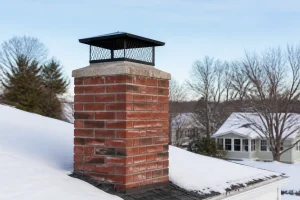
A chimney is much more than a stack of bricks. It’s a complex system comprising a foundation, a flue, a crown, a cap, and various masonry components, all working in harmony to safely vent combustion byproducts from your home. Over time, these elements can degrade. Masonry, in particular, faces a relentless assault from wind, rain, snow, and fluctuating temperatures. This environmental stress, combined with the internal thermal cycling from heating and cooling, can lead to cracks, spalling (where the brick surface flakes off), and mortar erosion.
Climate Challenges in the Ohio Valley
Cincinnati’s climate, characterized by significant temperature swings and ample precipitation, presents unique challenges for chimney health. The repeated freezing and thawing of absorbed moisture within the masonry is a primary culprit for deterioration. This process, known as the freeze-thaw cycle, expands and contracts water, gradually breaking down the porous materials. Without prompt professional chimney cleaning in Pittsburgh or any other location experiencing similar weather, minor issues can quickly escalate into major structural problems, compromising both the chimney’s function and the safety of your home.
DIY vs. Professional: A Crucial Distinction
What You Can Assess (and Safely Do) Yourself
For diligent homeowners, there are certainly aspects of chimney maintenance that can be part of a routine home inspection. You can visually inspect the exterior for obvious signs of damage from the ground level or with binoculars. Look for missing mortar, crumbling bricks, or a tilted chimney cap. Clearing minor debris from the chimney cap or inspecting for animal nests can also be done with appropriate safety precautions. Similarly, routinely checking for drafts or unusual smells near your fireplace can signal potential issues. For comprehensive chimney care, consider exploring resources on our site, such as insights into how professional methods can address concerns like construction debris removal within your home’s larger air systems, showcasing a holistic approach to home health.
The Limitations of DIY Chimney Repair
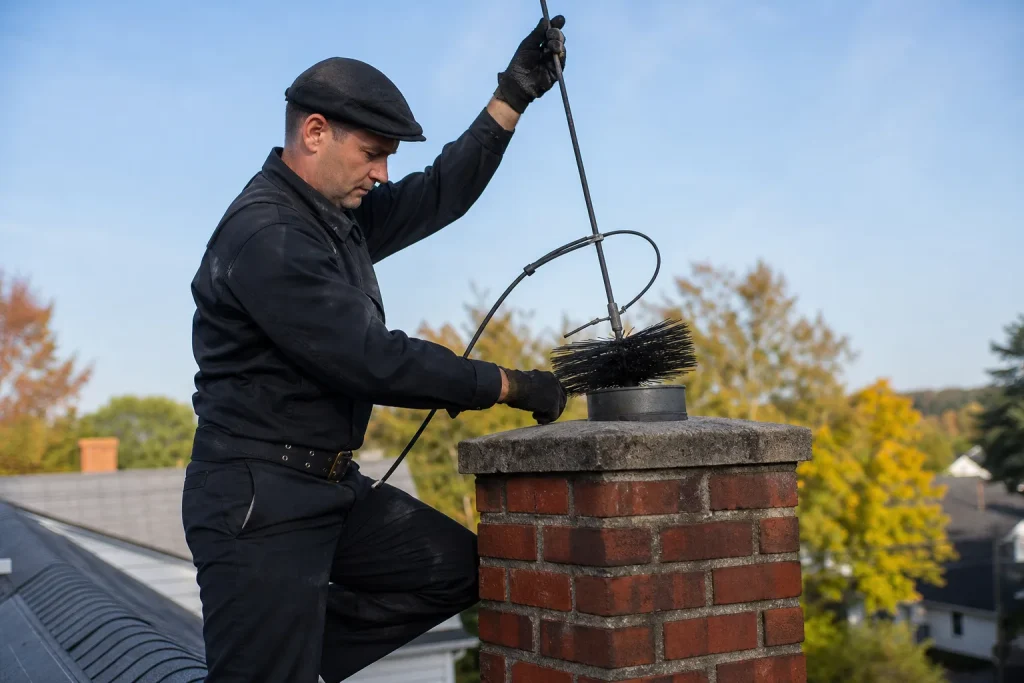
While basic observation is encouraged, attempting complex chimney repairs without specialized training and equipment is highly risky and often ineffective. Most significant damage occurs where it’s hard to see or reach—inside the flue, at the flashing, or within the hidden internal structure. A DIY approach to structural cracks, mortar repair, or flue liner issues can lead to substandard repairs that actually worsen the problem, create fire hazards, or compromise the entire chimney structure. What might seem like a small crack to the untrained eye could be indicative of a much larger, systemic issue that demands an expert diagnosis. The safety risks of working at heights, coupled with the specialized knowledge required for proper masonry work and understanding fire codes, make professional intervention indispensable.
When to Call the Experts: Signs Your Chimney Needs Professional Attention
Knowing when to put down the DIY tools and pick up the phone is paramount for chimney safety. Here are critical signs that your Cincinnati chimney requires immediate professional assessment:
- Visible Cracks: Any crack that is wider than a hairline, or one that runs vertically or diagonally through the masonry, especially if it extends across multiple bricks, is a major red flag. This indicates structural compromise that could lead to collapse or allow hazardous gases to leak into your home.
- Spalling Bricks: If bricks are flaking, peeling, or disintegrating, they are losing their structural integrity, usually due to moisture penetration and freeze-thaw cycles. This compromises the entire stack.
- Deteriorated Mortar Joints: Mortar is the “glue” holding your chimney together. If it’s crumbling, missing, or appears sandy, repointing (replacing the mortar) is necessary to prevent further deterioration and structural failure.
- Leaning or Tilting Chimney: This is a severe structural issue that indicates foundation problems or extensive internal damage. A leaning chimney is an imminent safety hazard and requires urgent professional evaluation.
- Damaged Flue Liner: The flue liner (clay tiles, metal, or cast-in-place) is your chimney’s primary defense against heat transfer