Ensuring Code Compliance for Industrial-to-Residential Chimney Conversions in Pittsburgh, PA
Pittsburgh, PA – the Steel City. A place where industrial heritage blends seamlessly with modern innovation. In neighborhoods like the Strip District, Lawrenceville, and Bloomfield, old industrial behemoths are increasingly being reimagined as vibrant residential spaces. This transformation, while exciting, brings a unique set of challenges, particularly concerning existing industrial chimneys. Originally designed for massive boilers or factory exhausts, these imposing structures must be carefully assessed and converted to meet the stringent safety and efficiency standards of modern residential living.
The history of these conversions mirrors Pittsburgh’s resilience. As industries shifted, many grand, brick structures found new life, driven by a desire for unique architectural spaces and urban revitalization. However, this often means adapting infrastructure not built for domestic use. When it comes to chimneys, simply capping an industrial flue or connecting a modern appliance without proper modification is a recipe for disaster, risking carbon monoxide poisoning, fires, and structural failure. Navigating this requires a meticulous, code-compliant approach. Duct Duct Ccleaning LLC, while based in Cherry Hill, NJ, understands these intricate processes through our extensive chimney services, assisting clients across the Northeast in specialized projects like these, from Duct Duct Ccleaning LLC in Pittsburgh to Duct Duct Ccleaning LLC in Philadelphia and Duct Duct Ccleaning LLC in Detroit.
Navigating Pittsburgh’s Regulatory Landscape: Your Conversion Checklist
Embarking on an industrial-to-residential chimney conversion in a city like Pittsburgh demands a thorough, step-by-step approach. Here’s a detailed checklist to ensure safety, efficiency, and full compliance with local and national building codes.
1. Comprehensive Building Code Interpretation
- Understand Local Ordinances: Pittsburgh’s Department of Permits, Licenses, and Inspections (PLI) enforces local amendments to the International Building Code (IBC) and International Residential Code (IRC). Industrial structures typically fall under IBC, but a residential conversion shifts them to IRC for specific dwelling units. This dictates everything from flue sizing to fire clearances.
- Historical Structure Designations: If the building holds historic status, additional regulations may apply, impacting exterior modifications or requiring specialized materials. Consult the Pittsburgh Historic Review Commission.
- Expert Insight: Engage a professional chimney service provider like Duct Duct Ccleaning LLC early on. We are well-versed in NFPA 211 (Standard for Chimneys, Fireplaces, Vents, and Solid Fuel-Burning Appliances) guidelines, which are critical for safe installations.
2. Structural Integrity Assessment and Engineering
- Professional Engineering Review: Industrial chimneys were built for immense loads and thermal stresses. A licensed structural engineer specializing in masonry must assess the chimney’s entire structure, from foundation to crown. This includes evaluating brick integrity, mortar condition, and overall stability, especially given Pittsburgh’s freeze-thaw cycles.
- Load Bearing Capacity: Ensure the chimney can safely support any new additions (e.g., scaffolding for repair, new caps, liners) and withstand local wind loads and potential seismic activity in Pennsylvania. A deteriorated chimney could collapse, posing a significant threat.
- Foundation Check: Industrial chimneys often have substantial foundations. Verify their condition and ability to continue supporting the structure.
3. Thorough Flue Liner Assessment and Installation
- Industrial vs. Residential Requirements: An industrial flue might be massive, unlined, or lined with materials unsuitable for residential appliance exhaust (e.g., highly acidic gas from modern high-efficiency furnaces). Residential flues require specific liners (clay tile, stainless steel, cast-in-place) designed for optimal draft, corrosion resistance, and containment of combustion byproducts.
- Sizing for Appliances: The new liner must be precisely sized for the intended residential heating appliance(s) (e.g., furnace, water heater, fireplace, wood stove). Oversizing can lead to poor draft and creosote buildup; undersizing can cause spillage and inefficient operation. NFPA 211 provides clear guidelines for proper sizing.
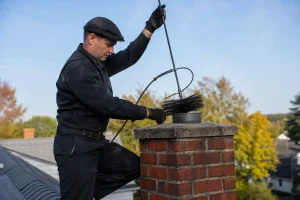
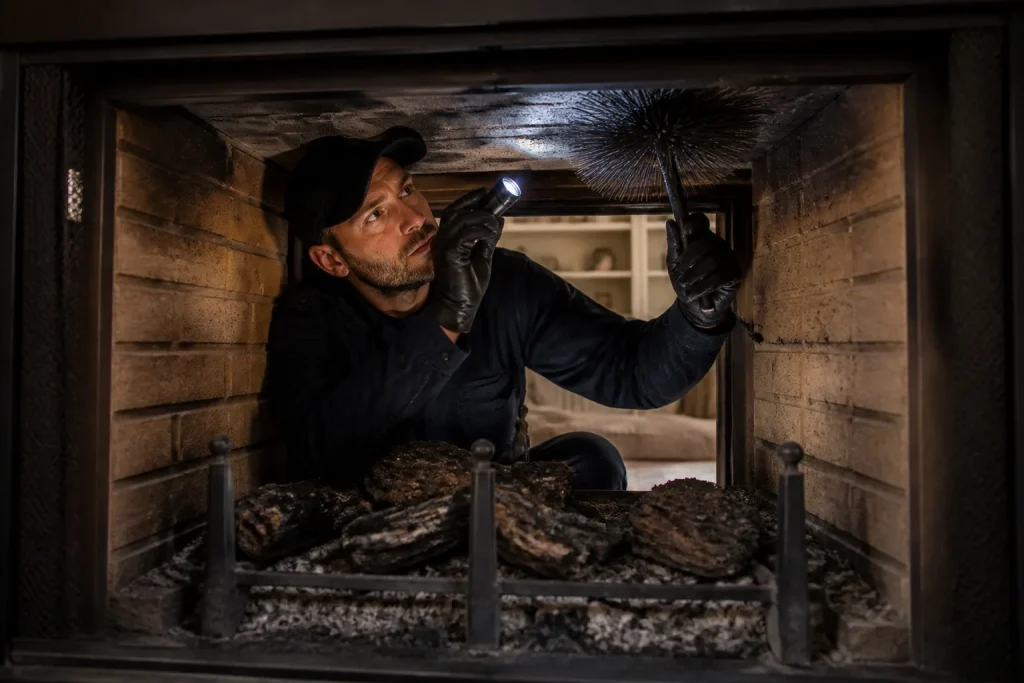
- Installation by Certified Professionals: This is not a DIY job. Installation requires specialized tools and expertise to ensure continuous, sealed liner runs, especially for multi-story conversions. Duct Duct Ccleaning LLC technicians are certified and experienced in these complex installations.
4. Optimizing Venting and Draft Management
- Adequate Draft Calculation: Proper draft is essential for safely expelling combustion gases. Factors like chimney height, cross-sectional area, insulation, and appliance type all influence draft. Industrial chimneys may be excessively tall or wide for residential needs, requiring specific adaptations or smaller, insulated liners.
- Combustion Air Provision: Modern airtight homes demand dedicated outdoor combustion air supplies for fuel-burning appliances. This prevents depressurization and ensures safe, complete combustion.
- Carbon Monoxide Detection: Install UL-listed carbon monoxide detectors on every level of the residence and outside sleeping areas. This is a non-negotiable safety measure.
5. Ensuring Critical Clearance to Combustibles
- Fire Code Compliance: Strict fire codes mandate specific clearances between the chimney’s exterior and any combustible materials (wood framing, insulation, drywall). Industrial structures often had ample clearance, but new residential layouts or interior finishes may inadvertently reduce these.
- Fireblocking and Firestopping: Properly install fireblocking within concealed spaces and firestopping at floor penetrations to prevent fire and smoke spread. This is especially crucial in multi-unit residential conversions common in old Pittsburgh factories.
- Insulation Consideration: Ensure any insulation used around the chimney structure is non-combustible and installed to maintain necessary clearances.
6. Exterior Cap, Crown, and Flashing Maintenance
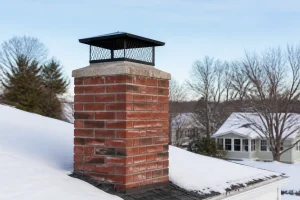
- Weather Protection: A robust chimney cap protects the flue from rain, snow (critical in Pittsburgh’s winters, which see an average of 28 inches of snow), debris, and animals. The crown, or top slab, must be properly sloped and crack-free to direct water away from the masonry.
- Flashing Integrity: Flashing where the chimney meets the roofline must be expertly installed and watertight to prevent water intrusion, which is a leading cause of chimney deterioration. Regular inspections are vital.
- Aesthetics and Durability: While safety is primary, the cap and crown contribute to the building’s aesthetic. Choose durable materials that withstand local climate conditions.
7. Integrating New Residential Systems: Air Ducts & Dryer Vents
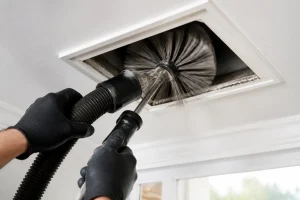
- HVAC Ductwork Integration: New residential spaces will require entirely new HVAC systems and associated ductwork. This is where the overall building efficiency becomes paramount. Just as we emphasize effective system integration for “Duct Sealing for Online Education”, the new air duct systems in a converted space must be sealed meticulously.
- Air Duct Cleaning and Sealing: After new ductwork is installed, ensuring its cleanliness and proper sealing is vital for indoor air quality and energy efficiency. Poorly sealed ducts can lose up to 30% of their airflow, significantly impacting comfort and utility bills. Consider expert “Duct Sealing for Customer Relationship Management (CRM)” strategies, applied here to physical systems, ensuring all components work in harmony for optimal performance.
- Dedicated Dryer Vent Paths: Each residential unit will need a dedicated, properly sized, and routed dryer vent. These must be kept clean and clear. As part of our comprehensive services, Duct Duct Ccleaning LLC offers professional dryer vent cleaning to prevent fire hazards and improve efficiency, a service that extends to new residential constructions and conversions.
Frequently Asked Questions About Industrial-to-Residential Chimney Conversions
Here are some common queries we encounter regarding these complex projects: