Boston’s Historic Brownstones: The Critical Role of Chimney Corbeling in Structural Stability
The Overlooked Foundation: Why Chimney Corbeling in Boston’s Brownstones Demands Your Attention
One of the most common mistakes homeowners with historic properties make is underestimating the subtle, yet critical, structural components that ensure their building’s longevity. For those owning one of Boston’s iconic brownstones, particularly in areas like Beacon Hill or the South End, overlooking the condition of your chimney’s corbeling isn’t just an aesthetic oversight—it’s a direct threat to the structural integrity of your entire property. Many assume a chimney is simply a vertical shaft, failing to recognize the complex masonry that supports its visible structure. Ignoring these foundational elements can lead to costly and dangerous consequences that far exceed the price of timely intervention.
Understanding Chimney Corbeling: More Than Just a Decorative Feature
What is Corbeling?
Corbeling refers to a masonry technique where courses of brick or stone are progressively stepped outwards from the wall face, creating a projection. In historic Boston brownstones, corbeled brickwork is frequently found at the chimney’s crown or where it transitions through different sections of the roofline. Beyond its decorative appeal, this ancient construction method is a fundamental architectural element. For centuries, masons have relied on corbeling to provide support for projecting features like cornices, parapets, and, most importantly, the weighty stack of a chimney extending above the roofline.
The Engineering Behind the Aesthetics
In practice, corbeling distributes the significant load of the upper chimney stack outwards over a broader base. Without this engineered support, the sheer weight of a tall masonry chimney could destabilize or even fracture the narrower flue beneath. It’s a testament to historical engineering, designed to manage vertical compression and lateral forces, crucial in a city known for its variable weather and historic structures. Proper corbeling is a hidden anchor, preventing the upper chimney from essentially becoming top-heavy and unstable, especially as structures age and are exposed to environmental stressors.
Why Corbeling Failure is a Serious Structural Threat
Indicators of Compromise
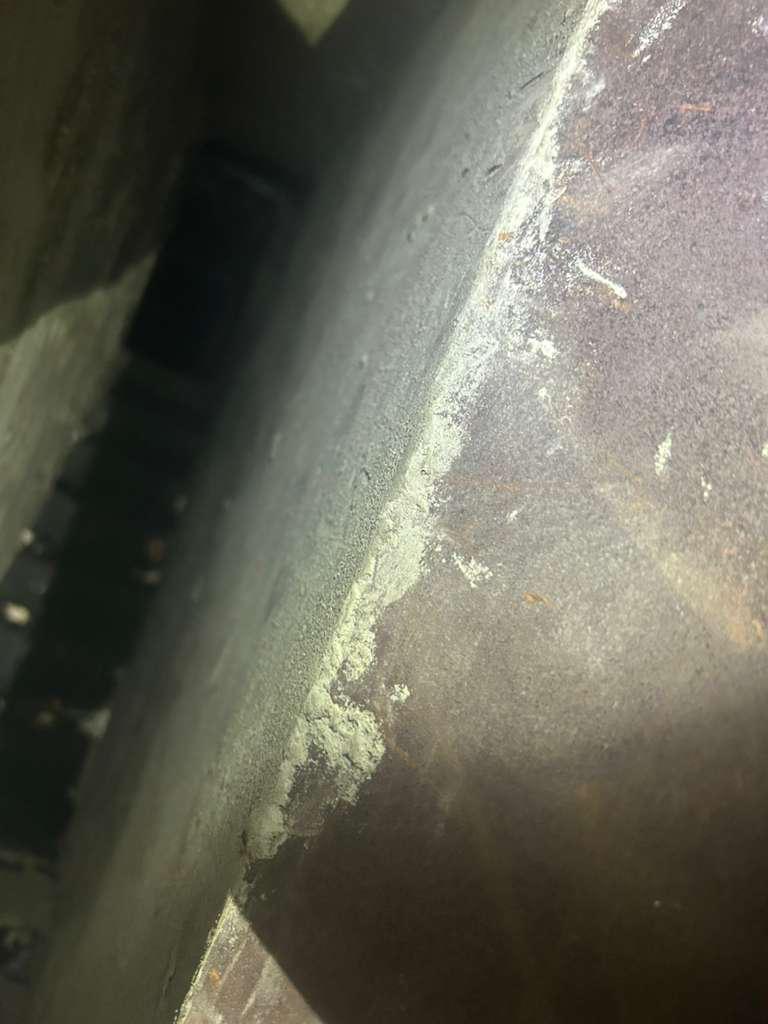
Over time, due to exposure to New England’s harsh winters, freeze-thaw cycles, moisture infiltration, and even minor seismic activity, the mortar joints in corbeled sections can deteriorate. Look for visible signs such as crumbling mortar, spalling bricks (where the face of the brick peels or breaks off), cracks in the masonry, or noticeable bowing or leaning of the chimney stack above the roofline. These are not minor cosmetic issues; they are clear indicators of structural distress within the corbeling system. Even subtle shifts can signify a loss of load-bearing capacity.
The Domino Effect: From Compromise to Catastrophe
When corbeling fails, the chimney loses its critical support system. This can initiate a dangerous chain reaction. The unsupported upper sections can begin to sag, lean, or even collapse, especially during high winds or heavy snow loads—common occurrences in Massachusetts. A failing chimney not only risks structural damage to the roof and surrounding property but also poses a severe safety hazard. Debris can fall, striking people or damaging vehicles, and a partial collapse can compromise the integrity of the flue, leading to carbon monoxide leaks or fire hazards inside the home. Data suggests that chimneys over 75 years old, like many found in the historic districts of Boston, have a significantly increased risk of structural failure without regular inspection and maintenance, with estimates pointing to a 30-40% chance of needing significant repairs within their lifetime.
A Proactive Approach to Chimney Corbeling Maintenance
Regular Professional Inspections and Repair
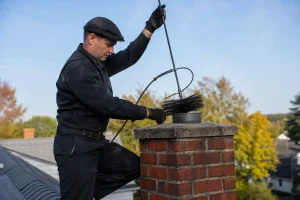
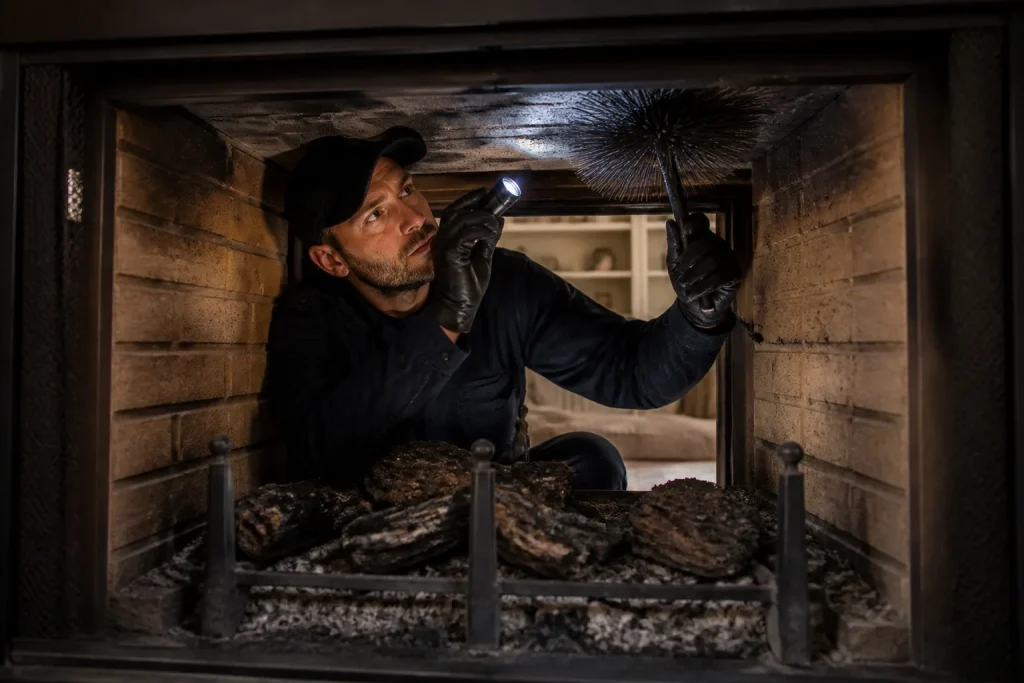
The best defense against corbeling failure is a proactive, professional inspection regimen. Homeowners, especially those in historic areas, should schedule comprehensive chimney inspections at least annually. Trained chimney service professionals, like those at Duct Duct Ccleaning LLC, are equipped to identify the early warning signs of corbeling deterioration. They inspect the entire chimney structure, from the firebox to the cap, paying close attention to the integrity of the masonry, mortar joints, and the corbeling details. Recognizing that proper care extends beyond a single service, we at Duct Duct Ccleaning LLC also understand the importance of comprehensive home health, from chimney upkeep to services like “Duct Sealing for Pubs”, ensuring every part of your building functions optimally.
Timely Repairs and Restoration
Should deterioration be detected, timely repairs are paramount. This is not a DIY project. Repairing corbeling requires specialized masonry skills, knowledge of historic building materials, and an understanding of load-bearing dynamics. Professional chimney restoration involves carefully removing damaged bricks and mortar, matching historical materials where possible, and rebuilding the corbeled sections to exact specifications to restore full structural integrity. Ignoring these issues means they will only worsen, leading to more extensive and expensive repairs down the line. Whether you’re in Cherry Hill, NJ, or looking for expert Duct Duct Ccleaning LLC in Boston, Duct Duct Ccleaning LLC in Dallas, or Duct Duct Ccleaning LLC in New York, prioritizing these inspections is vital. Just as we address concerns with structures, we also handle systems like those found in “Duct Sealing for Electric Vehicles”, demonstrating our commitment to diverse but critical maintenance needs.
Frequently Asked Questions About Chimney Corbeling
- Q: What’s the difference between corbeling and a chimney crown?
A: Corbeling is the stepped, projecting brickwork *supporting* the upper chimney stack. A chimney crown is the solid, often concrete, slab on top of the chimney, acting as a roof for the flue, preventing water intrusion into the masonry below. - Q: Can I repair minor corbeling cracks myself?
A: For cosmetic surface cracks, some very minor repointing might seem possible, but given corbeling’s structural role, even small cracks often indicate deeper issues. It’s always safest to consult a professional chimney technician for an assessment to avoid compromising structural integrity. - Q: How often should I have my chimney’s corbeling inspected?
A: Annual inspections are recommended, especially for older homes with historic chimneys. In regions with severe weather, like the Northeast, or after a significant weather event, an additional inspection can be prudent. - Q: What causes corbeling to fail?
A: Common causes include age-related mortar deterioration, repeated freeze-thaw cycles expanding and contracting materials, water penetration, chimney fires, and inadequate initial construction or previous repairs. - Q: Is corbeling deterioration covered by home insurance?
A: Generally, sudden damage from perils like storms or fires might be covered. However, damage due to gradual deterioration or lack of maintenance is typically not. Consult your specific policy and insurer. - Q: How long does a corbeling repair typically take?
A: The duration varies greatly depending on the extent of the damage. Minor repointing might take a day, while significant reconstruction of multiple corbeled sections could take several days or even a week, involving scaffolding and specialized masonry work.
Secure Your Historic Investment: Expert Chimney Care from Duct Duct Ccleaning LLC
Understanding and proactively maintaining your chimney’s corbeling is not just about preserving architectural heritage; it’s about safeguarding your property and ensuring the safety of its occupants. Don’t let the nuanced engineering of your historic Boston brownstone’s chimney become an overlooked liability. At Duct Duct Ccleaning LLC, we specialize in comprehensive chimney services, including meticulous inspections and expert repairs for critical structural components like corbeling, right here in Cherry Hill, NJ, and surrounding areas. For peace of mind and the preservation of your valuable investment, trust the professionals. Contact Duct Duct Ccleaning LLC today to schedule your expert chimney assessment. Call us at (609) 507-0043 – your safety is our priority.