Chicago Building Codes: Understanding Dryer Vent Installation Requirements for Fire Safety in Multi-Story Dwellings
Did you know that in 2010-2014, U.S. fire departments responded to an estimated 13,820 home fires involving clothes dryers or washing machines each year? Tragically, these fires resulted in an average of 15 deaths, 275 injuries, and $222 million in direct property damage annually. The leading cause? You guessed it: failure to clean. But in multi-story buildings, especially in bustling cities like Chicago, the risks are amplified, and the installation requirements are far more stringent than for a single-family home.
As residents of Cherry Hill, NJ, our team at Duct Duct Ccleaning LLC understands that worrying about the safety of your home, or the homes within your building, can be overwhelming. You want to ensure your tenants or co-owners are safe, and that your property adheres to critical safety standards without having to become a building code expert yourself. That’s why we’ve put together this ultimate guide to Chicago’s dryer vent installation requirements for multi-story dwellings – to offer clarity, reassurance, and actionable insights for preventing dangerous dryer fires.
Understanding the Unique Challenges of Chicago’s Multi-Story Dwellings
Chicago’s impressive skyline is filled with multi-story buildings, from historic lofts in River North to modern high-rises in Streeterville. While offering unparalleled urban living, these structures present unique challenges for dryer vent systems. Longer vent runs, shared walls, limited access for maintenance, and the potential for fires to spread more rapidly through vertical shafts mean that proper installation and ongoing care are not just good practice—they are life-saving necessities. The city’s often harsh winters also mean dryers get more use, increasing lint accumulation and the potential for blockages if systems aren’t up to code and well-maintained.
Key Chicago Building Code Requirements for Dryer Vent Installation
Chicago adopts and amends the International Mechanical Code (IMC), which outlines strict provisions for dryer exhaust systems to ensure maximum safety. Here are the core requirements you need to understand:
Vent Material and Diameter: No Compromises
- Smooth-Walled Metal Ducts Only: The code strictly prohibits flexible plastic or foil-type dryer ducts. These materials can sag, creating lint traps, and are not fire-resistant. Only rigid or semi-rigid metal ducts with smooth interior surfaces are permissible. This ensures efficient airflow and minimizes lint build-up.
- Minimum 4-Inch Diameter: Dryer vents must maintain a consistent 4-inch diameter throughout their entire run. Reducing the diameter restricts airflow, causing the dryer to work harder, overheat, and increasing fire risk.
Length Limitations and Bend Reductions: Airflow is King
- Maximum Length: The code specifies a maximum allowable length for dryer exhaust ducts, typically 25 feet from the dryer to the exterior termination point. However, this is a gross length that is significantly reduced by turns.
- Elbow Reductions: Each 90-degree elbow reduces the effective length of the duct by 5 feet, and each 45-degree elbow reduces it by 2.5 feet. So, a vent run with three 90-degree bends would effectively be shortened by 15 feet, leaving only 10 feet of straight duct permissible. This is critical for maintaining adequate airflow and preventing lint accumulation.
Termination and Protection: Sending Lint Outdoors Safely
- Exterior Termination: Dryer vents must terminate directly to the outdoors, never into an attic, crawl space, or other enclosed area. This prevents moisture, heat, and lint from accumulating indoors.
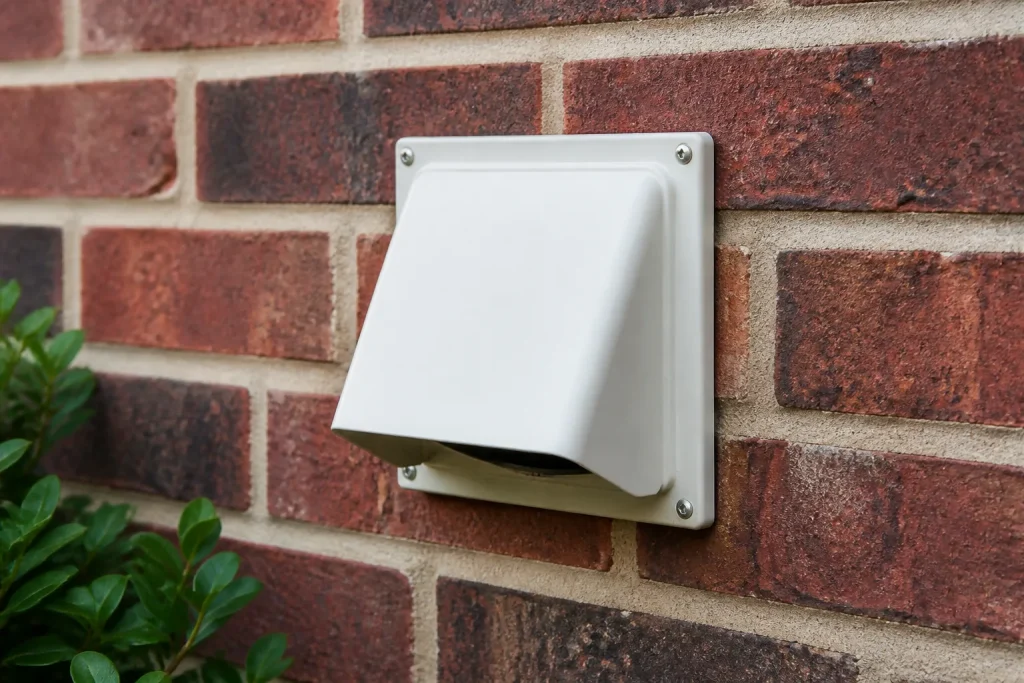
- Proper Vent Hoods: The exterior termination must be equipped with a backdraft damper to prevent cold air and pests from entering the duct, but it must NOT have a screen. Screens can trap lint, leading to blockages and fire hazards. The hood should be durable and designed for optimal airflow.
Booster Fans: When Longer Runs Are Unavoidable
In multi-story buildings, it’s often impossible to meet the 25-foot maximum length, even after factoring in bend reductions. In such cases, approved dryer exhaust booster fans may be required. These fans must be specifically designed for dryer exhaust applications, installed according to the manufacturer’s instructions and local codes, and ensure the entire system has adequate access for cleaning and inspection. Proper installation is as critical for booster fans as for the ductwork itself. Our expertise in professional air duct cleaning services extends to understanding the intricate needs of all ventilation systems, including those requiring booster fans.
The Hidden Dangers of Non-Compliance and Neglect
Ignoring Chicago’s dryer vent codes or neglecting regular maintenance isn’t just a matter of avoiding fines; it’s a direct invitation for significant hazards. Lint, highly flammable, builds up in clogged vents, restricting airflow and causing dryers to overheat – a leading cause of home fires. Beyond fire, restricted airflow can also lead to:
- Carbon Monoxide Buildup: For gas dryers, blockages can prevent carbon monoxide from venting properly, posing a silent, deadly threat to residents.
- Mold and Mildew: Trapped moisture creates ideal conditions for mold growth, impacting indoor air quality and structural integrity.
- Increased Energy Bills: A dryer working harder and longer due to poor ventilation consumes more energy, hitting your wallet.
Maintaining the integrity of all duct systems, whether it’s dryer vents or even systems requiring precision duct sealing, is about ensuring peak performance and, more importantly, safety.
Beyond Installation: The Critical Role of Ongoing Maintenance
Even a perfectly installed dryer vent system in a Chicago high-rise isn’t a “set it and forget it” solution. Regular cleaning is absolutely vital to prevent lint buildup. This is where professional services like Duct Duct Ccleaning LLC come in. We don’t just understand the installation codes; we specialize in the meticulous cleaning and maintenance that keeps your system safe and efficient year after year. Our team serving Cherry Hill, NJ, brings this same dedication to excellence. While this article focuses on Chicago, residents needing services from Duct Duct Ccleaning LLC in Chicago, Duct Duct Ccleaning LLC in Detroit, or Duct Duct Ccleaning LLC in Pittsburgh can expect the same high standards.
If you’re unsure about the last time your building’s dryer vents were inspected or cleaned, especially for units in multi-story dwellings, now is the time to act. Don’t wait for reduced drying times or a strange smell to signal a problem. Proactive maintenance is the best defense against dryer vent fires.
Frequently Asked Questions About Dryer Vent Safety in Multi-Story Buildings
We understand you might have more specific questions. Here are some common inquiries:
Q1: How often should dryer vents in multi-story buildings be cleaned?
A1: For multi-unit buildings, annual cleaning is often recommended due to higher usage rates. For individual units, every 1-2 years, depending on dryer usage, is a good guideline. Professional assessment can provide a more tailored schedule.
Q2: Can I use mesh or screen at the exterior vent termination?
A2: No. Chicago codes, like most safety standards, prohibit screens at the exterior termination point for dryer vents. Screens can quickly become clogged with lint, restricting airflow and creating a fire hazard. Use a proper louvered vent hood with a backdraft damper.
Q3: What are the signs of a clogged dryer vent?
A3: Common signs include longer drying times, clothes feeling unusually hot, a burning smell, excessive heat or humidity in the laundry room, and the dryer automatically shutting off due to overheating. If you notice these, contact a professional immediately.
Q4: Who is responsible for dryer vent maintenance in a condo or apartment building?
A4: This can vary. Generally, the building management or HOA is responsible for common exhaust systems and the main runs within walls, while individual unit owners/tenants may be responsible for the portion connecting directly to their dryer. Always check your building’s bylaws or lease agreement.
Q5: Is DIY dryer vent cleaning safe for multi-story buildings?
A5: While superficial cleaning around the dryer opening is fine, reaching the entire vent run, especially in a multi-story building with complex routing, requires specialized tools and expertise