Preventing Musty Odors from Unused Chimneys in Historic Philadelphia Rowhomes
Picture this: you’ve painstakingly renovated your historic Society Hill rowhome, blending classic charm with modern comforts. You’re hosting a swanky dinner party, candlelight flickering, jazz music softly playing. Suddenly, a guest wrinkles their nose, politely asking, “Is something… smoky?” Your heart sinks. That faint, persistent musty odor, clinging to the air like a phantom from another century, has decided to make a grand entrance directly from your elegant, but long-unused, chimney. You tried air fresheners, you burned candles, but the ancestral funk prevails!
Sound familiar? For many owners of cherished old homes in neighborhoods like Queen Village, Old City, and Fitler Square, this scenario is a little too real. Unused chimneys in historic Philadelphia rowhomes are notorious for harboring that unmistakable musty, damp, often sooty smell. But fear not, fellow historic homeowner! Duct Duct Ccleaning LLC is here to tell you that banishing these unwelcome olfactory guests is entirely possible. It’s all about proactive, seasonal maintenance. Think of us as your odor-busting squad!
Spring: The Great Awakening & Assessment
As the winter chill finally loosens its grip and the famous cherry blossoms near the Schuylkill begin to bloom, spring is the perfect time for a thorough chimney check-up. After months of potential dormancy or occasional use, your chimney could be holding onto a lot more than just soot.
What to Look For:
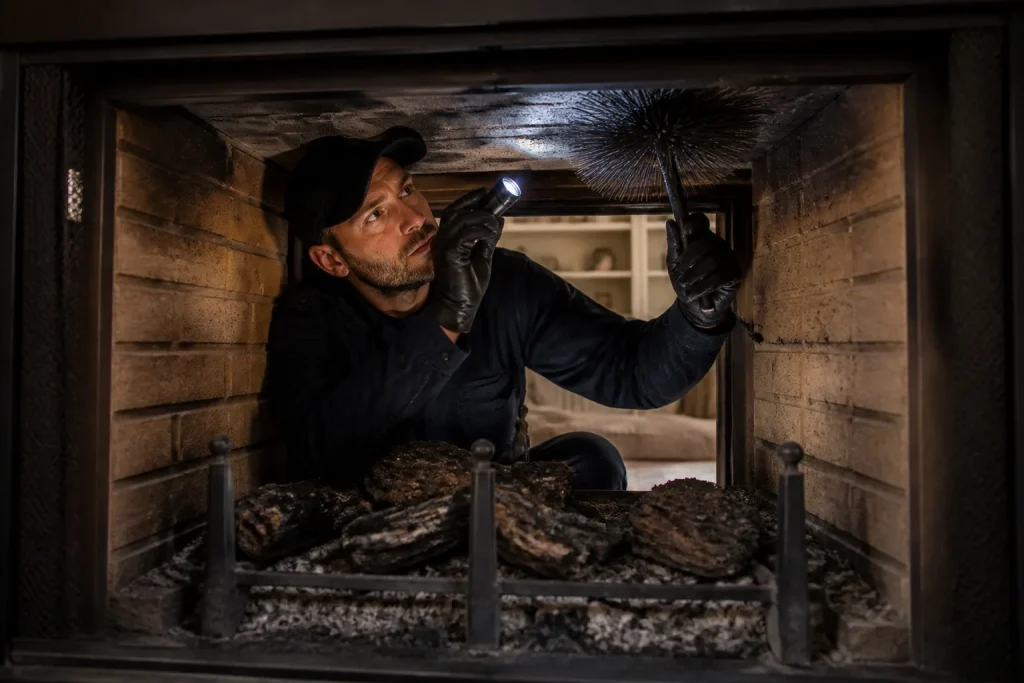
- Creosote Buildup: Even if you haven’t used your fireplace much, residual creosote (a tar-like substance) from past fires can emit a pungent, smoky, and often musty odor, especially as temperatures rise and humidity increases. It’s also highly flammable, so getting it professionally cleaned by experts like Duct Duct Ccleaning LLC in Philadelphia is essential for fire safety and odor prevention.
- Water Penetration: Old masonry, especially after a winter of freeze-thaw cycles, can develop hairline cracks. Philadelphia’s spring rains are no joke, and water seeping into your chimney structure can lead to dampness, mold, and that signature musty smell. A professional inspection will identify these issues before they become major problems. Did you know a single cubic foot of water can weigh over 60 pounds? That’s a lot of potential damage!
- Animal Guests: Spring is prime nesting season. Birds, raccoons, and even squirrels find the dark, sheltered confines of an unused chimney a five-star hotel. Their droppings, nesting materials, and unfortunate demises can produce truly horrifying odors.
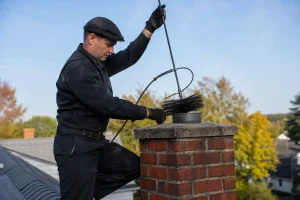
Action: Schedule a professional chimney inspection and cleaning with Duct Duct Ccleaning LLC. Our certified technicians can identify issues that contribute to odors and safely remove any unwelcome blockages or buildup. We also offer Duct Sealing for Masonry Services to protect your historic brickwork.
Summer: Humidity Hacks & Pest Patrol
Ah, summer in Philly – glorious sunshine, outdoor dining, and humidity that could peel paint off a wall. This high humidity is a prime culprit for activating dormant odors in your chimney system. If moisture combines with creosote, mold, or residual smells, it amplifies them significantly.
Combating the Summer Funk:
- Invest in a Quality Chimney Cap: This is your first line of defense! A proper cap with a mesh screen prevents rain, leaves, and critters from entering. For historic homes, finding a cap that complements the architecture is key.
- Top Sealing Damper: Unlike traditional throat dampers, a top-sealing damper sits at the top of your chimney, providing a much tighter seal. This dramatically reduces airflow when the fireplace is not in use, keeping out hot, humid air and preventing odors from wafting into your home. It’s an expert-level upgrade for true odor control.
- Run Your AC: While not a direct chimney fix, running your air conditioning system helps dehumidify your entire home, which indirectly reduces the moisture available to activate chimney odors. If your home has central air ducts, ensuring they are clean can also improve overall air quality.
Action: Consider installing a top-sealing damper. Also, ensure any visible cracks in your chimney’s exterior masonry are addressed. Our team at Duct Duct Ccleaning LLC, reachable at (609) 507-0043, can advise on the best solutions for your specific historic chimney.
Autumn: Preparing for Dormancy
As the leaves turn brilliant hues and the air grows crisp, it’s time to batten down the hatches and prepare your unused chimney for its long winter’s nap (or very occasional festive blaze). This is about sealing the deal on odor prevention.
Final Odor-Proofing Steps:
- Flue Cover/Balloon: For chimneys you genuinely won’t use at all, a chimney balloon or flue cover (also known as a “flue plug”) can provide an additional airtight seal from inside the firebox. This physical barrier stops drafts, prevents outside air (and smells) from entering, and blocks conditioned air from escaping. Remember to remove it if you decide to light a fire!
- Inspect the Firebox: Give your firebox a good vacuuming to remove any lingering ash or debris that could contribute to odors. Sprinkle a bit of baking soda inside and let it sit for a few days before vacuuming again.
- Consider Air Circulation: Even unused spaces benefit from some air movement. Ensuring your home’s air ducts are clean can aid in general air circulation and help mitigate any lingering ambient odors. This proactive approach helps preserve air quality throughout your entire living space, whether you’re in Cherry Hill, NJ or other regions where our certified experts like Duct Duct Ccleaning LLC in Pittsburgh or Duct Duct Ccleaning LLC in Cleveland serve.
Action: If you haven’t already, install a high-quality chimney cap and a top-sealing damper. If these aren’t options, look into a chimney balloon. For regulatory compliance, especially with historic properties, consulting with professionals is wise, and sometimes even for tasks like Duct Sealing for Regulatory Affairs, specialist advice is helpful.
Winter: Vigilance During Dormancy
During winter, if your chimney remains unused, the focus shifts to maintaining the preventative measures you’ve put in place. Cold weather can sometimes intensify existing smells or create new ones if moisture seeps in and freezes, then thaws, damaging masonry. Keep an eye (and nose!) out for any new developments.
Action: Periodically check around the fireplace for new drafts or faint smells. If you notice any, it’s a sign to revisit your preventative measures or call in the pros for an assessment.
FAQs: Your Musty Chimney Questions Answered!
Q1: Why do unused chimneys smell musty?
A: Musty odors typically arise from a combination of factors: creosote residue absorbing moisture, mold or mildew growth due to water penetration, animal droppings or nesting materials, and even general debris accumulation, all exacerbated by humidity and stagnant air.
Q2: Can cleaning the chimney entirely eliminate the smell?
A: A professional chimney cleaning is a crucial first step, as it removes creosote and debris. However, if the smell persists, it indicates deeper issues like moisture intrusion, unsealed dampers, or inadequate ventilation that also need to be addressed.
Q3: Are chimney deodorizers effective?
A: Chimney deodorizers can offer a temporary fix by masking odors. They do not address the root cause of the smell. For a lasting solution, you need to identify and eliminate the source of the odor.
Q4: How often should I have my unused chimney inspected?
A: Even unused chimneys should be inspected annually by a certified professional. This ensures early detection of structural damage, water intrusion, or animal entry, all of which contribute to odors and potential safety hazards.
Q5: Can extreme weather make the musty smell worse?
A: Absolutely. High humidity, heavy rains, or strong winds can force odors into your home or create the damp conditions that promote mold and amplify existing smells from creosote or animal waste.
Q6: Does a chimney cap prevent odors?
A: A chimney cap prevents rain and animals from entering your flue, which are major contributors to musty odors. While it doesn’t eliminate smells from inside the flue itself, it’s a vital preventative measure for external sources of odor and moisture.
Don’t Let Your Historic Home Smell Like History (in a Bad Way)!
That cherished Philadelphia rowhome deserves to smell fresh and clean, not like a forgotten cellar! By following these seasonal tips and enlisting the expertise of professionals, you can effectively prevent those stubborn musty chimney odors.
Ready to reclaim your home’s fresh scent? Don’t let your unused chimney become a smelly secret. For comprehensive chimney services, including inspections, cleanings, and odor solutions, contact Duct Duct Ccleaning LLC today! We serve Cherry Hill, NJ and surrounding areas, ensuring your home’s air is as pristine as its historic charm.
Give us a ring at (609) 507-0043 – your nose (and your guests) will thank you!