Cleveland Homeowners: The Little-Known Impact of Damaged Chimney Liners on Indoor Air Quality
Ever find yourself in your Cleveland home, perhaps in a charming bungalow in Lakewood or a grander residence near University Circle, wondering why despite your best efforts, there’s a lingering musty odor, or why family members seem to be experiencing more frequent respiratory issues? You might be meticulously cleaning, running air purifiers, and even considering professional Duct Duct Ccleaning LLC in Columbus for your vents, yet the problem persists. The truth is, sometimes the culprits are hidden in plain sight, or rather, out of sight. One of the most overlooked components affecting indoor air quality, especially in Cleveland’s older housing stock and during its harsh winters, is your chimney liner.
At Duct Duct Ccleaning LLC, we specialize in comprehensive chimney services and air duct cleaning, serving homeowners in Cherry Hill, NJ, and understanding these critical issues deeply. We know that what’s true for one home often rings true for another, especially regarding the science of combustion and air quality. Let’s cut through the noise and address some common misconceptions and “mistakes to avoid” when it comes to your chimney liner and its profound impact on your home’s breathable air.
Mistake #1: Ignoring Subtle Signs of Chimney Liner Damage
Why It’s a Mistake: Direct Impact on Air Quality and Safety
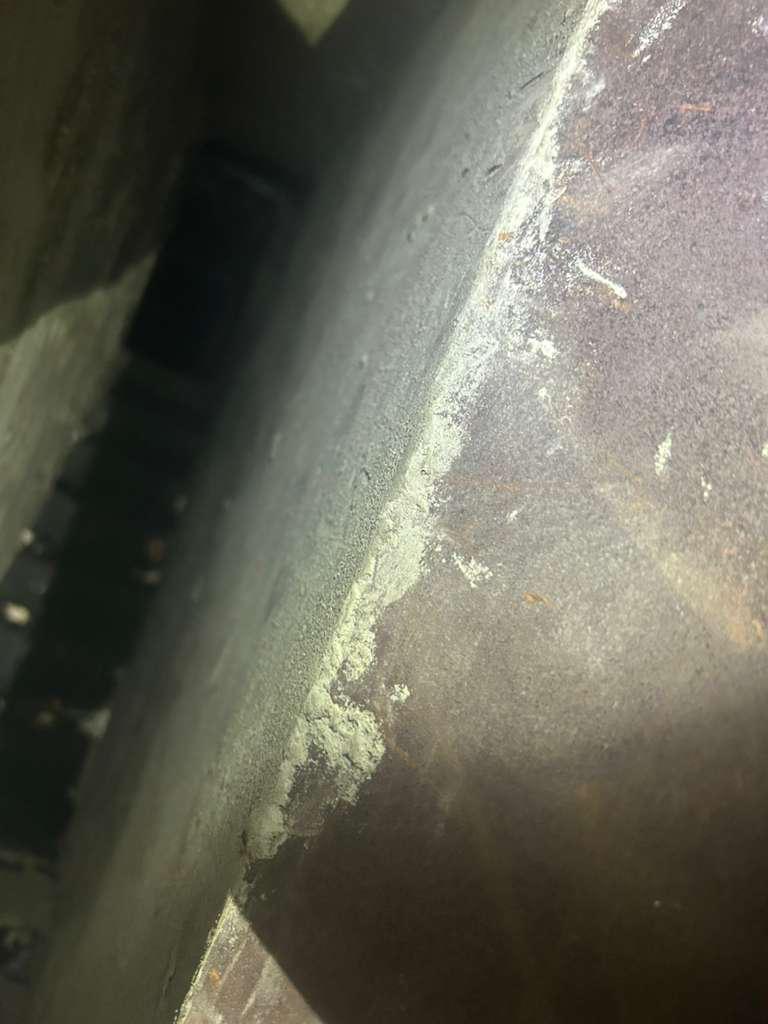
Many Cleveland homeowners assume their chimney liner is fine until they see obvious cracks or falling debris. This is a critical oversight. A damaged liner isn’t just a structural issue; it’s a direct pathway for hazardous byproducts of combustion to enter your living space. Consider the intense freeze-thaw cycles Cleveland endures, which can silently degrade liners, especially those made of clay tile, over decades. Tiny hairline fractures, undetectable to the untrained eye, can allow creosote, soot, and even carbon monoxide to seep through into your home’s air supply. Studies by the EPA have shown that indoor air pollutants can be 2 to 5 times higher than outdoor levels, and a compromised chimney contributes significantly to this burden, leading to symptoms like headaches, dizziness, or exacerbated asthma.
What To Do Instead: Regular Professional Inspections and Symptom Awareness
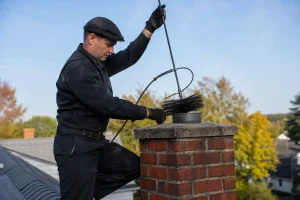
Do not wait for visible damage. Schedule annual chimney inspections, especially if you regularly use your fireplace or wood-burning stove during Cleveland’s long heating season. Be vigilant about subtle indicators: a faint smoky smell in the room when the fireplace isn’t in use, a noticeable draft, or unusual condensation within the firebox. These are early warning signs. A certified chimney sweep can identify subtle liner damage using specialized cameras, ensuring your family’s safety and air quality are not compromised.
Mistake #2: Assuming “Clean Chimney” Means “Healthy Liner”
Why It’s a Mistake: Different Issues, Different Expertise
It’s commendable to get your chimney cleaned to remove creosote build-up, but confusing a basic cleaning with a comprehensive liner assessment is a mistake. A cleaning primarily focuses on removing flammable deposits. A liner assessment, however, looks at the integrity of the liner material itself, its joints, and its ability to properly contain and vent combustion gases. An old, but “clean,” clay tile liner can still have structural cracks or deteriorated mortar joints that render it ineffective and dangerous. Just as a business might need specialized services like Duct Sealing for Landscaping Companies to optimize their operations, a chimney requires specialized attention beyond a surface clean.
What To Do Instead: Demand Specific Liner Assessment
When you call for chimney service, specifically ask for a Level 2 inspection according to the Chimney Safety Institute of America (CSIA) standards. This typically includes a video scan of the entire flue interior, allowing the technician to thoroughly evaluate the condition of your liner. Duct Duct Ccleaning LLC provides detailed assessments as part of our comprehensive chimney services, giving homeowners clarity on the true condition of their chimney’s most vital component.
Mistake #3: Underestimating the Health Risks of Carbon Monoxide
Why It’s a Mistake: The Invisible Threat from Compromised Liners
Carbon monoxide (CO) is often called the “silent killer” because it’s colorless, odorless, and tasteless. A fully functional chimney liner is crucial for safely expelling CO and other combustion gases from your home. When a liner is damaged, these gases can leak into your living spaces, posing severe health risks, including permanent brain damage or even death. This risk is particularly elevated during cold Cleveland winters when homes are sealed up tight and heating systems (and fireplaces) are in constant use. Unfortunately, many homeowners rely solely on standard smoke detectors, which do not detect CO. We also understand that just as complex financial situations require expert advice, like Duct Sealing for Bankruptcy Services helps businesses navigate efficiency during challenging times, understanding your chimney’s integrity requires specific, expert evaluation.
What To Do Instead: Install CO Detectors and Ensure Liner Integrity
Beyond professional liner checks, equip your home with functioning carbon monoxide detectors on every level, especially near sleeping areas and attached garages. Test them regularly. These devices are your primary defense against CO poisoning, but preventing the leak in the first place through a sound chimney liner is paramount. Companies like Duct Duct Ccleaning LLC in New York and Duct Duct Ccleaning LLC in Chicago stress these same safety protocols, highlighting universal chimney safety best practices.
Mistake #4: Overlooking the Link Between Chimney and Overall Home Air Quality
Why It’s a Mistake: Interconnected Systems
Your chimney isn’t an isolated system; it’s part of your home’s larger envelope and HVAC network. A compromised liner doesn’t just vent combustion gases; it can also affect the efficiency of your heating appliance and contribute to negative pressure issues within your home, potentially pulling in outdoor pollutants or even backdrafting from other appliances. Issues in the chimney can exacerbate problems in your air ducts, leading to a complex web of indoor air quality challenges. Dust, allergens, and even mold spores can circulate more freely when airflow systems are out of balance.
What To Do Instead: Holistic Approach to Home Air Quality
Consider your entire home’s air quality. While a sound chimney liner is vital, also consider professional air duct cleaning to remove accumulated dust, pet dander, and other contaminants that circulate throughout your Cherry Hill home. A holistic approach ensures all components are working together for optimal indoor air.
Mistake #5: Delaying Professional Assessment and Repair
Why It’s a Mistake: Escalating Damage and Costs
The biggest mistake is procrastination. What starts as a minor crack in a clay liner or a small section of a deteriorated metal liner can quickly worsen, especially with repeated use and exposure to Cleveland’s weather. Small issues ignored lead to more extensive, more costly repairs, or even the need for a full liner replacement. Beyond the financial aspect, every day a damaged liner is in use, it poses an unnecessary health and safety risk to your household.
What To Do Instead: Prompt Action and Expert Consultation
If an inspection reveals liner damage, act promptly. Whether it requires minor patching, a stainless steel liner insert, or a full flue replacement, addressing the issue immediately can save lives and significant expense. Trust only certified and experienced professionals for these critical repairs.
FAQ: Chimney Liners & Indoor Air Quality
Understanding the intricacies of your chimney liner is essential for maintaining safe and healthy indoor air in your Cleveland home.
- Q1: What exactly is a chimney liner?
A: A chimney liner (or flue liner) is a continuous passageway within your chimney that protects the chimney walls from heat and corrosive byproducts of combustion, and safely vents smoke and gases outside. - Q2: How often should my chimney liner be inspected?
A: The Chimney Safety Institute of America (CSIA) recommends annual inspections for all chimneys, regardless of use. If you use your fireplace frequently, consider more frequent checks. - Q3: Can a damaged liner really affect my indoor air quality if my house is well-ventilated?
A: Yes. Even with good general ventilation, a damaged liner creates a direct path for combustion gases (like carbon monoxide) and particulate matter to enter your home’s living spaces, bypassing your normal ventilation. - Q4: What are the common types of chimney liners?
A: The most common types are clay tile, metal (typically stainless steel or aluminum), and cast-in-place (a cement-like product poured into the chimney). Each has its pros and cons and different lifespan. - Q5: What are the signs I might have a damaged chimney liner?
A: Signs include a smoky smell, soot or creosote flakes falling into the firebox, visible cracks (if you can see inside), unexplained drafts, or a change in your fireplace’s performance (e.g., poor drafting). - Q6: Is a stainless steel liner insert the best solution for a damaged clay liner?
A: Often, yes. Stainless steel liners are durable, resistant to corrosion, and provide a continuous, safe pathway for gases. They are a common and effective solution for renovating older clay-lined chimneys.
Your home’s indoor air quality is paramount, and your chimney liner plays a larger role than you might realize. Don’t fall prey to common misconceptions or ignore the warning signs. If you suspect an issue or simply need a thorough, professional assessment of your chimney’s health, trust the experts.
For Cherry Hill, NJ homeowners, Duct Duct Ccleaning LLC is your go-to source for reliable chimney services, air duct cleaning, and dryer vent cleaning. Protect your home and your family’s health. Call Duct Duct Ccleaning LLC today at (609) 507-0043 for a comprehensive inspection and the peace of mind you deserve.