Minimizing Energy Waste: Optimizing Commercial Dryer Vent Systems in Boston Businesses
It’s a common scenario in countless homes: laundry day arrives, and the dryer simply isn’t performing. Clothes take two, three, sometimes even four cycles to dry completely. Most homeowners intuitively check the lint trap, but often overlook the deeper issue – a clogged or inefficient dryer vent system. While frustrating for a household, this oversight escalates from a minor inconvenience to a significant operational and financial drain for commercial establishments, especially in bustling urban environments like Boston.
For businesses, particularly those with high-volume laundry needs such as hotels near Copley Square, laundromats in the North End, or healthcare facilities in the Longwood Medical Area, the implications of an unoptimized commercial dryer vent system extend far beyond damp towels. It translates directly into substantial energy waste, increased operational costs, and elevated safety risks. At Duct Duct Ccleaning LLC, we understand these complex challenges, and our expertise is rooted in enhancing efficiency and safety.
The Hidden Drain: Inefficient Commercial Dryer Vent Systems
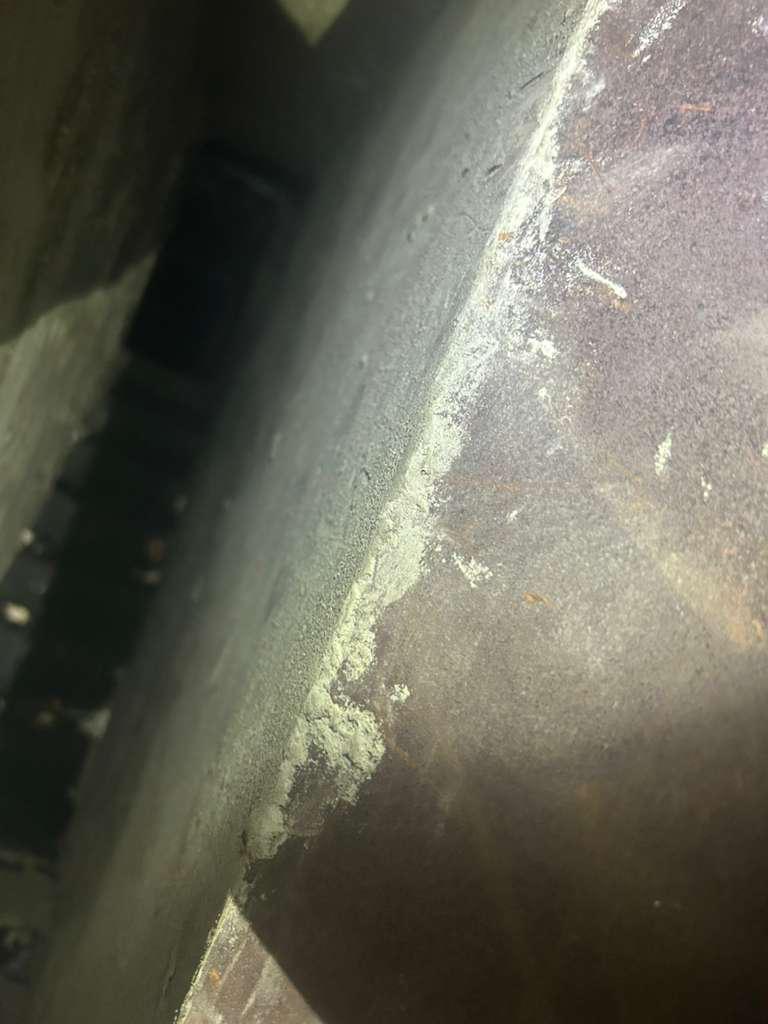
Consider the stark comparison between a neglected commercial dryer vent system and one that is professionally maintained. In an unaddressed system, lint, debris, and moisture accumulate rapidly, creating resistance to airflow. This forces industrial dryers to work harder and longer, consuming excessive amounts of energy. Data suggests that restricted airflow can increase drying times by 50% or more, leading to a corresponding surge in electricity or gas consumption. For a business running multiple dryers for 10+ hours a day, these costs accumulate quickly, impacting the bottom line.
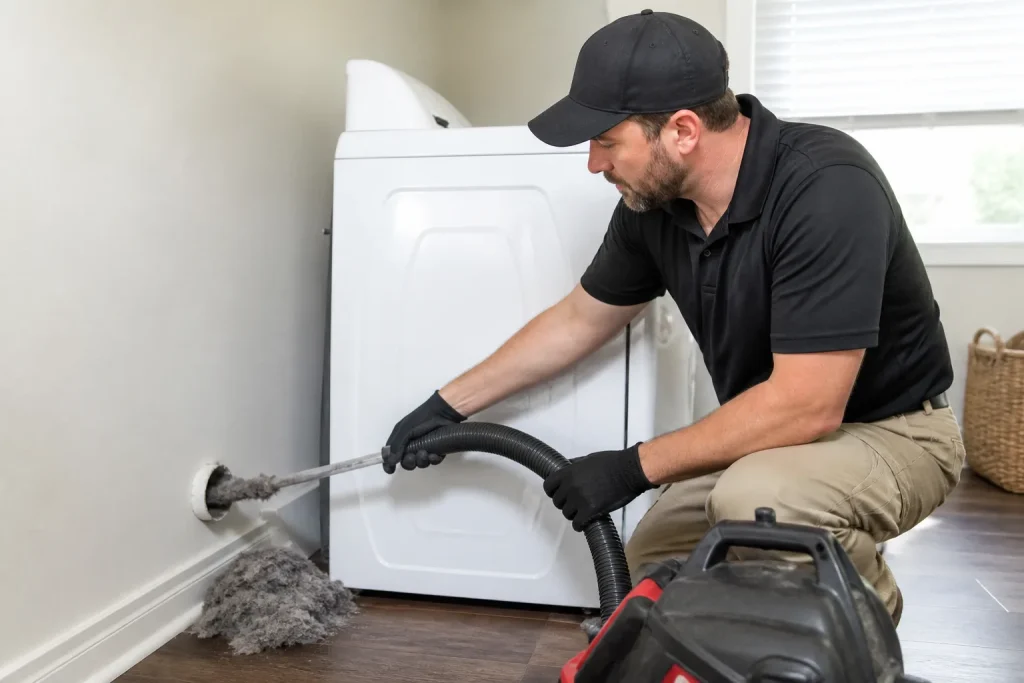
In contrast, a well-maintained system, regularly cleaned and inspected by professionals like Duct Duct Ccleaning LLC, allows for optimal airflow. This enables dryers to operate at their peak efficiency, significantly reducing cycle times and energy expenditure. Imagine the difference for a hotel near the Boston Common, where hundreds of pounds of laundry are processed daily. Shorter drying times mean lower utility bills and increased throughput, allowing more loads to be completed in the same timeframe without extra energy.
Beyond the Basics: Optimal Venting Configurations
The efficiency of a commercial dryer vent system isn’t solely about cleanliness; it’s profoundly influenced by its configuration and installation. Many older commercial buildings across Boston, from the historic brick structures of Beacon Hill to the more modern, sprawling complexes of the Seaport District, may have outdated or poorly designed venting. The comparison here is crucial:
Suboptimal Installation vs. Best Practice Engineering
- Flexible Ducting: Often seen as a quick solution, flexible vinyl or foil ducting (the kind homeowners frequently use) has internal ridges that trap lint and create significant airflow resistance. In a commercial setting, this material is a recipe for chronic inefficiency and fire risk.
- Rigid Metal Ducting: The professional standard. Smooth, rigid metal ducts (galvanized steel or aluminum) offer minimal resistance, preventing lint accumulation and promoting unobstructed airflow. Their durability is paramount in commercial environments.
- Excessive Length & Turns: Every foot of ducting and every 90-degree turn adds resistance. Long, winding paths, often necessitated by building design, severely hamper dryer performance. Poorly planned systems might run dozens of feet with multiple bends.
- Minimized Path & Booster Fans: Optimized systems prioritize the shortest, straightest path to the exterior. Where long runs are unavoidable, properly sized and installed in-line booster fans are integrated to maintain adequate airflow velocity. This is especially vital in multi-story buildings where dryers might be far from an exterior vent. Businesses seeking to ensure their systems meet these high standards can consult with experts like Duct Duct Ccleaning LLC in Boston.
The Energy-Saving Payoff: Professional Cleaning & Maintenance
The distinction between intermittent, superficial cleaning and regular, professional maintenance is profound. Many businesses attempt basic lint removal, but this only addresses the surface. The real problems lie deeper within the ductwork, where compressed lint forms a tenacious, often flammable, blockage.
Infrequent vs. Regular Professional Service
- Fire Hazard Reduction: Lint is highly combustible. The U.S. Fire Administration reports that clothes dryer fires account for approximately 2,900 residential fires annually, resulting in millions of dollars in losses and numerous fatalities. While these are residential statistics, the fire risk in commercial operations, with larger dryers and higher usage, is exponentially greater if neglected. Professional cleaning removes this critical fire accelerant.
- Extended Appliance Lifespan: When dryers struggle against restricted airflow, their internal components (motors, heating elements) are put under immense strain. This leads to premature wear and tear, necessitating costly repairs or even full appliance replacement. Regular vent cleaning ensures optimal operation, extending the lifespan of expensive commercial laundry equipment.
- Superior Drying Performance: Consistent airflow translates to consistent, efficient drying. This isn’t just about energy; it’s about productivity. For high-volume operations, rapid, thorough drying directly impacts customer satisfaction and operational throughput.
Ensuring your commercial facilities maintain peak operational efficiency extends beyond dryer vents. Just as meticulous attention to detail is essential for a productive environment, ensuring proper “Duct Sealing for Tax Preparation” or “Duct Sealing for Accounting Services” is crucial for financial practices to maintain optimal environmental control and safeguard sensitive equipment. Similarly, in other specialized commercial settings, such as catering services, the integrity of air systems is paramount for hygiene and efficiency, making “Duct Sealing for Catering Services” a vital consideration. Even in the realm of security, much like ensuring effective ventilation for a safe atmosphere, “Duct Sealing for Access Control Systems” is key for maintaining critical infrastructure. Our comprehensive understanding of commercial systems, from Boston to locales like Duct Duct Ccleaning LLC in Houston and Duct Duct Ccleaning LLC in Dallas, positions us to deliver exceptional service.
Proactive Steps for Boston Businesses
For businesses thriving in Boston’s diverse economic landscape, from the historic Faneuil Hall marketplace to the burgeoning tech hubs in Kendall Square, optimizing commercial dryer vent systems is a non-negotiable aspect of responsible facility management. It’s an investment that pays dividends in energy savings, extended equipment life, and, most importantly, enhanced safety. By understanding the distinct advantages of professional service and optimized configurations, businesses can transition from simply processing laundry to operating with maximum efficiency and peace of mind.
Frequently Asked Questions About Commercial Dryer Vent Optimization
Q1: How often should commercial dryer vents be cleaned?
A: Unlike residential vents, commercial dryer vents typically require cleaning every 3-6 months, depending on usage volume. High-volume operations, such as busy hotels or laundromats, may even require quarterly cleaning to maintain optimal efficiency and safety.
Q2: What are the main signs of an inefficient commercial dryer vent system?
A: Key indicators include longer-than-usual drying times, clothes feeling excessively hot after a cycle, the dryer shutting off prematurely due to overheating, a burning smell, and visible lint accumulation around the dryer exhaust.
Q3: Can a commercial dryer vent system impact indoor air quality?
A: Yes, absolutely. A clogged or leaking dryer vent can allow lint, dust, and moisture to escape into the indoor environment, potentially exacerbating allergies, impacting sensitive equipment, and creating an unhygienic atmosphere, especially in businesses handling food or healthcare.
Q4: What’s the difference between cleaning a lint trap and cleaning the entire vent system?
A: The lint trap catches surface lint from each load. The vent system, however, extends from the dryer all the way to the exterior exhaust and can accumulate much finer, often unseen, lint and debris deep within its ductwork, which requires specialized tools for removal.
Q5: Is it cost-effective to upgrade older commercial dryer vent systems?
A: In most cases, yes. The energy savings, reduction in repair costs, extended appliance lifespan, and significant decrease in fire risk typically provide an excellent return on investment for upgrading to rigid metal ducting and optimizing vent configurations.
Don’t let inefficient dryer vents drain your business’s resources. For expert air duct cleaning, chimney services, and dryer vent cleaning, trust the professionals at Duct Duct Ccleaning LLC. We’re dedicated to helping businesses, primarily serving Cherry Hill, NJ, achieve optimal operational efficiency and safety. Call us today to schedule an assessment and ensure your commercial dryer systems are performing at their peak. Reach out to Duct Duct Ccleaning LLC at (609) 507-0043.