Beyond the Visible Crack: Understanding Chimney Relining Options for Chicago Homes
The story of chimneys is as old as civilization itself, evolving from simple smoke holes in primitive dwellings to the elaborate, functional structures we see in homes across Cherry Hill, NJ, and even the sprawling, historic residences of Chicago. For centuries, chimneys served as the vital exhaust system, whisking away hazardous combustion byproducts from hearths and furnaces. However, the internal lining, known as the flue, has consistently been the unsung hero, silently enduring intense heat, corrosive gases, and moisture. Over time, especially in a city like Chicago with its famously brutal winters and shifting temperatures, this essential component can degrade, leading to more than just a visible crack – it can create a serious safety hazard. Understanding chimney relining options is not just about maintenance; it’s about protecting your home and family.
The Unseen Threat: Why Chimneys Deteriorate in Chicago’s Climate
Imagine a classic brick home nestled in Chicago’s Hyde Park or Lincoln Park, its chimney standing tall against the often-grey skyline. While the exterior might seem robust, the flue lining within battles a constant onslaught. High-efficiency furnaces and wood-burning fireplaces, common in older Chicago homes, produce combustion byproducts that are highly acidic and deposit creosote, a flammable residue. Coupled with the relentless freeze-thaw cycles that impact masonry, especially near Lake Michigan, the chimney’s interior can suffer significant damage. Cracks, spalling (flaking brickwork), and mortar joint erosion are common culprits, compromising the structural integrity of the flue and potentially leading to dangerous conditions such as carbon monoxide leaks, house fires, or inefficient heating systems. A damaged flue fails to adequately contain smoke and gases, putting occupants at risk.
A Chicago Case Study: Understanding the Need for Relining
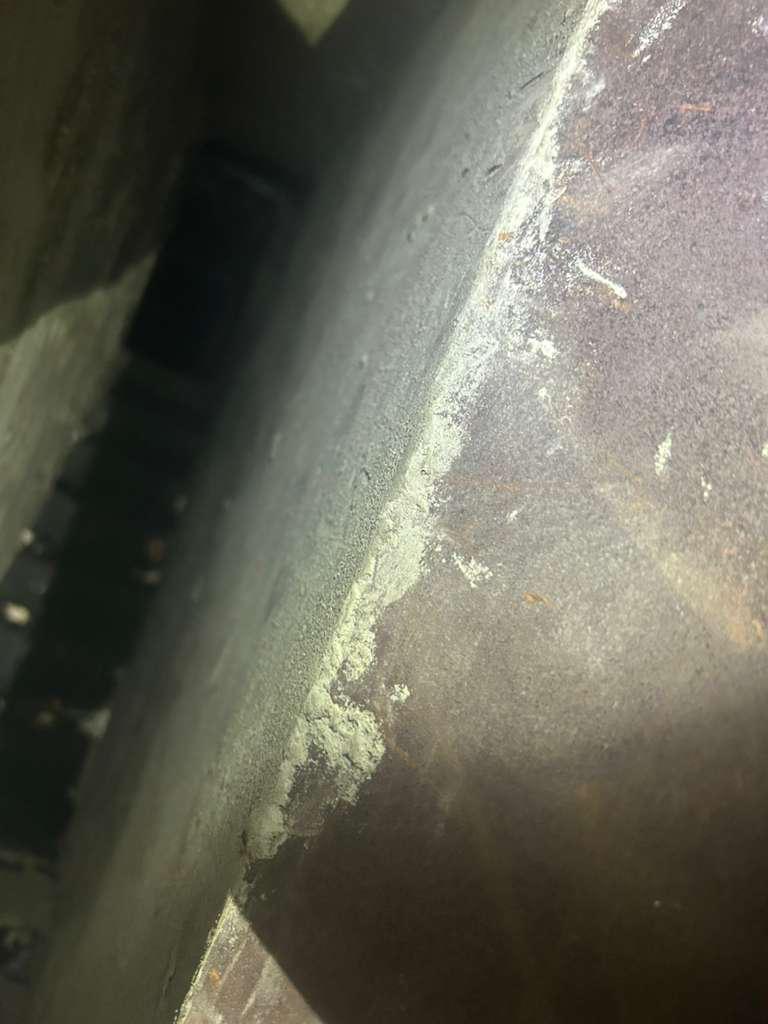
Consider the tale of the “Miller Residence,” a charming, century-old bungalow in Chicago’s Old Town Triangle. Mrs. Miller had always been diligent about her home’s upkeep, including Duct Duct Ccleaning LLC in Chicago performing annual chimney cleanings. During one such routine inspection, our certified technicians identified significant deterioration within the terracotta flue liner, unseen from the exterior. hairline cracks had expanded into larger fissures, and sections of the tile were spalling, indicating that the flue could no longer reliably contain the heat and byproducts from her gas furnace and occasional fireplace use. This wasn’t merely cosmetic; it presented a clear and present danger of carbon monoxide infiltration into her living space and a heightened risk of a chimney fire. Just as we might advise clients in Cherry Hill, NJ, to consider duct sealing for investment services to maintain overall home health and value, the Millers faced a critical decision regarding their chimney’s integrity.
Navigating Relining Solutions: Options for Your Chicago Home
When confronted with a compromised flue, homeowners have several professional relining options, each with distinct advantages and applications. At Duct Duct Ccleaning LLC, our experts meticulously assess the chimney’s condition, the fuel type, and appliance requirements to recommend the most suitable solution.
Stainless Steel Liners
- Description: These are flexible or rigid stainless steel pipes inserted into the existing chimney flue. They are available in various grades (304 for wood/oil, 316 for gas/oil, or higher alloys for multi-fuel applications).
- Pros: Excellent durability, resistant to corrosion, superior draft performance, relatively quick installation, and suitable for virtually all fuel types. They effectively create a new, perfectly round flue within the old one.
- Cons: Can reduce the original flue size, and cost can be a factor depending on length and complexity.
- Ideal for: Homes needing a durable, versatile solution that withstands Chicago’s extreme weather, especially where the existing flue has severe damage or is oversized.
Cast-in-Place Liners
- Description: This method involves inflating an insulated tube within the chimney, then pouring a cement-like refractory mix around it. Once cured, the tube is removed, leaving a seamless, smooth, and robust new flue liner.
- Pros: Creates a custom-sized, insulated, and incredibly strong flue. It improves structural integrity and seals any existing cracks in the masonry, enhancing the chimney’s stability.
- Cons: More time-consuming and labor-intensive installation process, and can be more expensive than stainless steel.
- Ideal for: Restoring historical Chicago chimneys where preserving the original flue size or adding structural support is crucial, or for highly deteriorated chimneys that require significant repair.
Clay Tile Liners (Repair/Replacement)
- Description: While less common for full relining projects due to modern alternatives, clay tiles are often repaired or replaced individually when damage is localized and limited. Full replacement of an entire clay tile flue is extensive.
- Pros: Traditional and durable if installed correctly, with good heat resistance.
- Cons: Mortar joints are susceptible to attack by corrosive flue gases and thermal shock, requiring careful sealing. Labor-intensive for full replacement.
- Ideal for: Minor repairs to relatively new, otherwise sound clay flues, or for specific historic preservation projects.
The Installation Process: What to Expect from Our Experts
Regardless of the chosen method, professional chimney relining is a precise, multi-step process. Our team at Duct Duct Ccleaning LLC, extending our expertise from Cherry Hill, NJ, ensures a thorough assessment first. This includes a comprehensive Level 2 chimney inspection in Pittsburgh, much like we perform in other cold-weather cities, utilizing specialized cameras to diagnose internal damage. Next, the flue is rigorously cleaned to remove creosote and debris. The installation of the chosen liner then proceeds with meticulous attention to detail, ensuring proper sizing, sealing, and connection to your heating appliance. This specialized work requires not just skill, but also a deep understanding of building codes and safety standards, much like the precision needed for complex tasks such as duct sealing for public affairs to ensure energy efficiency and public health.
FAQ: Your Chimney Relining Questions Answered
Here are some common questions our clients in Cherry Hill and those seeking Duct Duct Ccleaning LLC in Cleveland might ask about chimney relining:
- Q1: How do I know if my chimney needs relining?
A1: