Ensuring Your Cherry Hill Chimney’s Structural Integrity: Post-Storm Inspection Checklist
After a fierce storm barrels through Cherry Hill, rattling windows and leaving behind a mosaic of fallen leaves and scattered debris, it’s completely natural to focus on the most obvious signs of damage. Most homeowners do a quick walk-around, checking the roof, gutters, and perhaps peering into the backyard. But there’s a common mistake many make: overlooking the subtle, yet critical, impact a storm can have on their chimney’s structural integrity.
Your chimney, steadfast and tall, is often the highest point of your home, making it particularly vulnerable to high winds, heavy rain, and even lightning strikes. Ignoring potential storm damage can lead to far greater—and more expensive—problems down the line. Let’s separate the myths from the facts when it comes to post-storm chimney inspections.
Myth #1: If It Looks Okay From the Ground, It’s Fine.
Fact: Hidden Damage is Common and Dangerous.
While a quick visual check from the lawn might reveal a missing brick or a noticeable lean, much of the critical damage often goes unseen. Cherry Hill experiences its fair share of strong weather, from summer thunderstorms to intense winter Nor’easters, and these conditions can weaken mortar joints, crack flue liners, or compromise flashing long before outward signs appear. A recent industry report indicated that up to 70% of chimney damage goes unnoticed by homeowners performing only ground-level inspections. Water intrusion from even a hairline crack can lead to significant structural deterioration over time, especially with our area’s freeze-thaw cycles, which exacerbate small problems into major ones.
This is why a professional, thorough inspection by a trained eye is so important. They can spot problems like loose or deteriorating crown material, compromised flashing (the seal where your chimney meets your roof), and even damage to the interior flue liner that’s invisible without specialized tools.
Myth #2: A Small Crack Isn’t a Big Deal.
Fact: Small Cracks Can Lead to Big Problems and Safety Hazards.
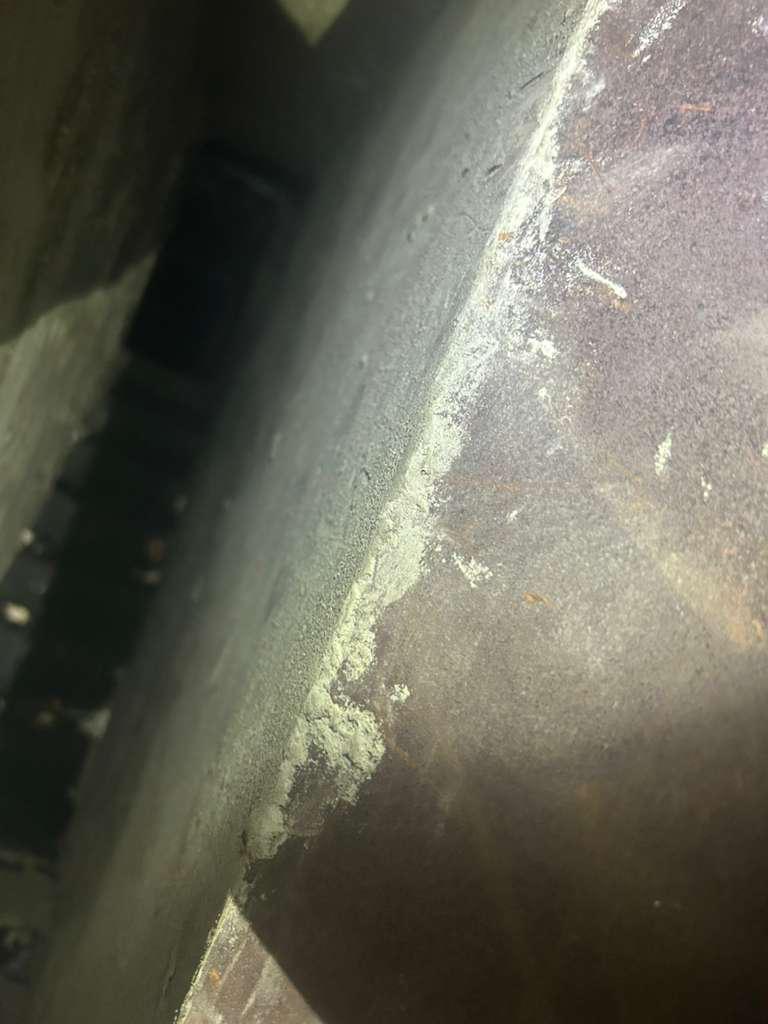
Just like a tiny crack in your car’s windshield can spread, a small crack in your chimney’s mortar or flue liner can quickly escalate. These seemingly minor issues become entry points for water, leading to further decay, efflorescence (white mineral deposits), and eventually, spalling (where the brick or stone surface crumbles off). More critically, cracks in the flue liner compromise its ability to safely vent smoke and dangerous gases, including deadly carbon monoxide, out of your home. A damaged liner can also allow creosote, a highly flammable byproduct of wood burning, to seep into the chimney’s masonry, increasing the risk of a devastating chimney fire. Ensuring the structural integrity of every component, from the chimney itself to your air ducts, contributes to a safer and more efficient home. It’s a proactive approach to maintenance, much like considering practices for commercial efficiency such as duct sealing for post offices.
Myth #3: I Can Just Do a DIY Fix After a Storm.
Fact: Professional Inspection and Repair Are Essential for Safety.
While YouTube offers tutorials for almost everything, chimney repair is definitely not a DIY project. It involves working at heights, understanding complex structural elements, and recognizing specific types of damage that require specialized repair techniques. Incorrect repairs can worsen the problem or, even worse, create new hazards. Moreover, many homeowners miss critical internal components like the flue liner, which is essential for safe operation. A certified chimney professional from Duct Duct Ccleaning LLC, serving Cherry Hill and surrounding areas like Marlton and Haddonfield, has the necessary tools, training, and experience to safely and effectively assess storm damage and perform lasting repairs. We offer comprehensive chimney services, and you can reach us at (609) 507-0043 for an expert assessment. Just as a well-sealed chimney prevents heat loss, proactive maintenance, including considerations like duct sealing for solar power systems, ensures maximum energy efficiency and safety throughout your property.
Myth #4: My Chimney Only Needs Checking If I Use My Fireplace Regularly.
Fact: All Chimneys Need Post-Storm Care.
Even if you rarely or never light a fire, your chimney still needs attention after a significant storm. An unused chimney is still exposed to the elements, and storm damage can still compromise its structure, allowing water into your home or becoming a hazard. For homes with gas furnaces or water heaters that vent through the chimney, a damaged flue can dangerously impact the appliance’s exhaust, posing a serious health risk. Don’t assume dormancy equals immunity when it comes to storm effects.
Myth #5: This Is Just About My Fireplace.
Fact: Chimney Systems Affect Your Whole Home’s Integrity.
Your chimney is more than just a pathway for fireplace smoke; it’s a critical ventilation system that often serves other appliances and directly impacts the structural envelope of your house. Damage to the chimney can lead to leaks inside your home, mold growth, and compromised indoor air quality. Similarly, the entire ventilation network, including your dryer vents, needs regular inspection and cleaning to maintain home safety and efficiency. We recognize that robust maintenance and service needs extend beyond our local Cherry Hill area. From the unique weather challenges serviced by Duct Duct Ccleaning LLC in Cleveland, to the extensive range of homes assisted by Duct Duct Cleaning LLC in Cherry Hill, NJ, and the often intense storm recovery efforts handled by Duct Duct Ccleaning LLC in Houston, the need for professional chimney care is universal.
Frequently Asked Questions (FAQ)
- Q: How soon after a storm should I have my chimney inspected?
A: Ideally, within a week or two, especially if you suspect any damage or plan to use your fireplace soon. Immediate inspection prevents small problems from escalating. - Q: What are the most common types of storm damage to chimneys?
A: Missing or cracked chimney caps, damaged flashing, loose or cracked mortar joints, spalled bricks, and damaged flue liners are very common. High winds can even dislodge entire chimney sections. - Q: Can heavy rain cause chimney damage?
A: Absolutely. Heavy, wind-driven rain can penetrate cracks in mortar, erode the chimney crown, and lead to water intrusion, which then freezes and expands, causing more severe structural issues. - Q: Will my homeowner’s insurance cover storm-related chimney damage?
A: Most standard homeowner’s insurance policies cover sudden and accidental damage from perils like wind, hail, and lightning. It’s best to check your specific policy and file a claim promptly. - Q