Why Your Chimney Damper Might Be Stuck (And How It Impacts Fireplace Efficiency in Cherry Hill)
It was a crisp late autumn evening in Cherry Hill, the kind where the air hints at the coming winter, and residents across neighborhoods like Barclay and Erlton start envisioning cozy nights by the fireplace. Sarah, a homeowner near the Cherry Hill Mall, had just bought a new bundle of logs. Eager to enjoy her first fire of the season, she opened the fireplace doors, reached for the damper handle, and pulled. Nothing. She tugged harder, feeling a stubborn resistance. The damper, usually a smooth operator, was firmly, frustratingly stuck. She poked at it, hoping for a miracle, but knew deep down something was amiss. Her immediate thought was, “Is it just old? Or is there something more serious happening?”
At Duct Duct Ccleaning LLC, we encounter scenarios like Sarah’s all too frequently. A stuck chimney damper isn’t just an inconvenience; it’s a critical issue that can severely impact your fireplace’s efficiency, compromise indoor air quality, and even pose significant safety risks. As Cherry Hill’s trusted experts in chimney services, we’re here to demystify why your damper might be stuck and explain the profound implications for your home’s warmth and well-being. Let’s separate fact from common misconceptions.
Understanding Your Chimney Damper: Myths vs. Facts
Myth #1: My Damper is Stuck Because It’s Just Old and Worn Out.
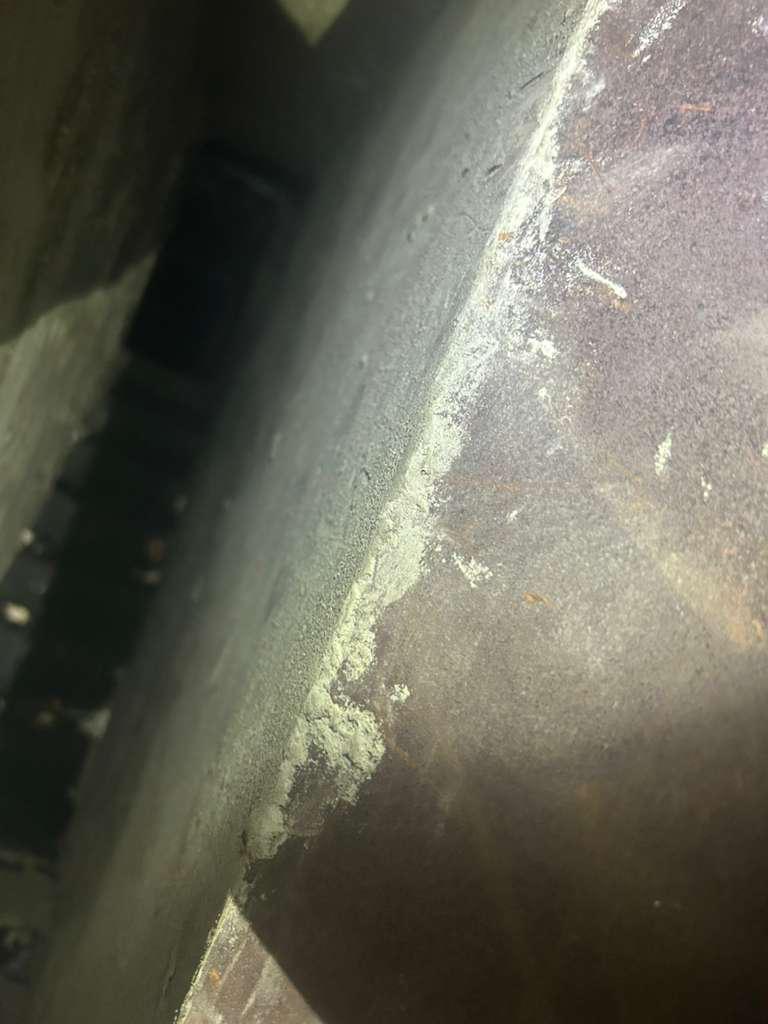
Fact: While age can certainly contribute to wear and tear, the primary culprits behind a stuck damper are usually much more insidious. The most common cause in homes throughout South Jersey is creosote buildup. This highly combustible residue forms from incomplete combustion of wood and adheres to the chimney flue and damper mechanism. Over time, it hardens and gums up the moving parts, effectively cementing the damper shut. Another major factor is rust and corrosion, especially prevalent in our humid climate, which can seize metal components. Debris, such as nesting materials from birds or squirrels, or even fallen bricks, can also obstruct the damper’s movement. It’s rarely just ‘old’; it’s typically a clear sign of neglected maintenance.
Myth #2: A Partially Open or Closed Damper Doesn’t Really Matter for Fireplace Efficiency.
Fact: This couldn’t be further from the truth. A damper that’s stuck even slightly ajar or not fully sealing creates a significant efficiency drain. If stuck open, your heated indoor air, for which you’re paying rising utility costs, constantly escapes up the chimney, turning your fireplace into an expensive ventilation system. Studies suggest a partially open damper can contribute to up to 8% heat loss from your home, making your furnace work harder. Conversely, if it’s stuck mostly closed, your fireplace won’t draw properly, leading to smoke backing up into your living space and posing a serious risk of carbon monoxide poisoning. Proper damper function is crucial for maximizing heat output and minimizing energy waste, particularly during Cherry Hill’s chilly winters. Our work on Dust Removal (Air Ducts) often reveals how interconnected home air quality and efficiency systems are.
Myth #3: I Can Just Force My Stuck Damper Open or Fix It Myself.
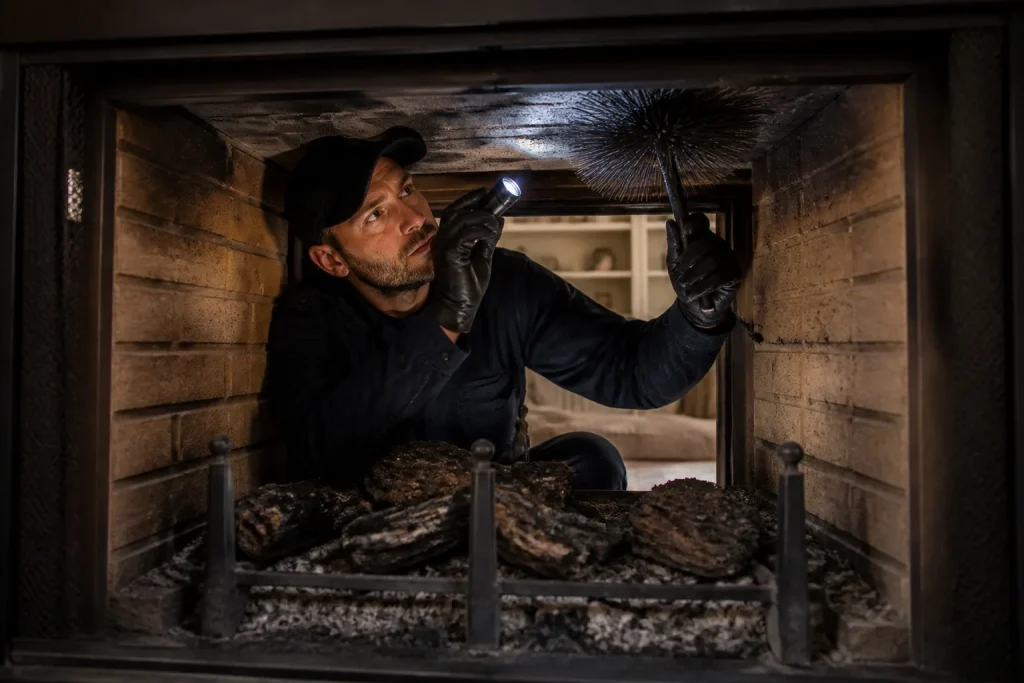
Fact: Attempting to force a stuck damper open or apply DIY fixes can lead to more severe and costly damage. The damper assembly is often brittle from heat cycling and corrosion. Forcing it can bend or break the mechanism, leading to a much more expensive repair. Moreover, if creosote is the cause, you risk inhaling hazardous soot and creosote particles, which are known carcinogens. Addressing a stuck damper requires specialized tools and expertise. Our certified chimney technicians at Duct Duct Ccleaning LLC are trained to identify the exact cause, whether it’s heavy creosote, a rusted pivot point, or an external obstruction. We use professional equipment to safely clean and repair the damper, or recommend replacement if necessary. We’ve seen similar intricate repair needs even when addressing issues like Duct Sealing for Movie Theaters, highlighting the need for precision.
Myth #4: I Only Need to Think About My Damper if It Gets Stuck.
Fact: Proactive maintenance is key to preventing a stuck damper and ensuring safe, efficient fireplace operation. The Chimney Safety Institute of America (CSIA) recommends annual chimney inspections and cleaning. This schedule helps prevent the dangerous buildup of creosote and identifies potential issues like rust or loose components before they become major problems. Regular maintenance performed by professionals like Duct Duct Ccleaning LLC ensures your damper and entire chimney system are functioning optimally, protecting your family and your home. Our expertise isn’t just about repairs; it’s about preventative care, a philosophy we share with our colleagues at Duct Duct Ccleaning LLC in Pittsburgh, Duct Duct Ccleaning LLC in Cleveland, and Duct Duct Cleaning LLC in Cherry Hill, NJ, where similar climate challenges affect chimneys.
Frequently Asked Questions About Chimney Dampers
Q1: What are the main types of chimney dampers?
A1: There are two main types: throat dampers, located just above the firebox, and top-sealing dampers, installed at the very top of the chimney flue. Throat dampers are more common in older Cherry Hill homes but are prone to heat loss. Top-sealing dampers offer a tighter seal and better energy efficiency.
Q2: How often should I have my chimney and damper inspected?
A2: The National Fire Protection Association (NFPA) Standard 211 recommends annual inspections of all chimneys, fireplaces, and vents. If you use your fireplace frequently, an annual cleaning is also strongly advised to prevent creosote buildup.
Q3: Can a stuck damper be a fire hazard?
A3: Absolutely. If a damper is stuck partially open with significant creosote buildup, that creosote could ignite, leading to a dangerous chimney fire. If stuck closed, smoke and carbon monoxide can back up into your home, posing a risk of poisoning.
Q4: What’s the difference between a chimney cleaning and an inspection?
A4: An inspection assesses the condition and integrity of your chimney system. A cleaning (or “sweep”) involves removing creosote, soot, and blockages. Often, a professional inspection by Duct Duct Ccleaning LLC will determine if a cleaning is necessary.
Q5: My chimney smells bad. Could a stuck damper be related?
A5: A lingering smoky odor can indicate a damper that isn’t sealing properly, allowing stale air or chimney smells to drift back into your home. It can also be a sign of excessive creosote, which produces a distinct odor, especially in humid conditions typical of Cherry Hill.
Don’t let a stuck chimney damper compromise your home’s comfort and safety. If you’re in Cherry Hill, NJ, and experiencing issues with your fireplace or suspect your damper isn’t working correctly, it’s time to call the professionals. Duct Duct Ccleaning LLC is equipped with the expertise and tools to diagnose and resolve any chimney-related challenge. Ensure your fireplace operates safely and efficiently all season long.
Contact Duct Duct Ccleaning LLC today at (609) 507-0043 for expert chimney services, air duct cleaning, and dryer vent cleaning. Let us bring peace of mind to your Cherry Hill home.