Adapting Historic Chimneys for Modern Heating Systems in New York City Brownstones
Imagine the scene: It’s a bitter New York City winter night, winds howling down the streets of Brooklyn Heights. You’ve just completed a long-awaited renovation in your historic brownstone, excitedly turning on your new, high-efficiency heating system. Suddenly, a strange, acrid smell permeates the air. Your carbon monoxide detector shrieks to life, jarring you into a terrifying reality. In the rush to adapt your beautiful, century-old chimney to modern venting requirements, a critical step was missed. Now, instead of warmth, you have a dangerous, potentially deadly, situation on your hands. This isn’t just a hypothetical nightmare; it’s a grim possibility that far too many brownstone owners have faced when tackling historic chimney adaptation without expert guidance. But with the right approach, these scenarios are entirely preventable, ensuring your home remains a safe and comfortable sanctuary.
The Unique Challenge of NYC Brownstones
New York City brownstones, particularly those gracing neighborhoods like the West Village, Park Slope, and Harlem, are architectural treasures. Built primarily between the mid-19th and early 20th centuries, their chimneys were designed to vent the smoky, high-temperature exhaust of coal or wood-burning fireplaces and furnaces. These large, often unlined brick flues were perfectly suited for that era’s heating demands. Fast forward to today: modern heating systems – high-efficiency gas furnaces, boilers, and water heaters – operate at significantly lower exhaust temperatures. This fundamental difference creates a complex problem: when cooler exhaust gases meet the cold masonry walls of an oversized, unlined historic flue, they condense rapidly. This acidic condensate can quickly degrade mortar, damage the chimney structure, and even seep into interior walls, leading to dangerous structural compromises and expensive repairs over time.
Beyond condensation, there’s the critical issue of proper drafting and carbon monoxide containment. An undersized or incorrectly adapted flue can lead to inadequate ventilation, potentially backdrafting hazardous fumes into living spaces. Add to this the stringent NYC building codes, which are designed for safety but demand expert navigation, and you have a project that requires far more than basic DIY enthusiasm.
The DIY Temptation and Its Hidden Dangers
The allure of a DIY project, especially in a brownstone, is strong. You love your home, you’re handy, and you want to preserve its character while enjoying modern comforts. However, adapting a historic chimney for a modern heating system is not a weekend project. It’s a highly specialized endeavor where even minor missteps can have catastrophic consequences.
Why it’s more than a simple swap
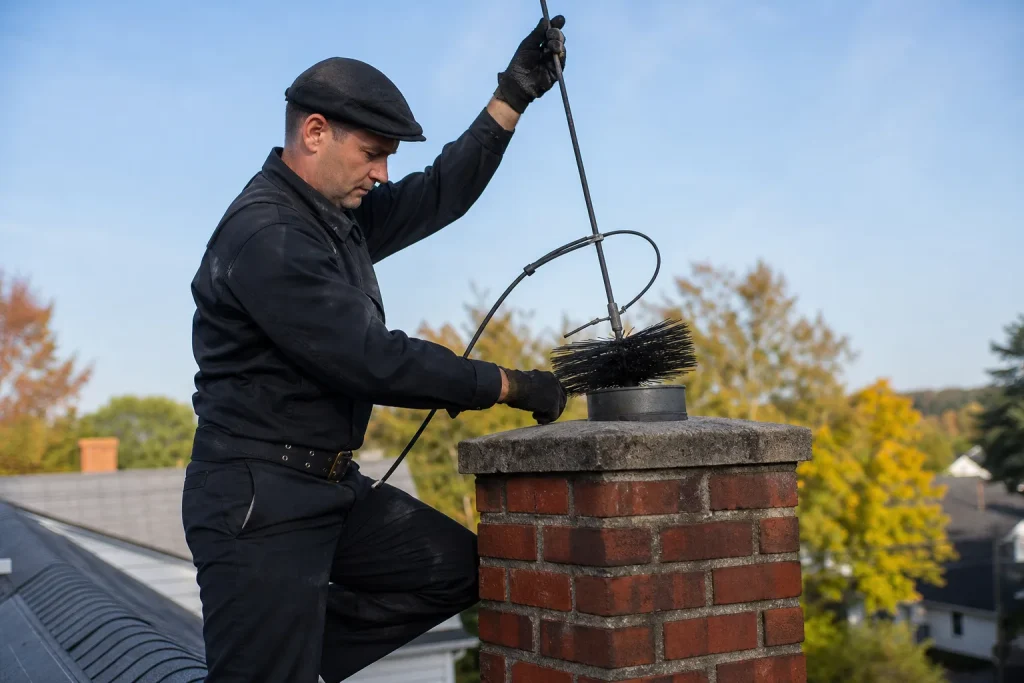
Modern heating appliances require specific flue sizing and materials to operate safely and efficiently. A single-wall metal flue intended for a traditional fireplace is entirely inadequate for a high-efficiency gas boiler. These systems often demand a properly sized, continuous, and sealed chimney cleaning New York NY liner, typically made of stainless steel, to prevent condensation and ensure proper exhaust flow. Installing such a liner into a potentially irregularly shaped historic flue without professional tools and expertise is incredibly difficult and prone to error. Considerations include proper insulation, ensuring airtight seals, and navigating bends or offsets in the chimney path. Furthermore, neglecting overall system health, including areas beyond the chimney itself, can undermine efficiency; for instance, problems that might require Zoning System Cleaning or other comprehensive assessments can compromise the entire heating environment.
The Risks You Can’t Afford
- Carbon Monoxide Poisoning: Improper venting is the leading cause of carbon monoxide leaks from heating appliances. This odorless, colorless gas is a silent killer.
- Chimney Fires: Creosote buildup from improperly vented systems or compromised flue liners can ignite, leading to devastating house fires.
- Structural Damage: Acidic condensation can dissolve mortar and brick, weakening the chimney structure itself and causing extensive internal and external damage to your brownstone.
- Voided Insurance and Regulatory Fines: Non-code-compliant work can lead to your home insurance denying claims, and NYC authorities can impose hefty fines or demand costly remediation. Even broad-based air quality concerns, like those addressed by services such as Duct Sealing for Kindergarten Services, highlight the stringent safety standards for any building component that affects indoor air quality.
The Professional Path: Ensuring Safety and Efficiency
When it comes to adapting your brownstone’s historic chimney, the choice between DIY and professional assistance isn’t just about convenience; it’s about safety, compliance, and preserving your investment. Duct Duct Ccleaning LLC, while primarily serving Cherry Hill, NJ and surrounding areas, understands the intricate challenges of historic chimney systems and applies the same rigorous standards to every job, whether it’s an old brick flue in Haddonfield or the complex vent system of an industrial facility, much like the demanding projects addressed by Duct Sealing for Jails.
What a Chimney Professional Brings to the Table
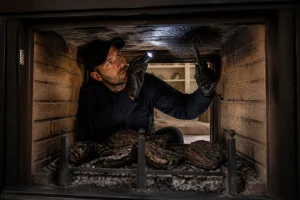
A certified chimney professional possesses specialized knowledge in both historic building structures and modern heating technologies. They can accurately assess your chimney’s current condition, identify potential structural weaknesses, and determine the optimal venting solution for your specific heating appliance. This typically involves a detailed Level 2 inspection with a camera, a thorough cleaning, and then the precise installation of an appropriate chimney liner. The selection of the correct liner (e.g., rigid or flexible stainless steel, cast-in-place) and its proper insulation are critical for maximizing efficiency and preventing condensation. Expertise is not just about installation, but also ensuring that the entire system is designed to meet strict local and national safety codes, mitigating the kinds of risks that could haunt homeowners in bustling urban environments.
The Duct Duct Ccleaning LLC Difference
Our commitment at Duct Duct Ccleaning LLC to comprehensive chimney cleaning Pittsburgh PA services means we don’t just clean; we evaluate, advise, and provide solutions that stand the test of time. While your brownstone may be in NYC, our team brings a wealth of experience in understanding complex flue systems, historical construction quirks, and the necessary adaptations