The dangers of creosote buildup in your Pittsburgh fireplace and how professional cleaning prevents chimney fires.
The Fiery Threat: Understanding Creosote’s Origins
In the chronicles of human ingenuity, few inventions have offered as much comfort and utility as the fireplace. Since ancient times, hearths have been the epicenter of warmth, cooking, and community, evolving from simple open fires to complex masonry structures designed to safely vent smoke. However, with the benefits of a roaring fire comes a lurking danger, often unseen until it’s too late: creosote. To understand this hazard, we must delve into its very origin.
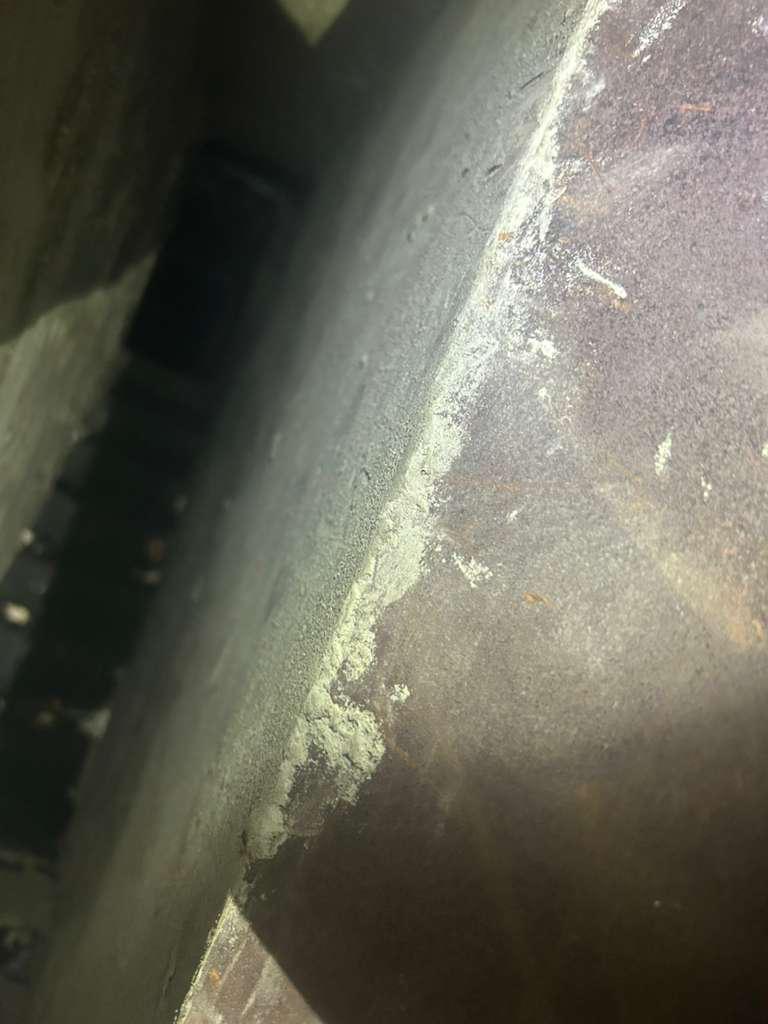
Creosote is a highly combustible byproduct that forms when wood combustion is incomplete. When you burn wood in your Pittsburgh fireplace, the smoke, containing unburnt particles, volatile gases, and water vapor, travels up the relatively cooler chimney flue. As these hot gases ascend, they condense on the cooler surfaces of the chimney walls, much like moisture condenses on a cold glass. This condensation forms a tar-like, sticky residue – that’s creosote. The amount and type of creosote depend heavily on factors such as wood type, fire temperature, flue design, and chimney efficiency. It’s a chemical dance between heat, smoke, and surface temperature, leading to a silent accumulation that can turn your cozy hearth into a significant fire hazard.
The Case of Creosote Buildup in Pittsburgh Homes
Pittsburgh’s distinct charm lies in its rich history, often reflected in its beautiful, older homes found in neighborhoods like Squirrel Hill, Mount Washington, and Shadyside. Many of these residences boast original fireplaces, which, while aesthetically pleasing, can be particularly susceptible to creosote buildup due to their age, design, and often infrequent or improper maintenance over decades. The long, cold Pittsburgh winters also mean that fireplaces and wood-burning stoves are frequently used, accelerating the rate of creosote accumulation.
There are typically three forms, or “degrees,” of creosote:
- First-degree creosote: This is a sooty residue, easily removed with a chimney brush. It indicates a relatively hot, fast-burning fire.
- Second-degree creosote: A flaky, tar-like substance, harder to remove and formed by cooler, slower-burning fires.
- Third-degree creosote: A glazed, shiny, and extremely hard layer that resembles hardened tar. This is the most dangerous form, incredibly difficult to remove, and represents a severe fire risk. It signifies very inefficient burning, often due to restricted airflow or unseasoned wood.
Understanding the severity is crucial. According to the Chimney Safety Institute of America (CSIA), over 25,000 residential chimney fires occur annually in the United States, leading to millions in property damage and tragic loss of life. Many of these fires are directly attributable to creosote ignition. While Duct Duct Ccleaning LLC primarily serves the Cherry Hill, NJ area, we understand that homeowners everywhere, from Duct Duct Ccleaning LLC in Pittsburgh to Duct Duct Ccleaning LLC in Dallas, face these critical chimney safety challenges. Proactive measures are the cornerstone of fire prevention.
The Catastrophic Consequences: When Creosote Ignites
When creosote buildup reaches a critical level and is exposed to sufficiently high temperatures – often from a stray ember or an unusually hot fire – it can ignite. A chimney fire is a terrifying event. It begins silently, often roaring violently within the flue, producing a distinct crackling or popping sound. Flames and dense smoke may escape from the top of the chimney, and sparks can ignite nearby rooftops or foliage. Inside the home, the superheated chimney can radiate intense heat, igniting adjacent combustible materials like framing, insulation, or wallpaper. This can lead to a devastating house fire that spreads rapidly.
Beyond the immediate fire risk, a chimney fire can cause significant structural damage to the chimney itself. The intense heat, often reaching thousands of degrees Fahrenheit, can crack flue liners, damage masonry, and even cause the chimney to collapse. Such damage compromises the chimney’s integrity, making it unsafe for future use and requiring costly repairs. Signs of a previous chimney fire might include warped metal components, cracked or crumbled flue tiles, or smoke escaping into your home, reminding us why consistent vigilance and maintenance are paramount, whether you’re living in Pittsburgh or dealing with similar concerns in Duct Duct Ccleaning LLC in New York.
The Professional Solution: How Duct Duct Ccleaning LLC Prevents Disaster
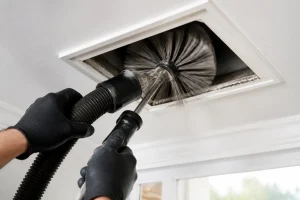
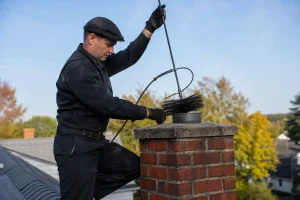
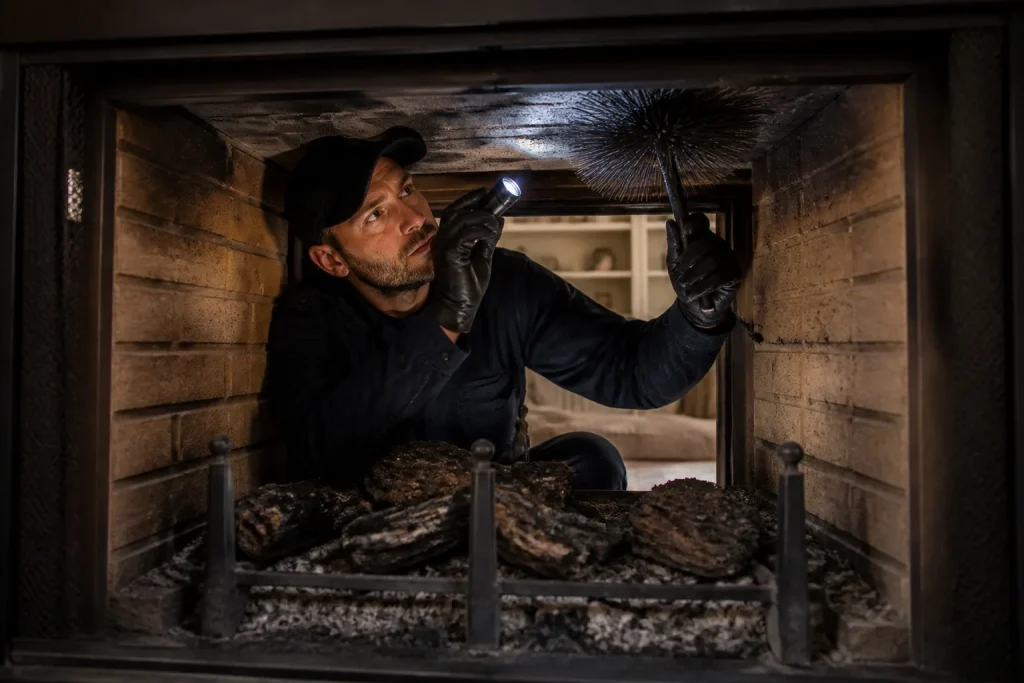
The good news is that chimney fires caused by creosote are almost entirely preventable through professional chimney cleaning and inspection. Duct Duct Ccleaning LLC specializes in comprehensive chimney services designed to mitigate these risks. Our certified technicians employ a meticulous approach, starting with a thorough inspection to assess the condition of your chimney and the extent of creosote buildup. We use specialized brushes, rods, and high-powered vacuums to effectively remove all types of creosote, from light soot to glazed deposits, from your flue liners and smoke chamber.
The National Fire Protection Association (NFPA) Standard 211 recommends that chimneys be inspected annually and cleaned as needed. This annual inspection helps identify not only creosote but also other potential issues like obstructions, cracks, or loose components that could pose a safety hazard. Entrusting your chimney care to professionals like Duct Duct Ccleaning LLC, even if you are outside our Cherry Hill, NJ service area, ensures expert attention to these critical details. For residents in our service region needing top-tier chimney care, call us at (609) 507-0043.
Safeguarding Your Home: Beyond Creosote
While creosote is a primary concern, comprehensive chimney safety extends to other vital aspects. Ensuring your flue liner is intact and free of cracks is essential, as it provides a critical barrier against heat transfer to combustible materials in your home’s structure. A proper chimney cap helps prevent animal intrusion and keeps out rain and debris, which can also contribute to blockages. Beyond the chimney, maintaining the overall health of your home’s air systems is crucial. Just as a clean chimney is vital for fire safety, maintaining your home’s ventilation and air quality contributes to overall health, from seeking Duct Sealing for Asthma Sufferer Relief to considering efficient air systems in unique settings, like Duct Sealing for Zoos. All these elements collectively contribute to a safer, more efficient living environment.
Frequently Asked Questions (FAQ)
Q1: How often should I have my chimney cleaned?
A1: The National Fire Protection Association (NFPA) recommends annual inspections. Cleaning should be performed as needed, based on the amount of creosote buildup, which varies with usage and burning habits. If you use your fireplace frequently, you might need cleaning more often.
Q2: Can I remove creosote myself?
A2: While superficial soot can sometimes be brushed away, stubborn and glazed creosote requires specialized tools and expertise. Attempting to remove it yourself can be ineffective or even dangerous, potentially damaging the flue or leaving behind hazardous residues. Professional cleaners have the right equipment and training.