The Overlooked Smoke Chamber: Why Professional Cleaning is Crucial for Fireplace Safety in Philadelphia
Did you know that nestled just above your fireplace, out of sight and often out of mind, is a critical component responsible for safely ushering smoke up and out of your home? It’s called the smoke chamber, and while it might not get the same attention as your mantelpiece or firebox, its proper functioning (and cleanliness!) is absolutely non-negotiable for fireplace safety in historic homes and modern residences across Philadelphia.
Here at Duct Duct Ccleaning LLC, we’ve seen our share of quirky chimneys, from the stately brownstones of Rittenhouse Square to the cozy rowhouses of Manayunk. And in almost every case, when a chimney problem arises, the smoke chamber is often a prime suspect. Think of this as your ultimate guide to understanding this unsung hero of your chimney system and why professional cleaning is less of a luxury and more of a necessity.
What Even IS a Smoke Chamber? Your Chimney’s Hidden Funnel
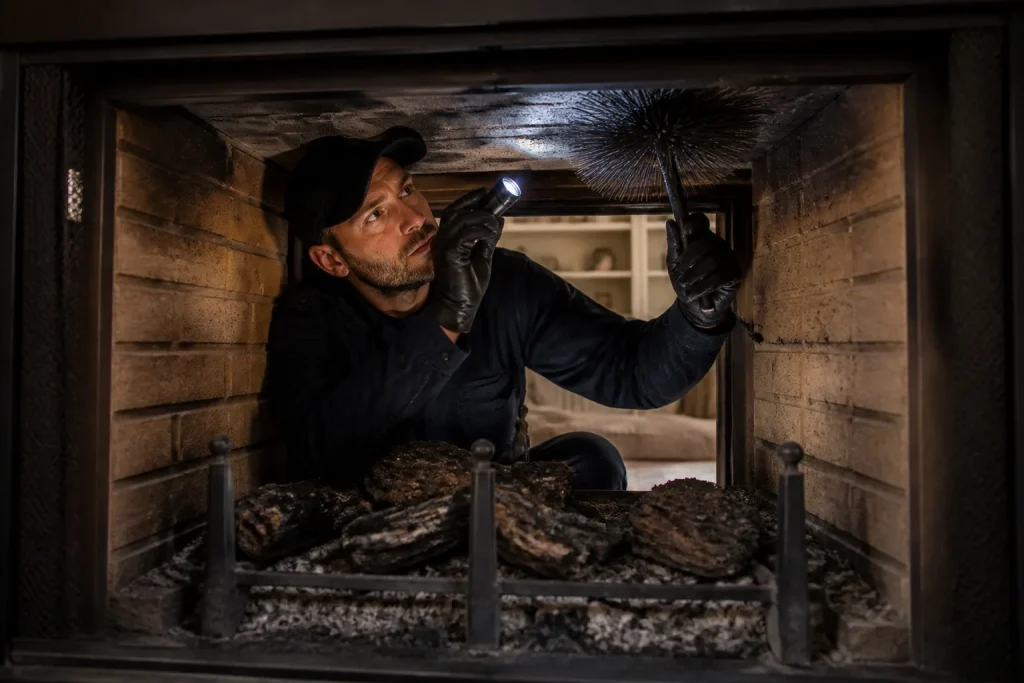
Imagine your fireplace as a grand stage for a roaring fire. Above that stage, just before the flue liner begins its upward journey to the sky, there’s a sloped, funnel-shaped area. That, my friends, is the smoke chamber. Its job? To smoothly transition the smoke and combustion gases from the wide opening of the firebox into the much narrower chimney flue. It’s essentially a traffic controller for smoke, directing it efficiently upwards.
Without a properly functioning and clean smoke chamber, you’d have a much harder time getting smoke to behave. Instead of a swift, clean draw, you’d likely end up with a smoky living room, making your relaxing evening by the fire feel more like a camping trip gone wrong. For those chilly Philly winters, you want every bit of heat where it belongs and every wisp of smoke out of your home.
The Not-So-Hidden Dangers Lurking Above Your Hearth
Creosote: The Sticky, Flammable Culprit
Over time, as wood burns, it releases uncombusted gases, smoke, and vapors. When these hit the cooler surfaces of your chimney’s interior, they condense, forming a nasty, tar-like substance called creosote. And guess where it loves to build up? Yep, the smoke chamber. Because of its unique shape and position, it’s a prime spot for creosote accumulation.
Why is creosote so dangerous? Simple: it’s highly flammable. The National Fire Protection Association (NFPA) reports that over 20,000 chimney fires occur annually in the U.S., many directly linked to creosote buildup. A tiny spark from your fireplace could ignite this buildup, leading to a roaring chimney fire that can quickly spread to your home. This is not a situation you want to experience, especially not in a densely populated area like Cherry Hill, NJ, or the historic parts of Philadelphia where homes are often built close together.
Blockages and Carbon Monoxide Risks
Beyond fire, a neglected smoke chamber can lead to dangerous blockages. Creosote, soot, and even debris like bird nests or fallen leaves can obstruct the chamber. When this happens, smoke can’t properly exit, leading to poor draft and, more critically, the possibility of dangerous carbon monoxide (CO) backing up into your living space. CO is an invisible, odorless killer, and ensuring your chimney, including the smoke chamber, is clear is a vital step in protecting your family.
Beyond Fire: Efficiency and Air Quality
A dirty or improperly constructed smoke chamber also severely impacts your fireplace’s efficiency. When the smoke can’t flow freely, your fire struggles for oxygen, burns less efficiently, and produces even more creosote. This creates a vicious cycle. You burn more wood for less heat, and your energy bills go up. Nobody wants to pay more to be less warm during a brutal Northeast winter!
Moreover, poor ventilation from a blocked smoke chamber can degrade your indoor air quality, contributing to respiratory issues for those sensitive to smoke and soot particles. Our experts at Duct Duct Ccleaning LLC don’t just clear pathways; we help restore optimal function for cleaner, safer indoor air.
When to Call the Pros: Recognizing the Signs
So, how do you know if your smoke chamber is overdue for some TLC? While a visual inspection requires specialized equipment, here are some tell-tale signs that it’s time to call in the professionals for chimney cleaning:
- Smoky Living Room: If your fireplace is pushing smoke back into your home, rather than drawing it up, your smoke chamber or flue might be blocked.
- Unusual Odors: A strong, smoky or tar-like smell, especially when the fireplace isn’t in use, can indicate heavy creosote buildup.
- Poor Draft: Your fire struggles to get going or burns sluggishly, even with ample kindling and dry wood.
- Visible Soot/Creosote: While you might not see inside the smoke chamber, excessive buildup in the firebox or on the damper is a strong indicator of issues further up.
- Annual Inspection: Even without obvious symptoms, the Chimney Safety Institute of America (CSIA) recommends annual chimney inspections. Our comprehensive chimney services in Philadelphia include a thorough look at your smoke chamber.
Your Philadelphia Fireplace Pal: Duct Duct Ccleaning LLC
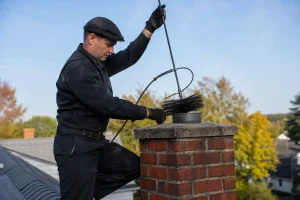
Don’t let an overlooked smoke chamber turn your cozy fireplace into a fire hazard. Our team at Duct Duct Ccleaning LLC specializes in comprehensive chimney care, ensuring every part of your system, especially the often-forgotten smoke chamber, is clean and safe. We’re equipped with the right tools and expertise to tackle even the trickiest creosote buildup, providing peace of mind to homeowners throughout Cherry Hill and beyond, including our valued clients at Duct Duct Ccleaning LLC in Philadelphia. We also extend our specialized services to other communities, providing comprehensive care at locations like D