Air Duct Cleaning for Achieving LEED Certification in Commercial Buildings in Pittsburgh
Did you know that commercial buildings can consume up to 30% more energy than necessary due to inefficient HVAC systems, a significant portion of which is attributed to dirty air ducts? For forward-thinking developers and building managers in dynamic cities like Pittsburgh, pursuing LEED (Leadership in Energy and Environmental Design) certification isn’t just a trend; it’s a strategic imperative for sustainability, tenant well-being, and long-term asset value. However, the path to LEED can often feel daunting, a complex puzzle of points and requirements.
At Duct Duct Ccleaning LLC, we understand these concerns deeply. You’re striving for excellence, and every decision, from material sourcing to operational efficiency, plays a critical role. We’re here to share how a foundational element – professional air duct cleaning – became an indispensable part of one Pittsburgh commercial building’s successful journey to LEED certification.
The Challenge: Navigating LEED in Pittsburgh’s Urban Landscape
Consider the story of a new commercial development in Pittsburgh’s bustling Strip District. The project aimed for LEED Gold, a lofty goal demanding meticulous attention to indoor environmental quality, energy efficiency, and sustainable operations. Pittsburgh’s unique climate, with its humid summers and harsh winters, presents particular challenges for maintaining optimal indoor air quality (IAQ) and HVAC system performance. Airborne pollutants, pollen, and even remnants from the city’s industrial past can easily accumulate within ductwork, compromising air quality and straining systems.
Project Catalyst: A Vision for Sustainability
The building management team, keen to differentiate their property in a competitive market, recognized that superior IAQ would be a key selling point for prospective tenants. They knew that achieving LEED points for IAQ wasn’t just about filters; it required a holistic approach to the building’s respiratory system – its air ducts. Their initial IAQ assessments, even in a brand-new structure, revealed typical construction dust, debris, and potential microbial growth indicators due to initial environmental conditions, threatening their LEED aspirations.
The Solution: Strategic Air Duct Cleaning for IAQ Points
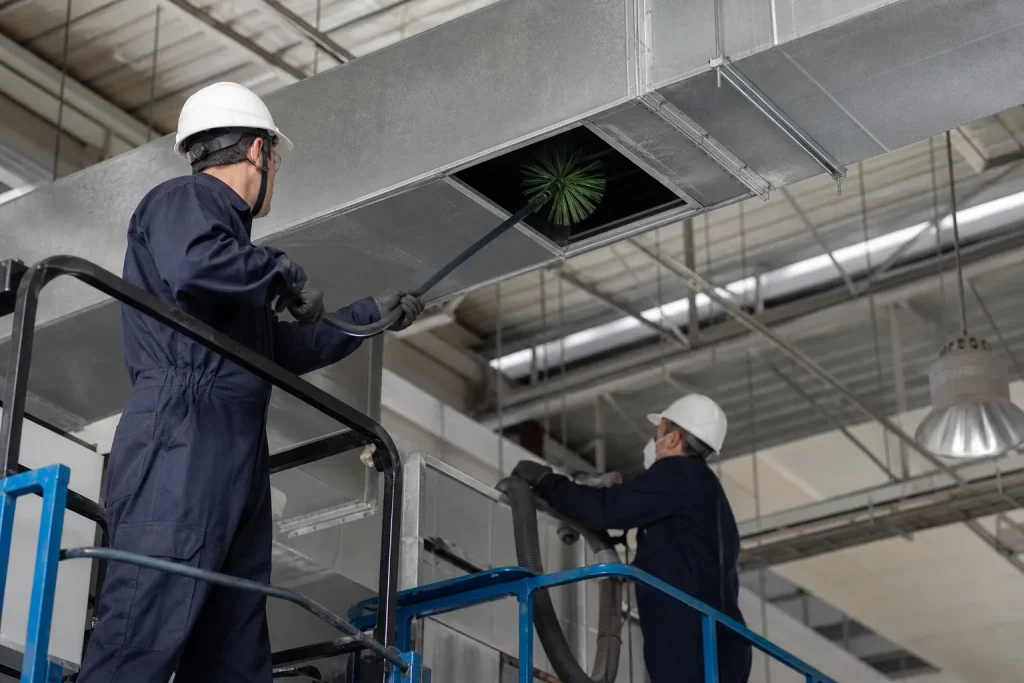
This is where expert air duct cleaning became a critical component. The team engaged a specialized service, akin to the detailed and thorough work performed by Duct Duct Ccleaning LLC for our clients in Cherry Hill, NJ. The process began with a comprehensive inspection of the entire ductwork system, identifying areas of concern and establishing a baseline for cleanliness. Utilizing advanced negative pressure systems and high-efficiency particulate air (HEPA) filtered vacuums, technicians meticulously removed years of accumulated dust, allergens, and other contaminants from every corner of the ductwork.
Beyond Dust: The Link to Energy Efficiency
The impact extended beyond just air quality. According to the EPA, cleaning dirty coils can reduce energy consumption by as much as 30%. Clogged ducts and dirty coils force HVAC systems to work harder, consuming more electricity and increasing operational costs. By restoring the ductwork to optimal cleanliness, the building’s HVAC system could operate more efficiently, contributing valuable points towards the “Energy and Atmosphere” category of LEED. This proactive measure not only secured IAQ points but also strengthened the building’s overall energy performance, proving that investing in proper bacterial testing and cleaning protocols yields multifaceted benefits.
The Local Impact: Pittsburgh’s Climate & Indoor Air
For a city like Pittsburgh, where temperature fluctuations are common and humidity can be a factor, preventing moisture-related issues within ductwork is paramount. A clean duct system is less prone to mold and mildew growth, which are significant detractors from IAQ and can complicate LEED certification. This also helped to reduce the need for excessive use of humidifiers or dehumidifiers, further conserving energy. Understanding the unique climatic challenges, and implementing strategies like exploring information on Duct Sealing for Currency Exchange principles to minimize leakage, became crucial for long-term building health. Our services, which you can learn more about by contacting Duct Duct Ccleaning LLC in Pittsburgh, ensure your system breathes easy.
Measurable Success: Achieving LEED Certification
With clean air ducts supporting superior indoor air quality and contributing to enhanced HVAC efficiency, the Pittsburgh commercial building successfully secured the necessary points for LEED Gold certification. Tenants reported higher satisfaction with the indoor environment, and the building management noted measurable improvements in energy consumption data. This case demonstrates that professional air duct cleaning isn’t merely a maintenance task; it’s a strategic investment that directly contributes to achieving ambitious sustainability goals and improving tenant health and productivity. The meticulous attention to ductwork, including considering strategies often discussed in the context of Duct Sealing for Pest Control Services for complete enclosure integrity, ensured a robust and healthy internal environment.
While our primary focus is always on delivering exceptional service in Cherry Hill, NJ, the principles and benefits of professional air duct cleaning are universal. We uphold these high standards whether assisting local businesses or sharing insights that resonate with sustainability efforts across the country, from Duct Duct Ccleaning LLC in Chicago to Duct Duct Ccleaning LLC in Boston. You can always reach us at (609) 507-0043.
Frequently Asked Questions (FAQ)
Q1: How does air duct cleaning contribute to LEED certification?
A1: Professional air duct cleaning directly contributes to several LEED categories, primarily Indoor Environmental Quality (IEQ) by improving air quality and reducing contaminants, and Energy and Atmosphere (EA) by enhancing HVAC system efficiency, leading to lower energy consumption.
Q2: Is air duct cleaning required for LEED?
A2: While not a standalone mandatory requirement, it is often a critical strategy to achieve specific points within the IEQ and EA categories. Clean ducts significantly improve the chances of meeting performance metrics related to air quality and energy efficiency.
Q3: How often should commercial building air ducts be cleaned for LEED compliance?
A3: The frequency depends on factors like building age, occupancy, climate, and local air quality. For LEED certification, maintaining a regular cleaning schedule (often every 3-5 years, or more frequently if there are specific triggers like renovations or water damage) is recommended to sustain IAQ and energy performance goals.
Q4: What types of contaminants are removed during air duct cleaning?
A4: Professional air duct cleaning removes dust, pollen, pet dander, mold spores, bacteria, fungi, volatile organic compounds (VOCs), and other airborne pollutants that accumulate over time, significantly improving indoor air quality.