Squirrels in the Chimney? How to Prevent Animal Entry and Protect Your Cherry Hill Home
Did you know that each year, thousands of Cherry Hill homeowners face the unsettling surprise of unwelcome animal guests in their chimneys? Squirrels, raccoons, birds, and even bats often seek refuge or nesting sites in these seemingly secure vertical tunnels, especially as temperatures fluctuate in our New Jersey climate. Beyond the startling sounds and potential for structural damage, these furry (or feathered) inhabitants pose serious health and fire hazards. To shed light on this common issue, we sat down with John, a seasoned expert from Duct Duct Ccleaning LLC, a leading provider of chimney services and air duct cleaning in the Cherry Hill area. Our conversation will explore the risks, prevention strategies, and professional solutions available.
Understanding the Threat: Why Animals Choose Your Chimney
Interviewer: John, it seems like animal intrusions in chimneys are a surprisingly frequent problem. What makes a chimney so attractive to local wildlife, especially squirrels?
John (Duct Duct Ccleaning LLC): It’s an excellent question, and unfortunately, the answer is quite straightforward. For many animals, particularly squirrels which are abundant in Cherry Hill’s tree-lined neighborhoods, a chimney represents a dark, sheltered, and often warm cavity – essentially, a perfect den or nesting site. They’re looking for protection from predators, harsh weather – like our cold New Jersey winters or hot summers – and a safe place to raise their young. The vertical structure provides a challenging entry point for predators, making it feel secure. We see a significant spike in calls during spring when animals are nesting, and again in late fall when they’re seeking winter shelter.
The Dangers of Unwanted Guests
Interviewer: What are the specific dangers homeowners should be aware of if they suspect an animal has entered their chimney?
John: The risks are multi-faceted and shouldn’t be underestimated. Firstly, there’s the risk of fire. Animals often bring nesting materials like twigs, leaves, and insulation into the flue. These materials are highly combustible and can easily ignite, leading to a dangerous chimney fire, especially if your fireplace is used regularly. Secondly, blockages can occur. A buildup of nests or even a deceased animal can obstruct the flue, preventing toxic combustion gases, like carbon monoxide, from safely exiting your home. This can lead to silent, odorless poisoning. We’ve seen tragic cases where families in areas like Cherry Hill were exposed to dangerous levels of CO due to blocked flues. Thirdly, there’s property damage. Animals can scratch or chew on the chimney liner, dampers, or even masonry, leading to costly repairs. Beyond that, parasites, droppings, and odors can permeate your home, impacting indoor air quality. Ensuring your chimney is clear is just as important as proper Duct Sealing for Extermination Services to keep other pests out of your ventilation systems.
Prevention is Key: Safeguarding Your Chimney
Interviewer: So, prevention is paramount. What are the most effective strategies for homeowners to keep animals out of their chimneys?
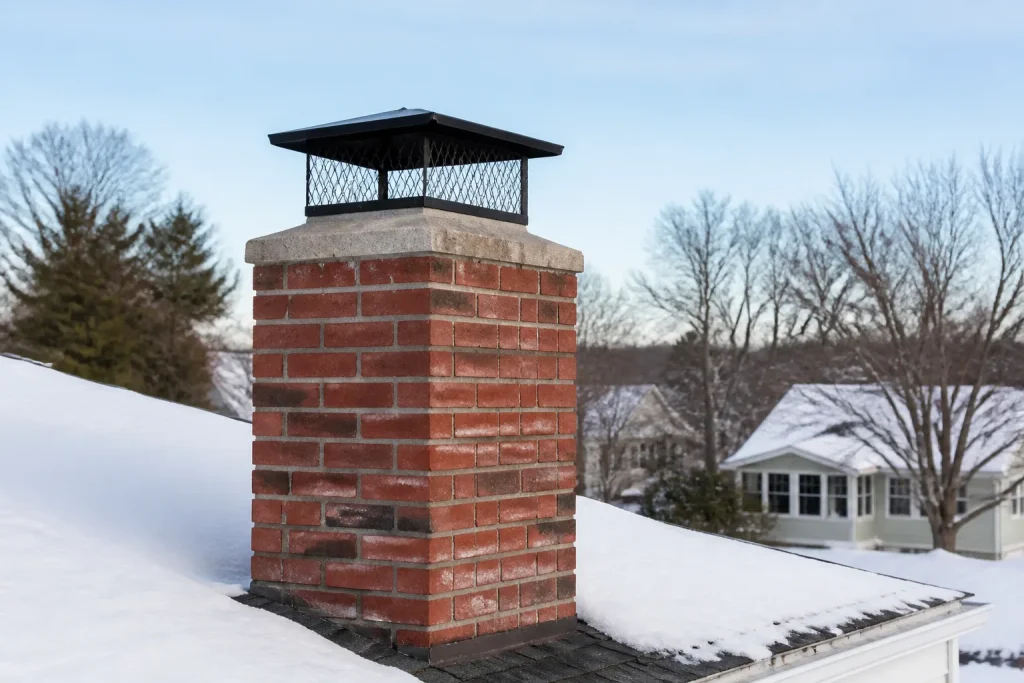
John: Absolutely. Prevention is far easier and less costly than removal and repair. The single most important step is installing a sturdy, professional-grade chimney cap. A proper chimney cap covers the opening of the flue, preventing animals from entering while still allowing smoke and gases to escape. It also protects your chimney from rain and snow, which extends its lifespan. It’s an essential, relatively inexpensive investment. For larger, more complex systems or commercial properties, the insights gained from advanced approaches like Duct Sealing for Machine Learning can sometimes even inform the precision of environmental controls, but for residential chimneys, a quality cap is king.
Beyond the Chimney Cap: Additional Measures
Interviewer: Are there any other preventative measures homeowners can take?
John: Yes. Regular chimney inspections and cleaning are crucial. During an inspection, our technicians from Duct Duct Ccleaning LLC will check for any vulnerabilities, cracks, or gaps in your chimney’s structure that could serve as entry points. We’ll also ensure your chimney cap is intact and properly secured. Cleaning removes creosote and debris, which not only reduces fire risk but also eliminates potential nesting materials that might attract animals. Keeping trees trimmed around your home, especially branches overhanging your roof, also limits easy access for squirrels and other climbing creatures. A professional chimney sweep is a foundational step, whether you’re in Cherry Hill, or looking for Duct Duct Ccleaning LLC in Pittsburgh, or even Duct Duct Ccleaning LLC in Detroit.
What to Do if You Suspect an Intrusion
Interviewer: If a homeowner in Cherry Hill hears scratching, chirping, or other noises coming from their chimney, what’s their immediate next step?
John: First and foremost, do NOT attempt to remove the animal yourself. This can be dangerous both for you and the animal, and you could unintentionally cause more damage or stress the creature, making it harder to remove. Do not light a fire in the fireplace, as this could harm the animal, push it further down into your home, or create a severe fire hazard with nesting materials. Your best course of action is to immediately call professionals like Duct Duct Ccleaning LLC at (609) 507-0043. We have the specialized equipment and expertise to safely and humanely remove the animal, thoroughly clean the chimney, repair any damage, and install or reinforce a chimney cap to prevent future intrusions.
FAQ: Animal Entry in Chimneys
Q1: Can squirrels or other animals get into my home through the chimney?
A: Yes, if the damper is open or damaged, or if they manage to navigate past it, animals can absolutely fall or crawl down into your fireplace and potentially enter your living space. This is a significant concern during nesting season.
Q2: How often should I have my chimney inspected?
A: The Chimney Safety Institute of America (CSIA) recommends annual chimney inspections by a qualified professional. If you use your fireplace frequently, an annual cleaning might also be necessary.
Q3: Is a chimney cap really that important?
A: Absolutely. A durable, properly installed chimney cap is your primary defense against animal entry, rain, and debris. It’s the most crucial preventative measure a homeowner can take.
Q4: What kind of animals commonly get into chimneys in Cherry Hill?
A: In our Cherry Hill service area, squirrels are the most common culprits, followed by raccoons, various bird species (especially chimney swifts), and sometimes bats. Their attraction to enclosed spaces makes chimneys ideal targets.
Q5: Can I remove a dead animal from my chimney myself?
A: We strongly advise against it. Dead animals can carry diseases, and their removal often requires specialized tools and protective gear to ensure safety and hygiene. A professional service like Duct Duct Ccleaning LLC will handle it safely and efficiently, followed by a thorough cleaning.
Q6: What other services help prevent animal entry or related issues?
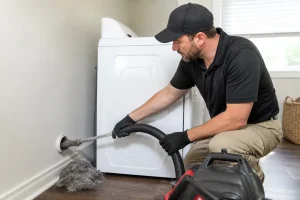
A: Beyond chimney services, regular dryer vent cleaning helps prevent blockages that can also attract small rodents or birds looking for nesting material. Keeping these vents clear is essential for fire safety and optimal appliance function.
Protect Your Cherry Hill Home with Duct Duct Ccleaning LLC
Don’t let uninvited animal guests compromise the safety and integrity of your Cherry Hill home. Protecting your chimney and ventilation systems is a vital aspect of home maintenance. Whether you need a chimney inspection, cleaning, animal removal, chimney cap installation, or professional dryer vent cleaning, the experts at Duct Duct Ccleaning LLC are here to provide reliable, authoritative service. Call us today at (609) 507-0043 to schedule your appointment and ensure your home remains safe, clean, and animal-free.